OBR Chair Falls on Junior's Sword
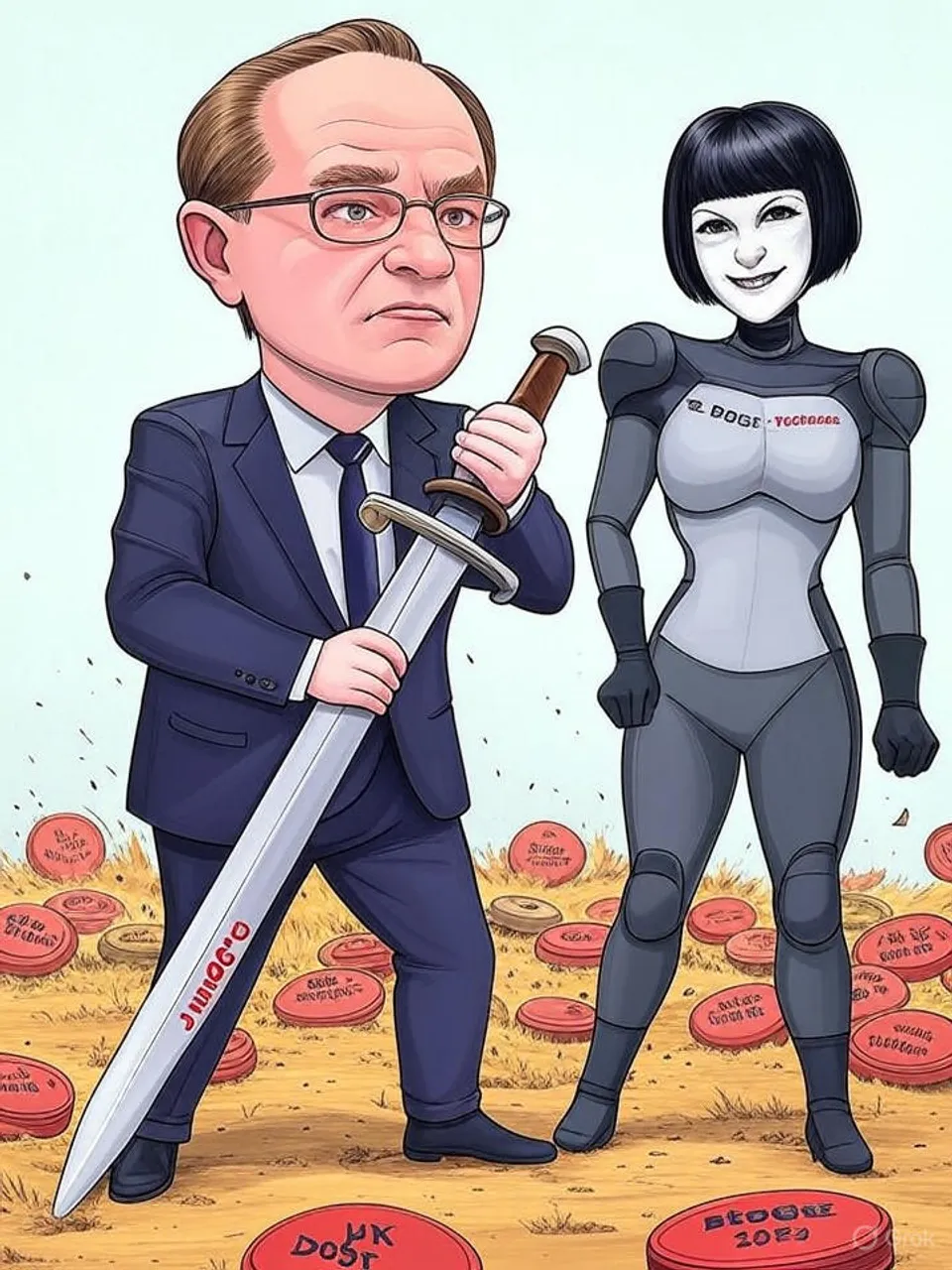
Richard Hughes exits after leak, as Reeves faces replacement pressures and remit tweaks
Richard Hughes's resignation over a staff leak highlights mounting political assaults on OBR independence. Reeves's successor pick and forecast changes risk market backlash and deeper fiscal opacity.
Richard Hughes resigned as Office for Budget Responsibility chair after a junior staffer leaked Budget details 37 seconds early. He accepted full responsibility for the procedural breach. Markets now scrutinise Chancellor Rachel Reeves’s choice of replacement.
Hughes served five chancellors over five years. He defended OBR independence against pressures from Liz Truss’s mini-budget fallout and recent left-right critiques. Labour’s Budget amplified these strains.
Tension peaked when Hughes refused to score government “pro-growth” policies. None met the OBR’s 0.1% GDP impact threshold for recognition. Cabinet ministers baulked at his costing of surging special educational needs expenses, now projected to balloon.
Reeves announced structural shifts. The government will respond to OBR forecasts only once yearly, at Budget time. Spring forecasts become mere “health checks” without policy obligations.
This dilutes scrutiny. Chancellors retain control over £1.5 trillion in revenue and spending. OBR produces baselines and costings, but governments can alter targets unchecked.
Replacement Risks
Markets demand a “fiercely independent bean counter.” Political voices push for pliancy. Any hint of interference risks spiking UK borrowing costs.
Hughes’s exit cancels his Treasury Select Committee appearance. He takes knowledge of fiscal claim timelines into gardening leave. Details on pre-Budget forecast evolution remain half-buried.
OBR scored AI-driven growth by decade’s end. It flagged productivity offsets Reeves downplayed. These interventions irked ministers, underscoring the watchdog’s unwanted influence.
Independence endures in statute, not practice. Parliament grants powers; governments test limits. Hughes noted chancellors change rules when inconvenient.
Recurring Fiscal Fragility
UK fiscal bodies face repeated siege. Truss era exposed market backlash to unscrutinised plans. Now Labour tweaks OBR remit amid £26 billion tax hikes and invented shortfalls.
Junior errors claim senior scalps, masking systemic gripes. Watchdogs score realities governments evade. Replacement hunts invite capture.
Citizens pay via opacity. Borrowing costs embed in mortgages and taxes. Without robust oversight, fiscal targets shift like sand.
This resignation exposes the OBR’s brittle perch. Independent analysis clashes with electoral cycles and ministerial egos. Britain’s fiscal guard weakens, entrenching debt spirals and economic stagnation across governments.
Commentary based on OBR head's resignation leaves potential landmines for Reeves at BBC News.