One in Four Police Forces Lacks Sexual Offence Policies
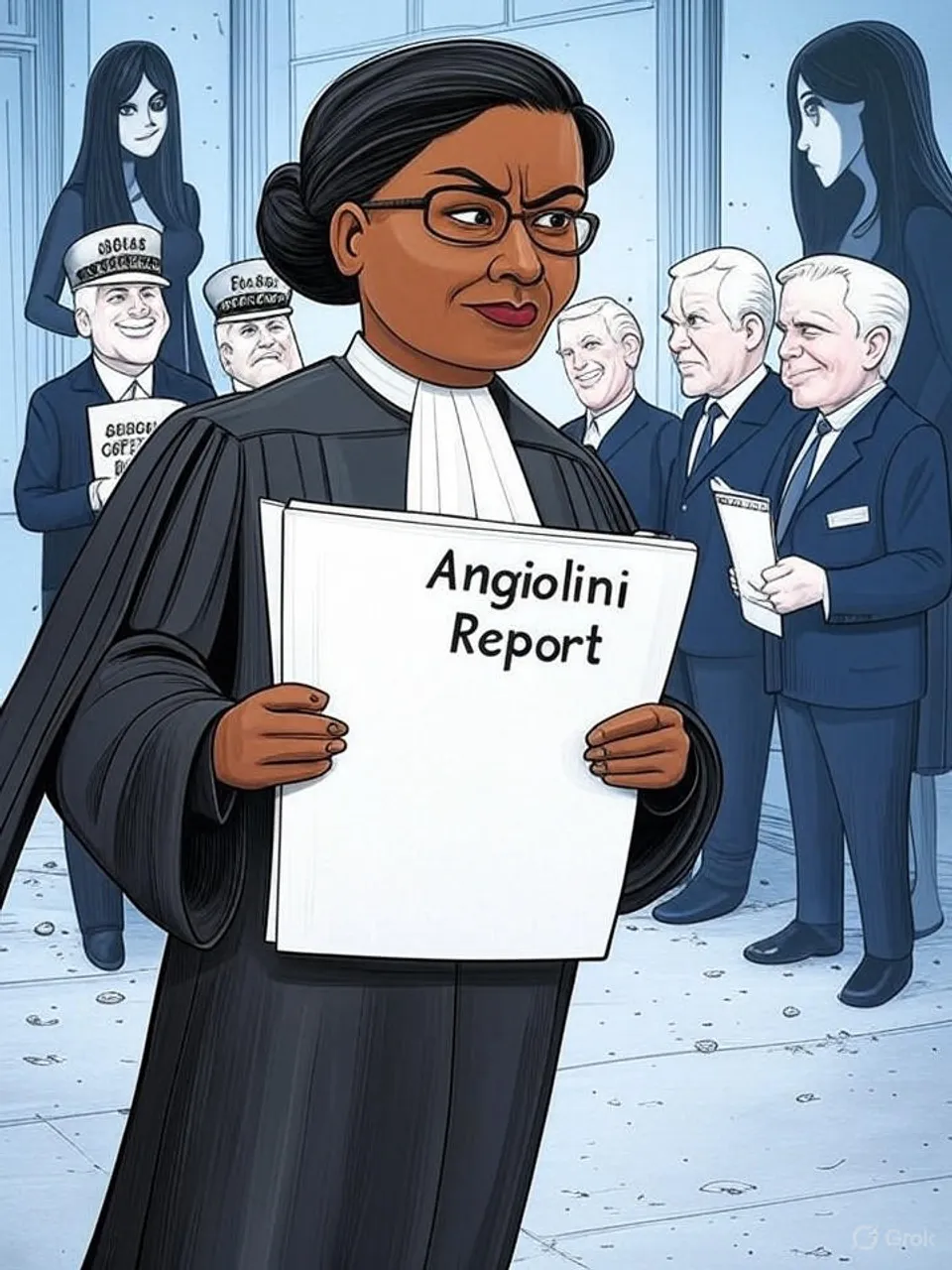
Four years after Sarah Everard, Angiolini report exposes paralysis in reforms
Dame Elish Angiolini's inquiry reveals 26% of England and Wales forces without basic sexual crime protocols, despite cross-party promises. Underfunding and inertia leave women exposed amid unmapped predator threats.
Commentary Based On
the Guardian
Quarter of police forces missing basic policies on sexual offences, says Sarah Everard report
One in four police forces in England and Wales lacks basic policies for investigating sexual offences. Dame Elish Angiolini’s report, published four years after Sarah Everard’s murder by officer Wayne Couzens, exposes this gap. Promises of reform from both Conservative and Labour governments remain unfulfilled.
Angiolini identifies “paralysis” in implementation. Her first report’s recommendations, including a ban on officers with sexual offence histories, sit ignored. Twenty-six percent of forces have not adopted even rudimentary protocols for crimes like indecent exposure.
Prevention efforts fare worse. The report condemns a “troubling lack of momentum, funding and ambition.” Efforts target symptoms—street lighting, advice to women—while ignoring predatory men who commit stranger attacks in public spaces.
Police and government admit ignorance on the scale of these assaults. No comprehensive mapping tracks offender patterns. Project Vigilant and Operation Soteria show promise, but fragmented initiatives rely on goodwill, not sustained resources.
Conservatives declared violence against women a 2023 priority. Funding fell short, likened to a “puffball”—big appearance, empty substance. Labour pledged to halve violence against women and girls in a decade; 16 months in power, their strategy remains unpublished.
Angiolini demands a “laser focus” on perpetrators. Prevention ranks below counter-terrorism in priority and resources. Thirteen new recommendations target this disparity, with further reports on police culture and officer David Carrick pending.
Cross-Party Inertia
Both major parties oversee the stall. Conservatives underfunded despite rhetoric. Labour delays strategy despite inheritance of ongoing inquiries.
Institutions prioritize short-term measures over structural change. Police backlogs and vetting failures persist from Couzens’ era. Women report streets as unsafe; data on attacks stays unmapped.
Accountability evaporates. No force leaders face consequences for non-implementation. Angiolini, a former top law officer, expresses “barely contained anger” at the establishment’s inaction.
This pattern afflicts public safety across domains. Commitments cascade post-scandal, then dissipate without enforcement mechanisms. Ordinary women bear the cost: eroded trust, persistent fear.
Britain’s policing embodies institutional sclerosis. Four years post-Everard, basic policies elude a quarter of forces. Women’s security declines as governments trade vows for inertia, embedding vulnerability in national fabric.
Commentary based on Quarter of police forces missing basic policies on sexual offences, says Sarah Everard report by Vikram Dodd on the Guardian.