Overnight Cell for Florida Shotgun Snapshot
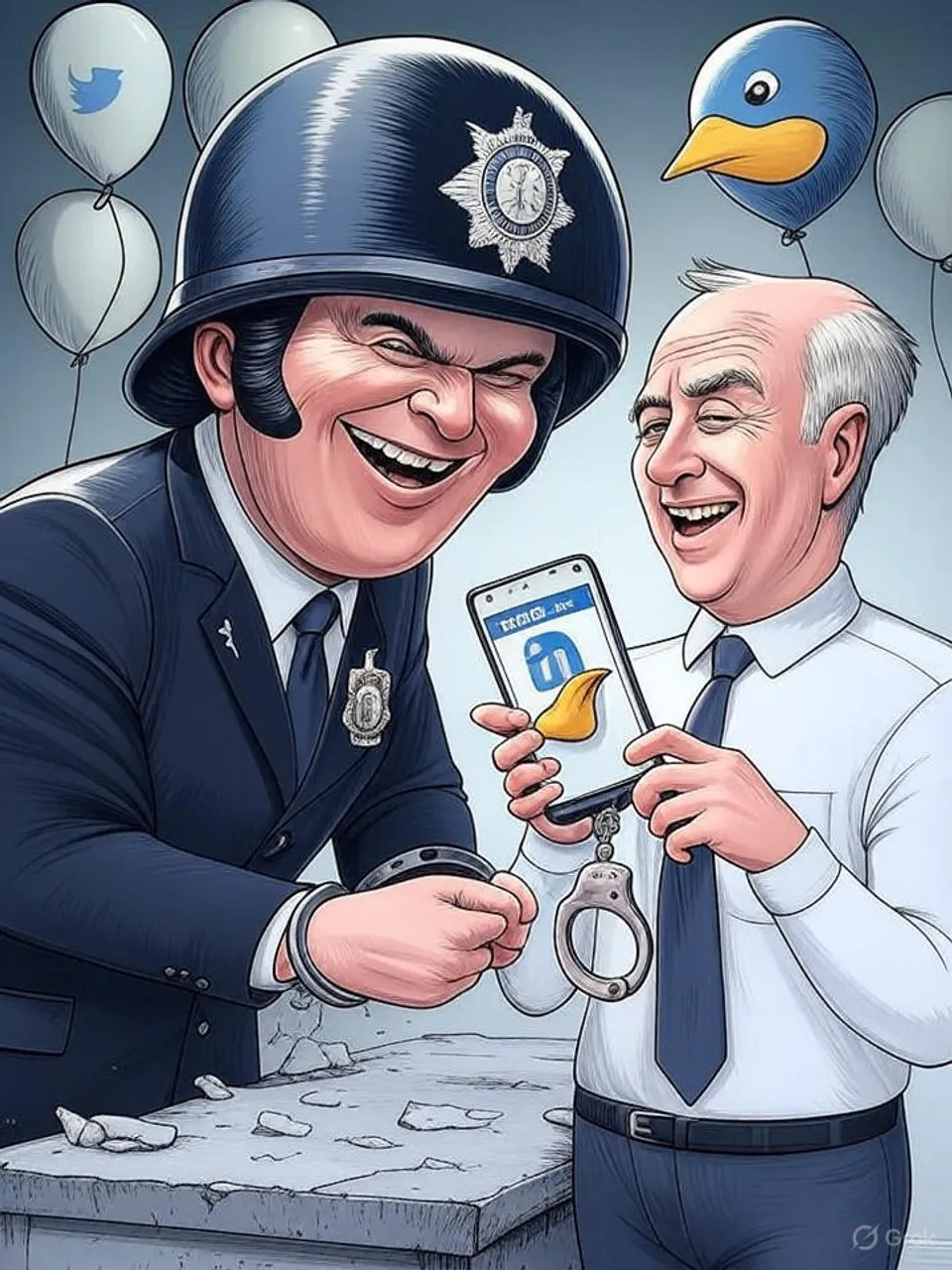
IT consultant loses 13 weeks of work after police seize devices over LinkedIn holiday post
West Yorkshire Police arrested a man for a legal US gun photo online, dropping all charges after seizing his livelihood tools. This overreach highlights subjective complaints driving arrests amid free speech erosion.
West Yorkshire Police arrested an IT consultant for a LinkedIn photo of him holding a shotgun during a legal holiday activity in Florida.
Jon Richelieu-Booth posted the image on August 13 alongside routine work updates. The shotgun came from a private homestead with friends. Nothing in the post suggested threats.
Officers first visited his home with a warning. He offered proof of the US location. They declined it.
Two weeks later, police arrested him at 10pm. Bail documents cited firearm possession with intent to cause fear and stalking via a house photo. He spent the night in a cell.
Investigators seized his phone and computers. As a self-employed contractor, he lost his ability to work. This stretched over 13 weeks.
Bail ran until late October. Police re-arrested him for alleged breach; prosecutors dropped it. Firearms and stalking charges vanished next.
A public order charge followed, tied to an unspecified post causing “harassment, alarm or distress.” He recalls no questioning on it. CPS discontinued before court on November 25.
Police justified action on a stalking complaint. The complainant viewed firearm images as threats. No evidence of illegality emerged.
This fits a pattern of UK police pursuing social media complaints on subjective feelings. Public order laws enable charges for alarm without clear harm. Outcomes hinge on CPS discretion, not initial evidence.
Richelieu-Booth now distrusts police he once supported. He plans a complaint and damages claim. West Yorkshire offered no apology.
Free expression narrows under these precedents. Legal acts abroad trigger domestic arrests when shared online. Platforms like LinkedIn become minefields.
Police resources divert to such cases amid rising serious crimes. West Yorkshire faces graffiti surges and unsolved violence, as prior reports note. Subjective complaints consume investigative hours.
Complainants weaponize distress claims without accountability. No penalty falls on false alarms that upend lives. Targets bear the burden alone.
Institutions shield officers from fallout. No internal review appears. The force issued a bland statement post-discontinuance.
This reveals deeper rule-of-law erosion. Police prioritize complainant emotions over facts and context. Arrests proceed on flimsy grounds, with cleanup left to prosecutors.
Citizens face cascading costs: lost income, legal stress, eroded privacy. Self-employment vanishes without devices. Recovery demands formal fights.
UK policing echoes past overreaches, from Twitter storms to protest crackdowns. Governments of all stripes expand these powers without checks. Outcomes stay arbitrary.
Ordinary people now self-censor holiday shares. Dissent or neutral posts risk dawn raids. Trust in enforcement plummets as priorities skew.
Police power outpaces safeguards. Bail conditions bind without conviction. Seizures halt livelihoods preemptively.
This incident exposes systemic fragility. Law enforcement chases phantoms while real threats fester. Britain’s civic space contracts one arrest at a time.
The uncomfortable truth endures: UK authorities treat online images as crimes until proven otherwise, inverting presumption of innocence. Free discourse yields to fear of reports. Decline accelerates as institutions police thoughts, not actions.
Commentary based on IT consultant arrested after posing with gun on LinkedIn by Will Bolton on The Telegraph.