Overspend Funds the NHS Axe
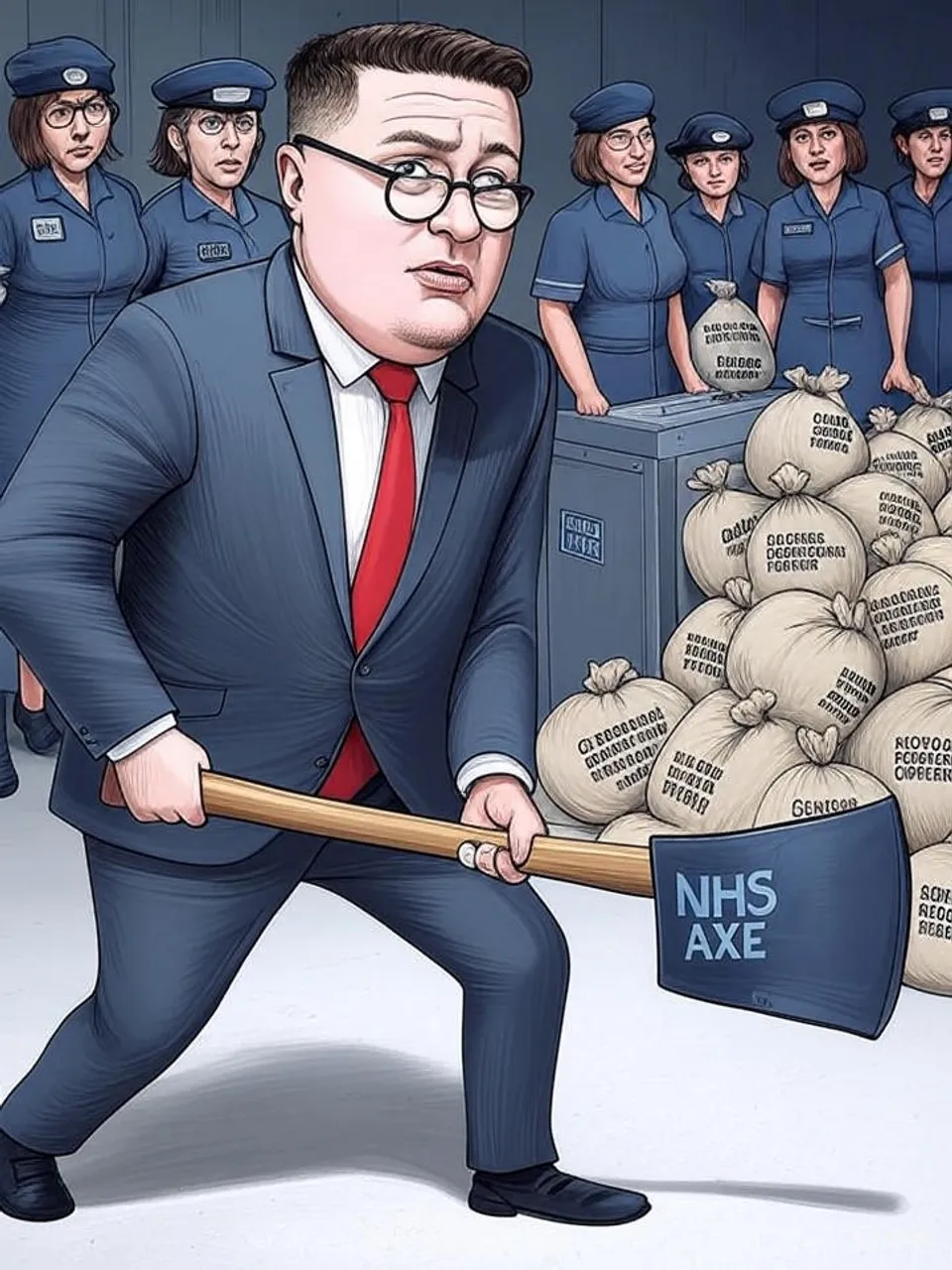
£1 Billion Upfront for 18,000 Job Losses, Savings Deferred
The government's £1 billion approval for NHS redundancies allows budget overspending now, promising future efficiencies that past reforms failed to deliver. This structural tweak exposes chronic underfunding and cross-party neglect of frontline needs.
The Treasury unlocks £1 billion for NHS redundancies, but only by letting the health service overspend its budget this year. Ministers tout the cuts to 18,000 administrative roles as a strike against bureaucracy, promising £1 billion in annual savings for frontline care. In reality, taxpayers foot the immediate bill, while long-term gains hinge on unproven efficiencies.
These job losses target managers and staff across NHS England, the Department of Health and Social Care, and local health boards. The plan includes halving headcounts in Integrated Care Boards, which coordinate regional services. Abolishing NHS England entirely within two years forms the capstone of this restructuring.
Health Secretary Wes Streeting will frame the move at the NHS providers’ conference as fiscal prudence. He points to a 2.4% productivity rise from curbing recruitment agency costs. Yet this gain predates the redundancies and stems from narrower spending controls, not broad administrative overhaul.
Official accounts omit the transition risks. Frontline services already face 7.6 million people on waiting lists, a figure that climbed under the previous government and shows no reversal. Cutting support roles without clear safeguards could strain operations, as seen in past reforms where efficiency drives led to outsourced chaos.
Historical patterns expose the flaw. Labour’s 1997 pledge to modernize the NHS through management layers yielded the opposite: bureaucracy ballooned to 1.3 million non-clinical staff by 2010. Conservative austerity from 2010 trimmed numbers but deepened shortages, with vacancies hitting 112,000 last year.
Cross-party repetition underscores systemic inertia. Both major parties have chased savings through structural tweaks—New Labour’s trusts, Tories’ integrated care systems—yet core funding per capita lags 20% behind 2009-10 levels, adjusted for inflation. Real investment in staff and equipment erodes under repeated fiscal squeezes.
The £1 billion overspend reveals deeper fiscal pathologies. NHS England received a 2.9% budget uplift for 2024-25, below the 3.4% needed to match rising demands from an aging population. Recouping costs “further down the line” means future budgets absorb the hit, perpetuating deficit cycles that strain public finances.
Job losses compound economic fragility. These 18,000 roles, concentrated in public administration, will ripple through local economies already hit by 5% unemployment in some regions. Displaced workers face a jobs market where NHS vacancies persist, yet administrative cuts offer no bridge to clinical roles without retraining.
Accountability gaps widen the divide. Ministers like Chancellor Rachel Reeves and Streeting promise “every penny spent wisely,” but no metrics track service impacts post-cuts. Past inquiries, such as the 2013 Francis report on Mid Staffordshire, highlighted how efficiency obsessions mask care failures; today’s plan echoes that without lessons applied.
Political noise distracts from substance. Rumors of a coup against Prime Minister Keir Starmer swirl as budget pressures mount, yet Streeting’s team denies distractions. Such infighting signals leadership instability, eroding the focus needed for genuine reform.
This redundancy drive fits a decade-long NHS trajectory: episodic overhauls that trim peripheries while core rot festers. Waiting times for routine procedures now average 14 weeks, up from 8 in 2019, across Labour and Conservative tenures. Bureaucracy serves as a scapegoat, but chronic underfunding—£40 billion shortfall since 2010—drives the real decline.
The uncomfortable truth emerges in the numbers. UK health spending at 10.3% of GDP trails the OECD average of 12%, with outcomes like life expectancy stalling at 81 years since 2014. These cuts buy headlines of reform but lock in a health service that delivers less for more, mirroring Britain’s broader institutional decay where promises outpace delivery.
Commentary based on Thousands of NHS staff to be made redundant after funding agreed at Sky News.