Own Veterans Chief Slams Labour's Bill as Soldier Betrayal
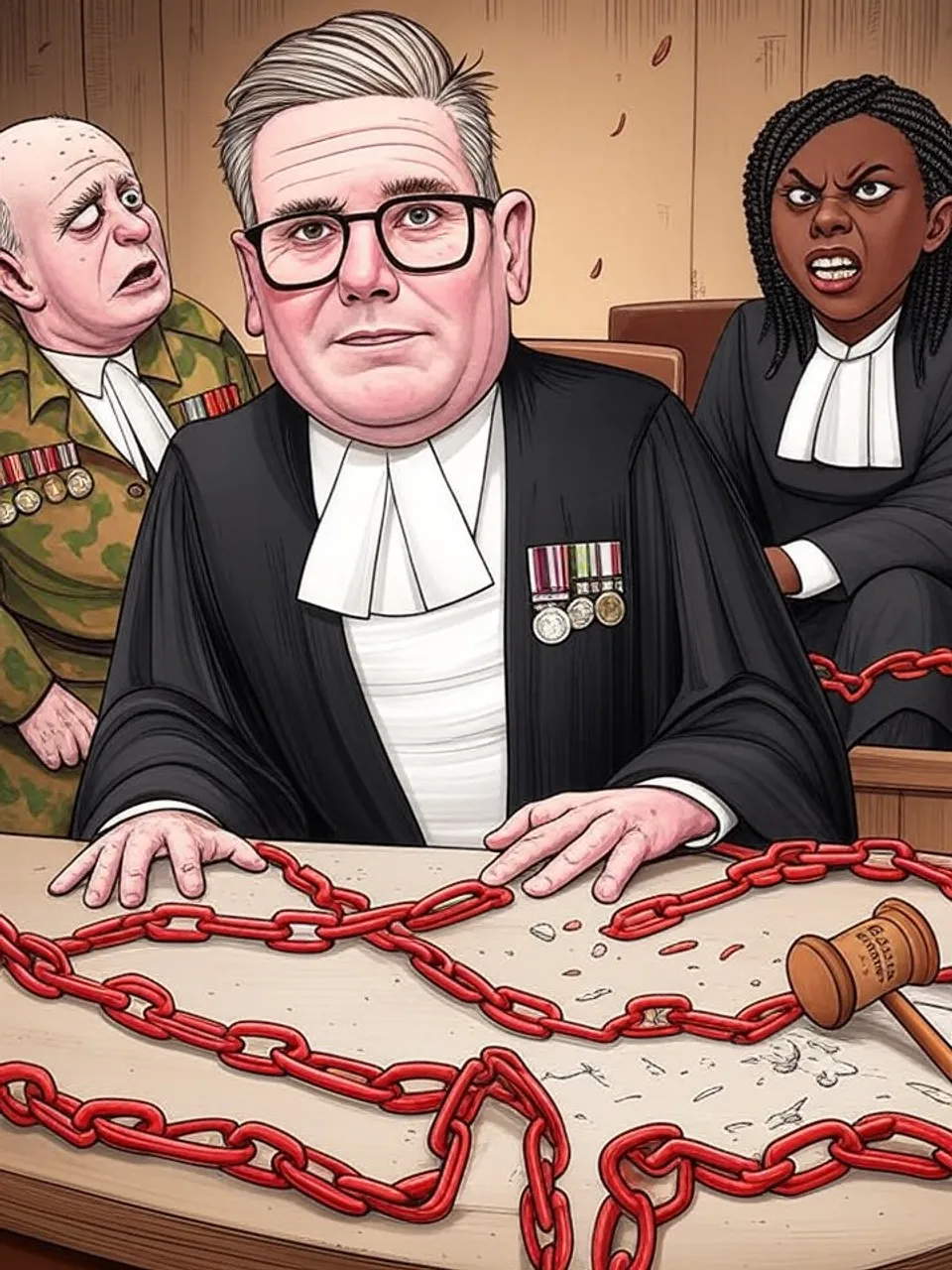
Troubles troops face courts while IRA pardons stand
Labour scraps veteran immunity, drawing fire from its own commissioner who says ex-soldiers suffer worse than terrorists. Bill risks lawfare, eroding military trust amid global threats.
Commentary Based On
The Telegraph
Badenoch: Starmer’s persecution of veterans is a ‘national disgrace’
Labour scraps immunity for Troubles veterans. Its own Northern Ireland Veterans Commissioner declares the replacement bill treats ex-soldiers worse than terrorists. Decades after the conflict, elderly troops face reopened prosecutions while IRA members received early releases and pardons.
The Conservative Legacy Act, passed in 2023, offered legal immunity to British forces for Troubles actions. Courts ruled it unlawful under the European Convention on Human Rights. Labour ditched it within weeks of taking office in 2024.
Labour’s Northern Ireland Troubles Bill establishes an investigative commission instead. Critics, including seven former SAS commanders and eight four-star generals, warn it invites vexatious claims. Records survive mainly for soldiers who followed orders; decommissioned IRA weapons left no forensics.
David Johnstone, Labour’s appointee as Veterans Commissioner and a 20-year Army veteran, leads the backlash. He states the bill exposes troops to full legal force for lawful actions, unlike terrorists granted amnesties post-1998 Good Friday Agreement. Johnstone warns it erodes armed forces trust in government.
Kemi Badenoch labels this “lawfare,” where adversaries paralyze Western militaries through endless probes. The bill signals to serving personnel that the state may abandon them years later. Recruitment and retention already strain amid global threats.
Governments across parties navigate the same trap. Early terrorist releases bought peace but seeded veteran inequities. Tory immunity aimed to balance this; Labour’s reversal restores asymmetry under ECHR pressures.
Northern Ireland’s peace process prioritizes reconciliation over finality. Families receive promises of justice unlikely to materialize. Veterans, averaging 70-80 years old, endure legal ordeals instead.
Military leaders highlight national security risks. SAS chiefs argue humiliation aids Moscow, Tehran, Beijing. Britain’s small special forces bear unique burdens; inconsistent state support invites exploitation.
Labour defends the bill with six claimed protections. Yet Johnstone and seniors dismiss them as inadequate. The previous Tory Act delivered none either, per government claims, trapping successors in judicial vetoes.
This pattern afflicts UK defense policy. Post-conflict legalism outlives threats, deterring action. Police face similar non-crime probes; regulators block deportations. Institutions cede ground to courts, eroding deterrence.
Veterans’ treatment reveals deeper decay. Governments promise loyalty to those who served but deliver exposure. Cross-party inertia sustains the cycle, as ECHR and legacy commitments override national safeguards.
The bill advances through Parliament amid outcry. No convictions data accompanies the prosecutorial surge. Ordinary citizens fund defenses while adversaries exploit the chill.
UK decline accelerates through such self-sabotage. State abandonment of veterans undermines the military covenant at history’s pivot. Legal piety supplants security; Britain weakens itself while threats sharpen.
Commentary based on Badenoch: Starmer’s persecution of veterans is a ‘national disgrace’ by Ben Riley-Smith on The Telegraph.