Plastic Bears and Black Skies: Britain's Festive Fraud Loop
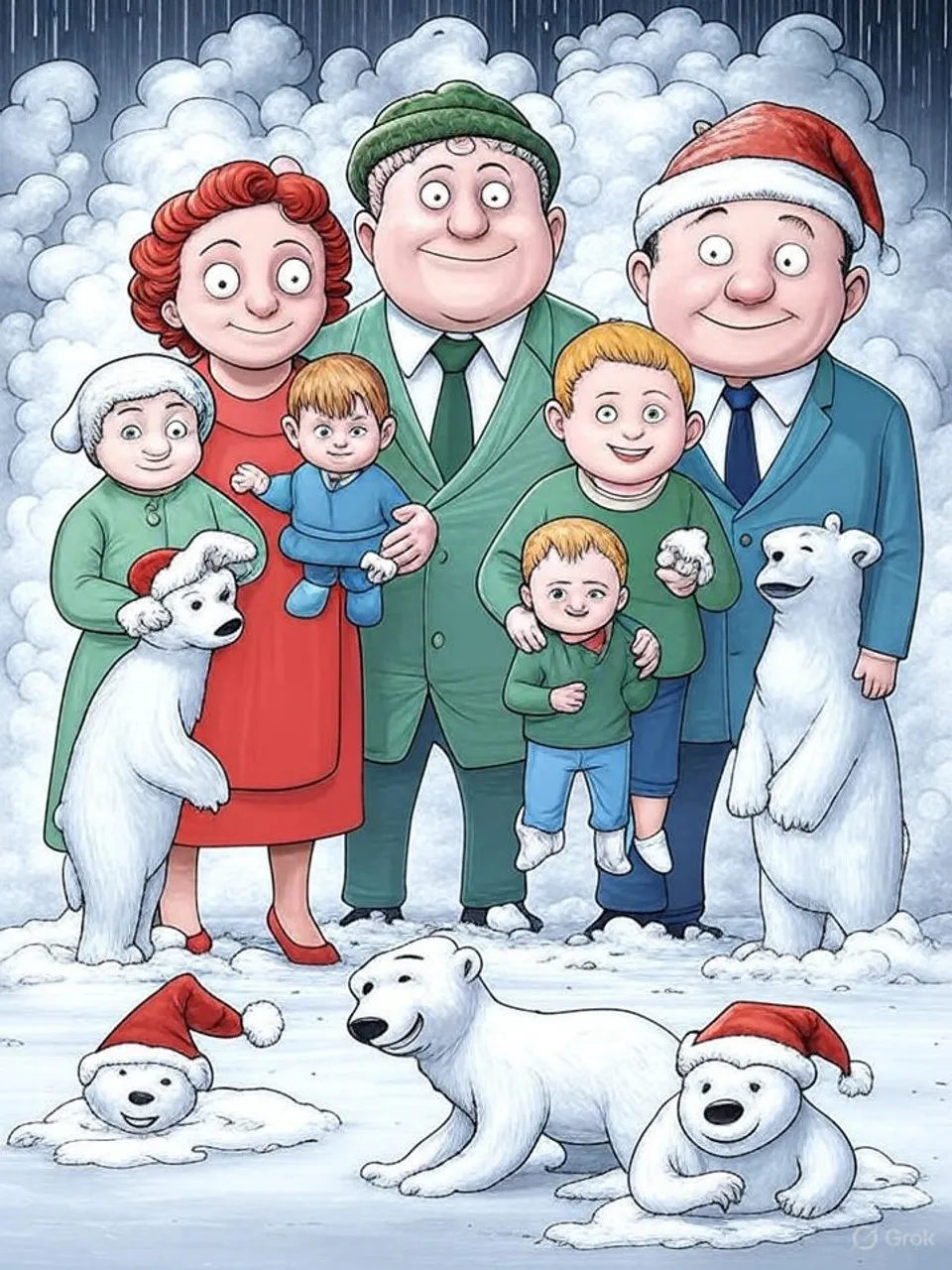
Sixteen years of mud, queues, and refunds
Recurring Christmas event disasters reveal unchecked commercial hype and underdelivery, eroding family trust and leisure standards across two decades. No lessons learned, just refunds and relaunches.
Commentary Based On
the Guardian
‘Look what you’ve done to my children!’: a tale of winter wonderland disasters
Families pay up to £30 a head for Hollywood-grade Christmas magic. They queue two hours in mud for plastic polar bears and a net of lights. The pattern endures from 2008 to 2024.
Lapland New Forest in 2008 defined the archetype. Organisers promised special effects and log cabins. Visitors found broken ice rinks, a reindeer with snapped antler, and Santa smoking by a Portaloo.
Chaos followed. Parents screamed at elves, fights broke out in gingerbread houses, one employee declared Santa dead. The site shut after six days; organisers served 13 months in jail for misleading the public.
Repeat performances confirm no learning curve. Winter Wonderland MK in 2013 offered festive spells. It delivered burger vans and a tent with statues—closed after one day, full refunds via PayPal.
The 2014 Magical Journey boasted Laurence Llewelyn-Bowen design and 90 minutes of immersion. Guests endured 40-minute queues for cheap plastic gifts amid airport-like waits. It collapsed after a day, reopened sans media, then vanished nine days early.
High-end variants flop too. Harrods’ 2019 grotto gated Santa behind £2,000 spend thresholds, reserving 96% of time for rich children. Santa never returned post-2021.
Rural attempts fare no better. Enchanted Balgone’s 2022 Santa Train Room featured a handless mannequin in electrical tape, propped by a plastic palm tree under spray-painted plywood. Refunds followed swift closure.
Recent entries match the script. Haywards Heath’s 2024 drone show pledged 600 LEDs for wonder. Fifteen minutes of gaps and black skies ensued—no finale.
Bluewater’s Elf Experience sold North Pole adventures with games. Attendees entered a strip-lit retail unit, half-empty with scant activities.
Sixteen years span these debacles. Each iteration recycles hype: immersive magic, state-of-the-art production, family spells. Delivery defaults to mud, breakdowns, bare minimums.
Trading Standards convicted the 2008 culprits. Later cases yield refunds, apologies, closures—but no deterrents. Events relaunch annually under fresh branding.
This exposes commercial entropy. Britain’s leisure sector chases ticket sales amid squeezed margins. Promises inflate to lure families facing £100-plus costs per outing.
Trust erodes incrementally. Children question if they’ve been “bad”; magic shatters in grain sheds. Parents absorb financial hits, replaying the cycle next season.
Broader decay sets in. Functional markets punish repeat failures with reputational loss. Here, festive fraud rebounds, unscarred by memory or regulation.
Policymakers ignore the template. Consumer protection agencies react post-failure, never preempt. The UK leisure economy—worth billions—operates on goodwill now threadbare.
Ordinary families bear the cost. Discretionary spending funds these illusions, diverting from basics amid wage stagnation. Disappointment compounds seasonal pressures.
Britain’s decline manifests in these fields. Institutions tolerate serial underdelivery, from Christmas grottos to public promises. Basic competence slips, year on year, government after government.
Commentary based on ‘Look what you’ve done to my children!’: a tale of winter wonderland disasters by Stuart Heritage on the Guardian.