£500,000 Per Unit: Lambeth Housing Vehicle Falls Short
Lambeth absorbs losses from a failed council-owned developer while residents face service cuts or higher taxes.
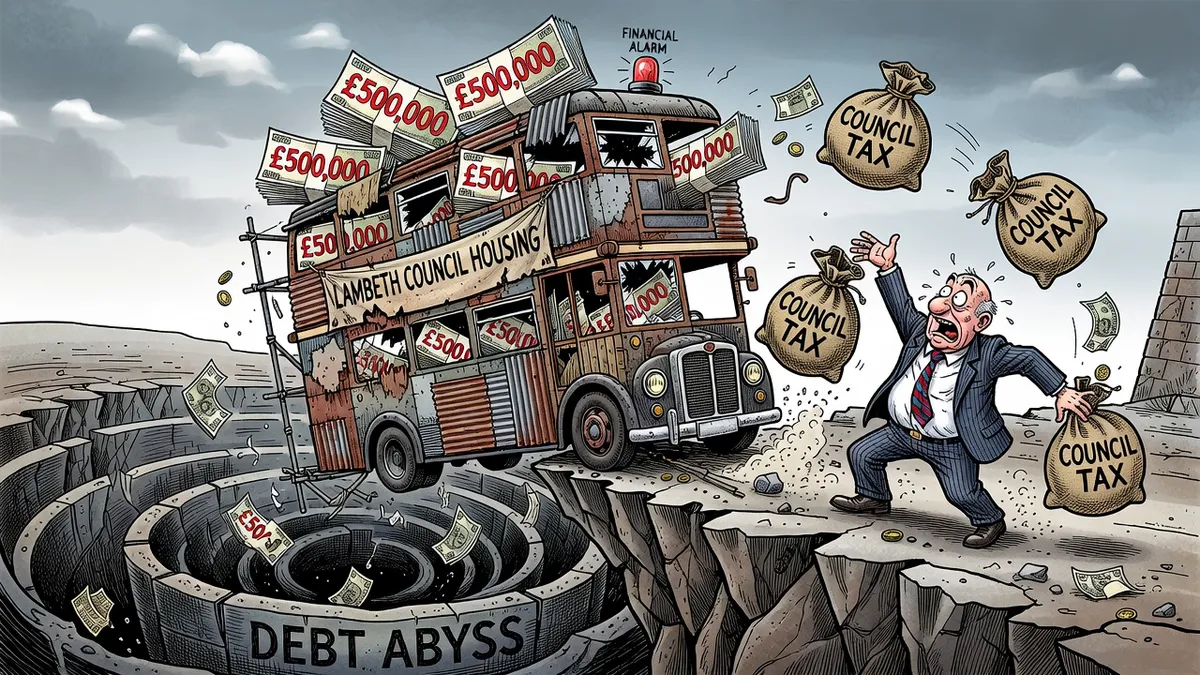
£68 million write-off follows 254 homes delivered against 900 target
Lambeth Council must write off £68 million in unrecoverable debt from its housing development company after the vehicle delivered 254 properties instead of the 900 promised.
Homes for Lambeth received £123 million from the council plus a further £40 million after a 2022 review by Sir Bob Kerslake recommended winding it up. The resulting units carried an average cost near £500,000 each. The council now faces a £143 million budget shortfall over three years and has requested emergency central funding.
Delivery Record
The company built 120 social rent homes and acquired 134 more from private developers. Tenant feedback collected for the Kerslake review described inconsistent policy, repeated delays and poor communication. Trust in the council reached exceptionally low levels as a direct result.
Additional loans of £59 million have already been treated as lost, with another £9 million expected to follow. Councillors plan to close three of the four HfL departments while retaining the landlord arm on an interim basis. Scrutiny committee members from the Liberal Democrats described the decision to keep any part operating as carrying near-certain risk of further failure.
Cross-Party Continuity
Labour established the company in 2017. The subsequent Labour administration continued funding it for two years after the Kerslake recommendation. The current Green-led minority administration, supported by Liberal Democrats, now confronts the accumulated losses and has cancelled the remaining 900-home programme. Each administration attributes shortfalls to external constraints while the debt accumulates.
Central government has stated that tenants will not bear the losses directly and that councils must secure value for money on housing schemes. Lambeth has joined other London boroughs in talks about raising council tax above the normal cap. The pattern shows local authorities launching arm’s-length vehicles, receiving large capital injections, missing targets and transferring the shortfall to residents through reduced services or higher bills.
This episode forms part of repeated failures across UK local government where political promises on housing supply produce vehicles that absorb public funds without matching output. The same cycle of setup, under-delivery and eventual write-off has recurred under successive parties at both local and national level. Ordinary ratepayers absorb the cost while the underlying shortage of affordable units persists.
Commentary based on London council declares financial emergency after uncovering ‘scandal’ at housing body by Rachael Burford on The Standard.
← Back to commentary