Pub Rates Bills Jump 66% Despite Lowest-Tax Vow
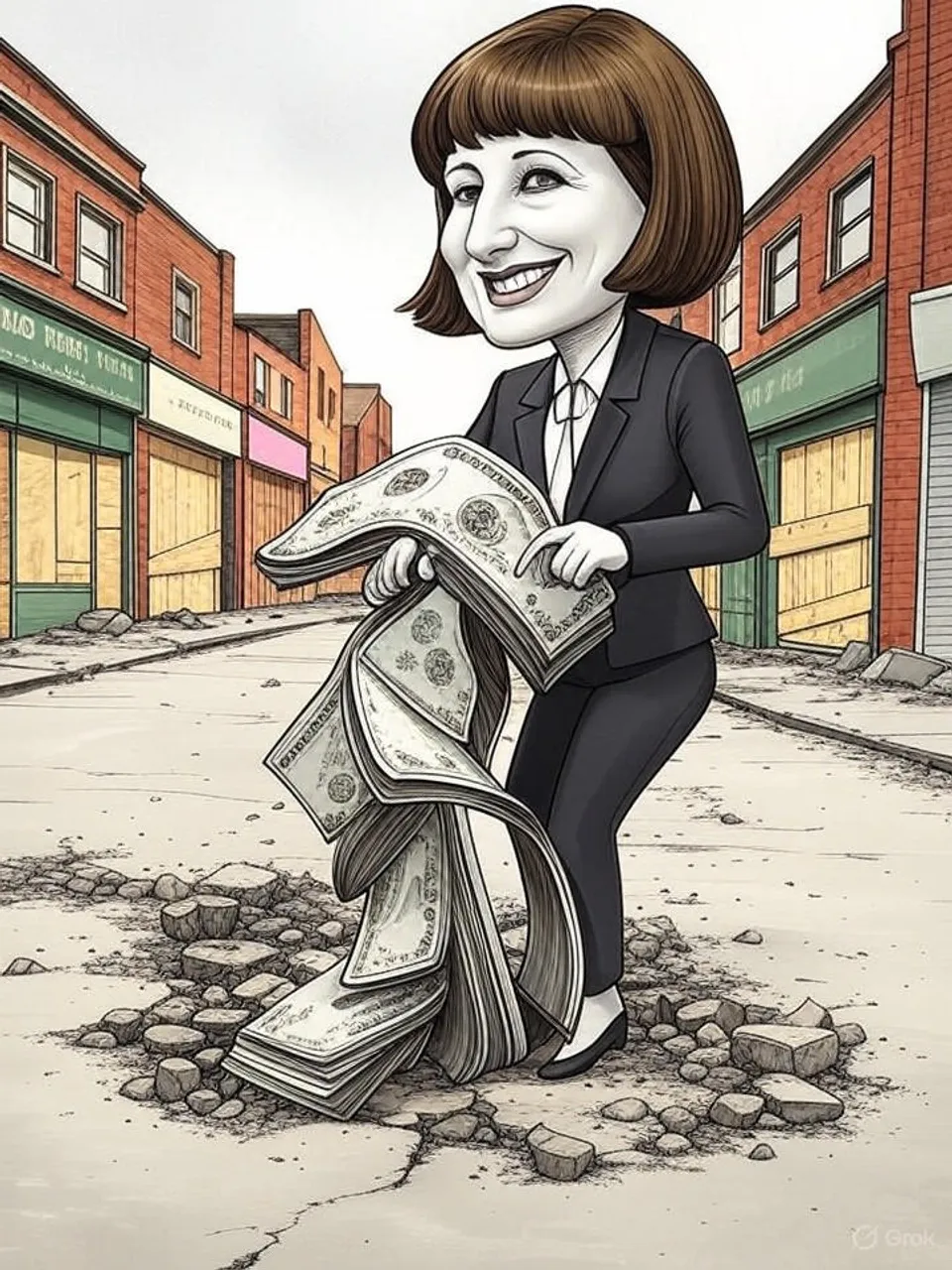
£62,000 hit to one chain exposes high street pain
Chancellor Reeves pledged tax relief for pubs but revaluations and discount cuts drive 66% average bill hikes, squeezing margins amid NI and wage rises. Closures loom as fiscal drag hits small firms hardest.
Phil Thorley’s small pub chain absorbs a £62,000 annual business rates hike across 17 sites.
Chancellor Rachel Reeves promised the lowest taxes since 1991 for pubs, restaurants and small shops. She targeted relief at high street firms by raising levies on warehouses for online giants like Amazon. Yet revaluations lifted rateable values while a Covid-era 40% discount phases out from April.
Tax firm Ryan calculated average increases: small shops up 42%, restaurants 45%, pubs 66%.
Thorley’s sites saw rateable values climb. His payable rates rise 27% overall. The family firm, already strained by October’s National Insurance and minimum wage hikes, faces reduced hiring and investment.
Government claims hold nuance. A £4.3 billion package limits bills for 750,000 high street firms via lower multipliers on rateable values. Typical independent pubs save £4,800 yearly, per Treasury figures.
Reality diverges for many. Manchester’s Atlas Bar owner Elaine Wrigley reports a 15% bill rise despite the lower rate. Her rateable value jumped from £69,000 to £97,000; margins shrink as price hikes hit customer limits.
Revaluation Shockwaves
Business rates hinge on rental value assessments. Recent uplifts caught firms off-guard post-Budget. Night Time Industries chairman Sacha Lord calls it a stealth tax, predicting more closures than during the pandemic.
Transitional relief softens some blows. But the net effect compounds prior pressures: employer costs up from NI contributions, wages climbing again next year. Pubs warn of a “death knell” for the sector.
Opposition parties pounce. Conservatives label it a “bombshell,” citing watered-down discounts from prior consultations. Liberal Democrats demand VAT cuts for hospitality.
Persistent High Street Erosion
This fits a pattern of fiscal drag on small enterprises. Reeves’ October Budget loaded burdens onto employers; November tweaks extract further via property taxes. High street venues, community anchors, bear the load amid stagnant productivity and rising state spending.
Pub closures accelerated under prior governments too, from 1,000 yearly pre-pandemic to peaks beyond. Labour’s maneuvers shift pain without addressing root drags: energy costs, staffing shortages, consumer squeeze.
Official support lists extras: cheaper licensing for outdoor drinking, frozen draught alcohol duty, capped corporation tax. These offset little against 66% rates surges for pubs.
The uncomfortable calculus emerges. Policies frame relief for “typical” firms while outliers—and averages—suffer. Small operators like Thorley fund broader fiscal gaps through stealth hikes.
Britain’s pubs, once 60,000 strong, now hover below 40,000. This Budget accelerates the slide, prioritizing warehouse giants’ penalties over high street survival. Fiscal promises evaporate into higher bills, eroding the commercial tissue that sustains local economies.
Commentary based on 'Business rates changes will cost me £62,000' at BBC News.