Radiotherapy Cures Cancer, Ignites Endless Pain
Pelvic radiotherapy left Trish Prosser in agony six years post-treatment, exposing Northern Ireland's lack of follow-up services amid NHS aftercare collapse. This case documents systemic neglect of cancer survivors across UK health systems.
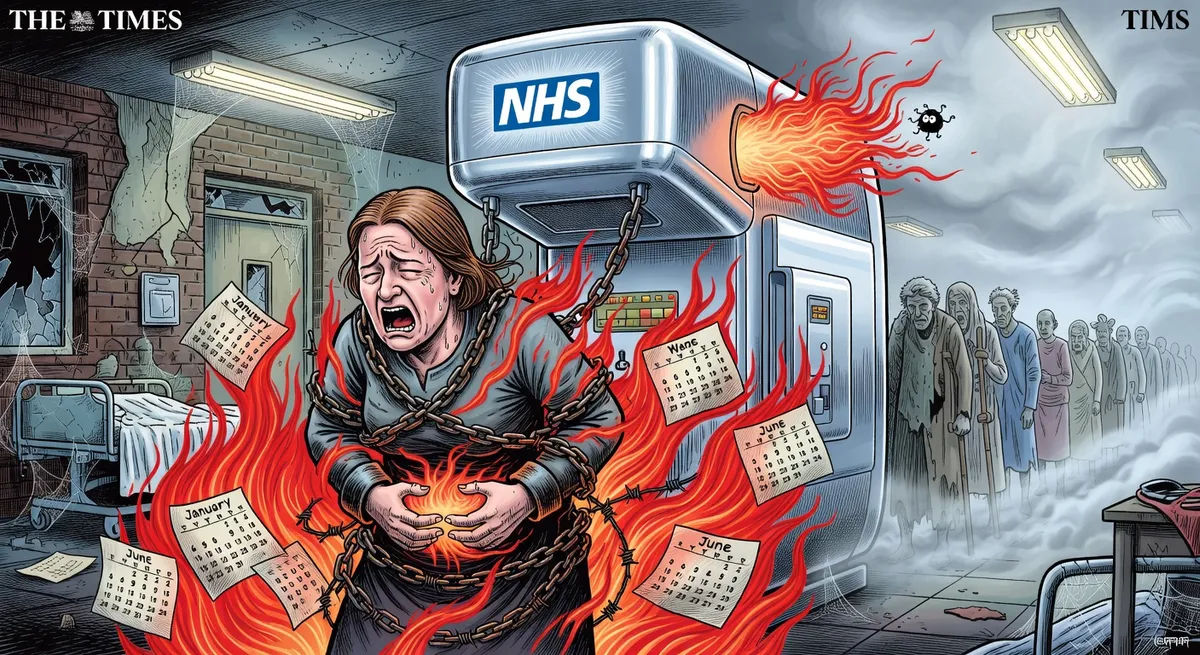
Belfast survivor endures six years of vaginal scarring without aftercare clinic
Trish Prosser rang the cancer bell after pelvic radiotherapy in 2020. Six years later, her vaginal walls fused shut from scar tissue, leaving her in constant agony. Treatment succeeded; recovery failed.
Prosser, a 57-year-old from Belfast, endured radiation for anal cancer, a rare disease striking 1,500 Britons yearly. Fatigue and itching marked her diagnosis amid Covid isolation. No hair loss hid the internal collapse.
Northern Ireland offers no dedicated clinic for pelvic radiotherapy aftercare. Patients face bowel, vulva, and vaginal scarring alone. The rest of the UK provides one-stop services; Belfast does not.
Radiation-induced vaginal stenosis shortened and narrowed her vagina. Scar tissue caused dryness, inflexibility, and tears during dilation or intimacy. Prosser navigated this without systemic support.
Her GP offered initial help. Post-treatment, she managed incontinence pads, dilators, and chronic constipation solo. Swollen stomach and unrecognizable reflection compounded the isolation.
Clinicians at Belfast Health Trust now push for awareness events. Charities like Radiotherapy UK demand multidisciplinary late effects services. Patients slip through gaps after bells ring.
Anal cancer responds to early radiotherapy. HPV drives 90% of cases, yet warnings lag. Only persistent infections turn malignant, but screening gaps persist.
This case exposes radiotherapy’s long tail. Late effects strike months or years out, eroding quality of life. UK cancer survival rates climb, but survivors bear unaddressed burdens.
NHS England logs 7.6 million waiting lists. Northern Ireland mirrors strains with 8,000 cancer waits over a year. Resource shortages prioritize acute care over chronic fallout.
Aftercare Void
Governments since 2010 cut NHS budgets relative to need. Labour’s 2024 pledges add staff, yet 2025 data shows radiotherapy machine downtime at 15%. Patients pay the price.
Cross-party inaction built this. Tories delayed HPV vaccines; Labour underfunds recovery pathways. Northern Ireland’s devolved health amplifies central failures.
Prosser broke stigma to advocate. Events this weekend gather patients and experts. But events substitute for clinics.
Functional systems triage late effects. Multidisciplinary teams track scarring proactively. UK’s reactive model waits for agony.
Ordinary citizens face diluted care. Cancer “cures” deliver partial victories. 40-50 Northern Irish cases yearly endure similar voids.
Drug-driver leniency kills three with three years served. Meningitis doses 30,000 post-deaths. Patterns link: NHS reacts, never prevents.
Institutional Pathology
Elite leaks evade probes; veterans decry defence lies. Healthcare follows: promises ring hollow. No minister resigned over aftercare gaps.
Productivity stagnates at 0.5% yearly growth. NHS absorbs 8% of GDP, yet outcomes lag OECD peers. Radiotherapy volumes rose 20% since 2015; support did not.
This reveals core rot. Treatment metrics celebrate volume, ignore survivorship. Patients like Prosser embody the human cost of institutional blindness.
Britain’s NHS heralded universal care in 1948. Now, cancer bells signal abandonment. Decline accelerates as cross-party neglect compounds, leaving bodies scarred and systems hollowed.
Commentary based on Anal cancer: Woman left in pain six years after radiotherapy treatment at BBC News.
← Back to commentary