Reeves Highlights Productivity Downgrade, Omits Wage Offset
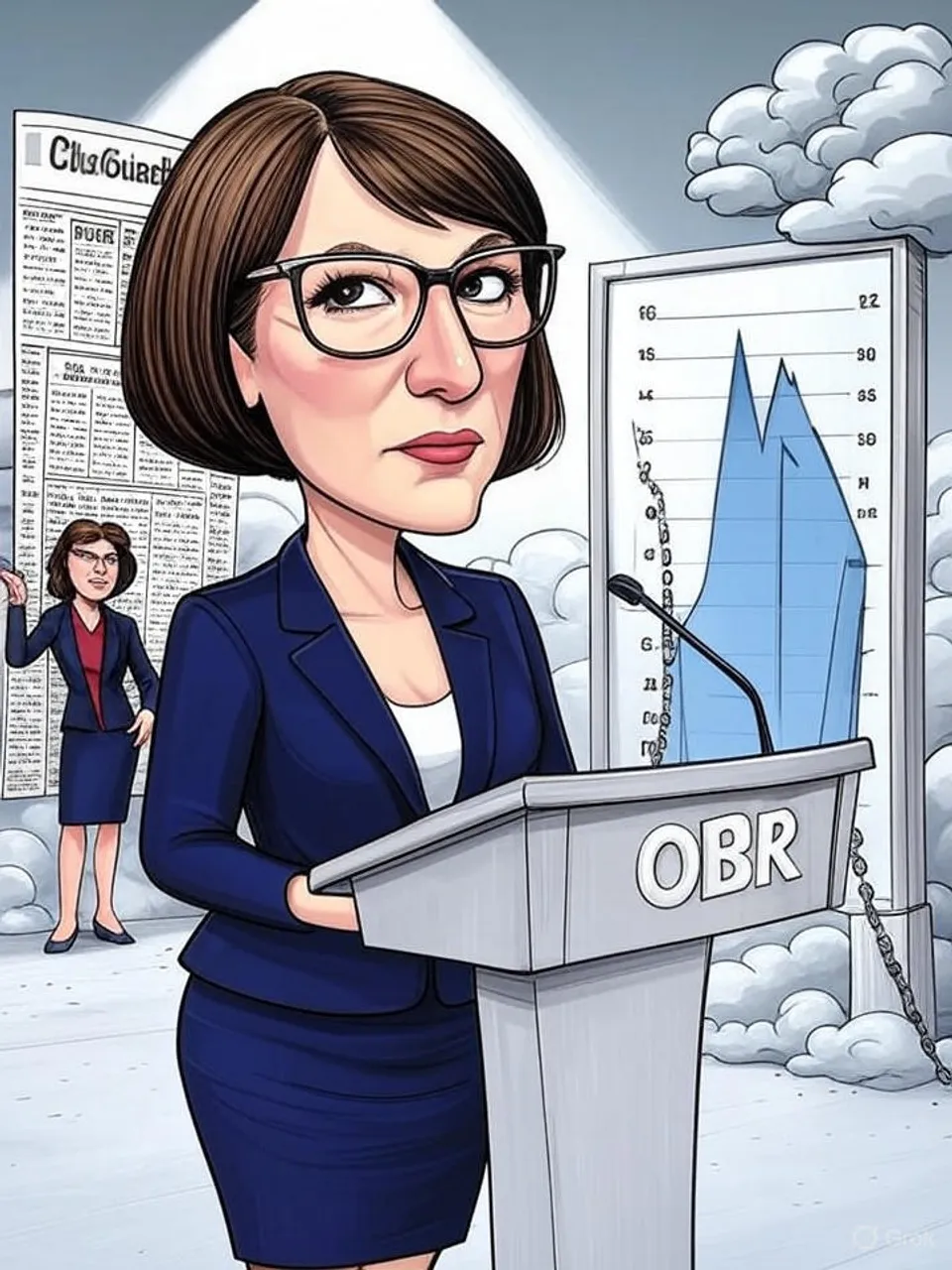
OBR wage buffer granted £4.2bn headroom before £26bn tax rises
Rachel Reeves emphasized productivity weakness pre-Budget but ignored OBR-noted wage offsets that eased fiscal rules. This selective narrative justified £26bn tax hikes amid known headroom, exposing persistent opacity in fiscal communication.
Rachel Reeves warned on 4 November that weaker UK productivity would slash tax receipts and strain fiscal rules. The Office for Budget Responsibility confirmed this downgrade but noted higher wages fully offset the hit to revenues. Her selective emphasis fueled speculation of deeper tax hikes than the eventual £26 billion package delivered.
OBR chairman Richard Hughes informed Reeves on 17 September that public finances stood stronger than public perceptions allowed. By 31 October, OBR projections showed her meeting the day-to-day borrowing rule with £4.2 billion headroom—less than the £9.9 billion buffer from prior year, but viable nonetheless.
Reeves pressed the pessimism in a Downing Street speech and BBC Radio 5 Live interview. She claimed manifesto commitments demanded capital spending cuts without tax rises. Markets and MPs absorbed the gloom, anticipating income tax rate hikes she later abandoned.
The offset emerged post-Budget via Hughes’ letter to the Treasury select committee. Higher wages boosted tax take enough to grant surplus against both fiscal rules. Treasury spokespeople sidestepped process questions, stressing Reeves’ choices protected services and doubled debt headroom.
Conservatives labeled it a smokescreen for welfare spending and broken no-tax-rise pledges. Reeves countered to the Guardian that uncertainty over the productivity scale justified reviewing income tax and National Insurance. No 10 rejected misleading claims outright.
This mirrors fiscal maneuvers under prior governments. Chancellors from both parties have spotlighted headwinds while downplaying tailwinds to frame tax or spending decisions. Sunak’s team, for instance, amplified borrowing risks in 2022 to justify energy bailouts.
Fiscal rules themselves invite such gamesmanship. Headroom targets force short-term tweaks over structural reform, rewarding narrative control. Reeves extended threshold freezes to 2028, imposing £220 annual stealth levies on basic earners despite the wage buffer.
Public trust erodes with each revelation. Polls already show 60% expect tax rises under Labour, matching pre-Budget fears. Selective disclosure normalizes opacity, where voters learn fiscal realities only after burdens lock in.
Institutions meant to enforce candor falter. OBR independence holds, yet Treasury internal processes shield ministers from scrutiny. No mechanism compels pre-Budget balance in public statements.
Ordinary households bear the cost. £26 billion in rises hit via thresholds, employer NI, and other levers, even with offsets known. Wages may rise, but net take-home shrinks as fiscal drag bites harder.
Britain’s economic governance prioritizes political cover over transparency. Reeves navigated rules without rate hikes, yet public priming secured acceptance for stealth measures. This pattern persists across administrations, entrenching decline through manipulated expectations and unaccountable choices.
The uncomfortable truth: Voters face rising taxes sold as fiscal necessity, while chancellors privately grasp greater latitude. Accountability evaporates in Westminster’s echo chamber, leaving citizens to fund the gap.
Commentary based on No 10 denies Reeves misled public in run up to Budget at BBC News.