Safeguarding Post Vacated After Two Months of Personal Strain
Natalie Fleet's resignation exposes how personal history collides with a role handling grooming gangs and abuse without delivering stable oversight.
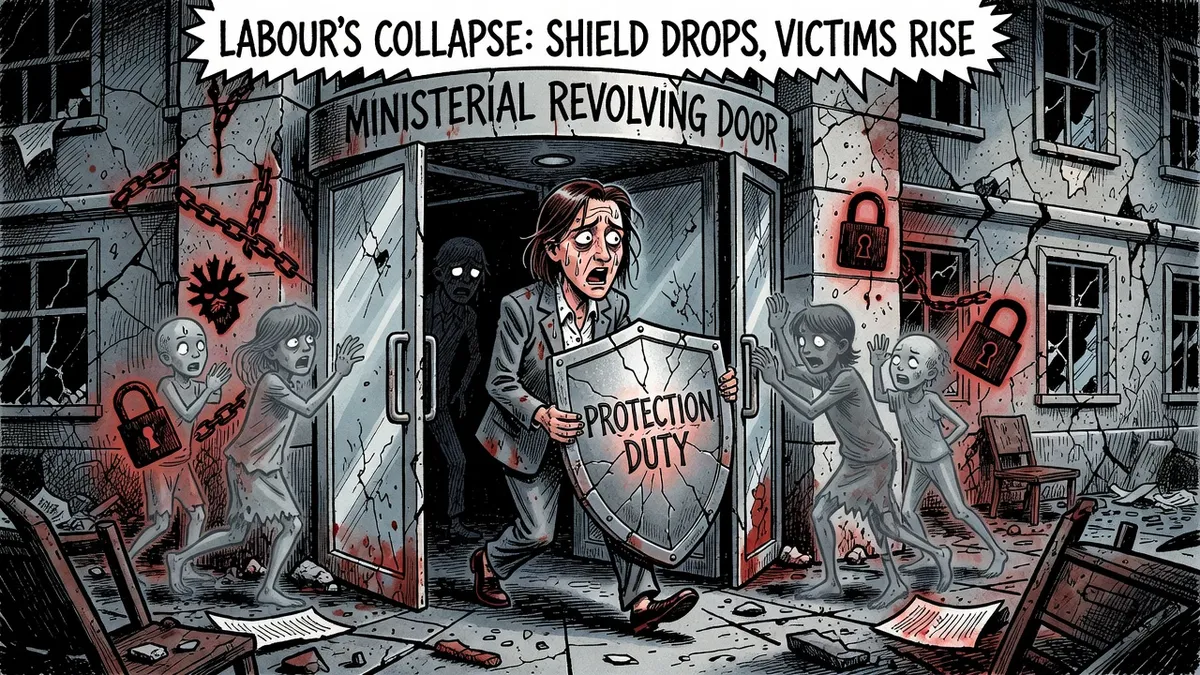
Labour minister cites trauma from grooming cases as reason for exit under third prime minister in quick succession
Natalie Fleet resigned as safeguarding minister after two months, citing the role’s exposure to extreme cases of abuse as making her physically ill. The Labour MP for Bolsover, who has described her own experience of being groomed and raped as a teenager, informed Prime Minister Andy Burnham’s team that she could not continue.
Fleet took the post on 12 May following Jess Phillips’s departure under Keir Starmer. Phillips had cited stalled progress on the brief. Fleet’s exit adds to the sequence of short tenures in a position responsible for policy on child exploitation and domestic violence.
Appointment and Background
Fleet was elected in July 2024 in a seat long held by Dennis Skinner. She had spoken publicly about weekly nightmares stemming from her teenage pregnancy after statutory rape. The government placed her in a role that requires direct oversight of cases involving grooming gangs, sexual violence, and failures in local authority protection.
She stated that hearing accounts of the worst human behaviour triggered her condition despite Home Office support. Victims require a minister operating at full capacity, she noted, yet the content proved incompatible with her history.
Pattern of Disruption
The safeguarding brief has now changed hands three times in under a year across two prime ministers. Starmer’s administration faced repeated complaints over delayed action on grooming inquiries. Burnham’s early reshuffle has produced another vacancy before any measurable shift in outcomes for at-risk children.
Official data on grooming gang prosecutions and local authority failings show persistent gaps in detection and removal of offenders. The 1971 Immigration Act and Article 8 claims continue to block deportations of convicted perpetrators in multiple documented cases.
Institutional Consequences
Ministers with direct personal experience of the issues they oversee create predictable points of failure when workloads involve repeated exposure to identical trauma. Selection processes that prioritise narrative fit over operational endurance leave critical functions exposed to rapid turnover.
This occurs against a backdrop of seven prime ministers in ten years and repeated ministerial exits across home affairs and justice portfolios. Continuity in addressing entrenched problems such as delayed rape prosecutions and under-prosecuted grooming networks has not materialised.
The pattern leaves safeguarding policy dependent on successive individuals who enter and exit without completing structural reforms. Ordinary citizens in affected areas receive no measurable improvement in protection standards or removal of known risks.
Commentary based on Natalie Fleet leaves 'triggering' safeguarding minister role at BBC News.
← Back to commentary