Schoolyard Ghosts Haunt Farage's Political Ascent
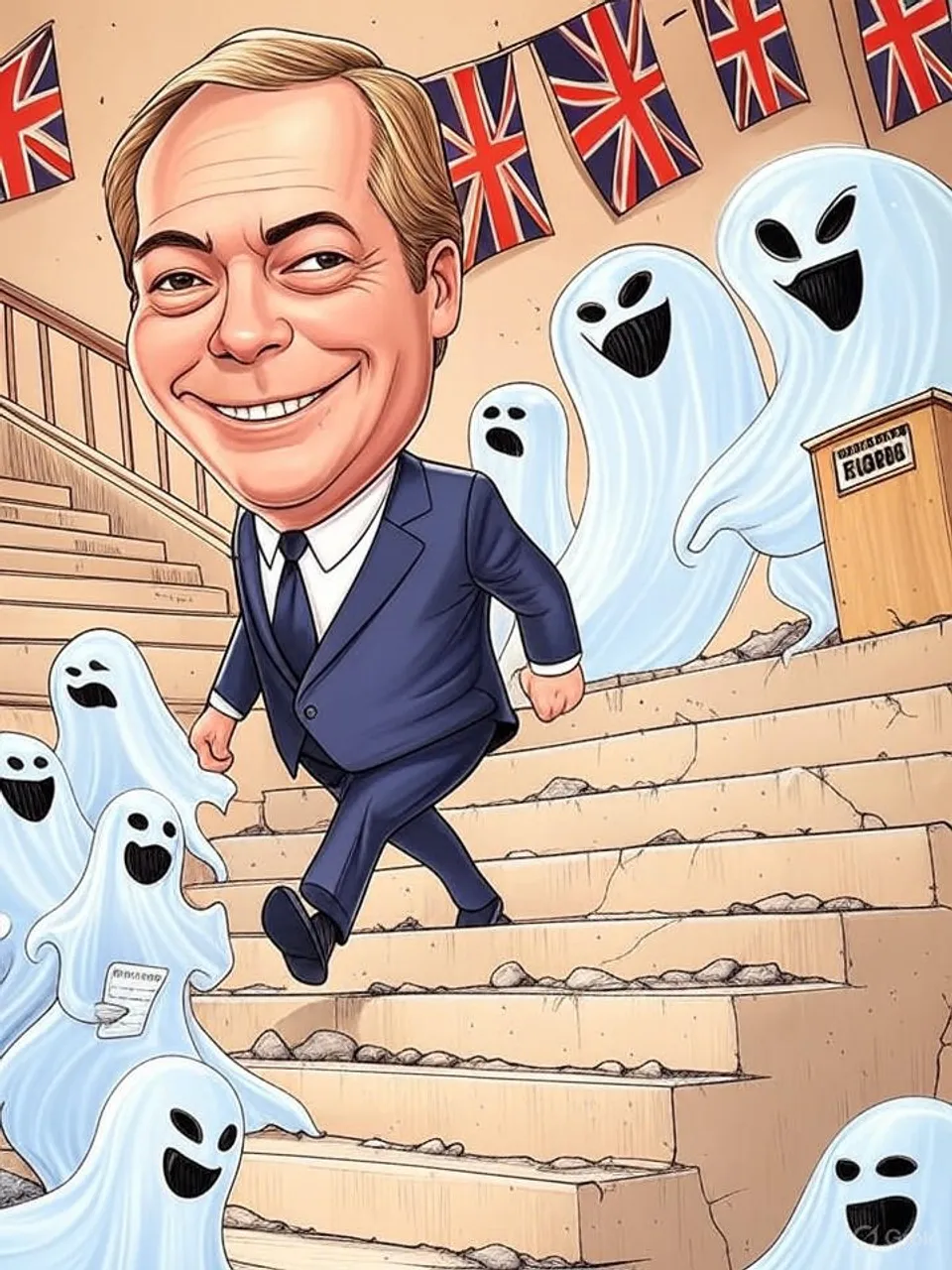
Over a dozen contemporaries allege racism at Dulwich College, denied amid Reform UK's poll lead
Allegations of teenage bigotry against Nigel Farage highlight media's selective historical scrutiny, diverting from policy failures and eroding trust in a polarized political arena. This pattern across parties sustains Britain's institutional decline.
Commentary Based On
The Guardian
‘Deeply shocking’: Nigel Farage faces fresh claims of racism and antisemitism at school
Allegations of teenage racism and antisemitism against Nigel Farage, now Reform UK’s leader polling ahead in national surveys, stem from over a dozen Dulwich College contemporaries. These accounts describe specific slurs like “Paki” and “Wog,” alongside simulated gas chamber sounds directed at Jewish pupils. Farage denies the claims outright, citing a lack of contemporaneous evidence from nearly 50 years ago.
The Guardian’s reporting relies on retrospective recollections, with no documents or witnesses from the 1970s to corroborate. Peter Ettedgui, a Bafta-winning director, recounts Farage growling “Hitler was right” at age 13, an incident he says triggered buried trauma linked to his family’s Nazi escape. Other pupils recall Farage targeting ethnic minorities at school gates, instilling fear in nine-year-olds.
Not all memories align. Some former classmates describe Farage as bumptious and attention-seeking but omit the offensive behaviors. This split underscores the unreliability of memory-based testimony, where selective recall shapes narratives decades later.
Farage’s response has evolved. Over a decade ago, he admitted to “ridiculous things… not necessarily racist,” depending on definitions. Now, legal letters reject any racist or antisemitic remarks, questioning the public interest in 40-year-old schoolyard incidents.
Reform UK’s spokesperson labels the allegations baseless, absent corroboration. Farage’s rising profile—his party leads polls and eyes Downing Street—amplifies such scrutiny, mirroring patterns seen in other leaders’ pasts. Yet the focus on adolescent antics diverts from policy substance.
Patterns in Political Vetting
Historical precedents abound. Boris Johnson’s schoolboy pranks, including staging mock crucifixions, drew similar retrospective fire without derailing his premiership. Tony Blair faced no such deep dives into his youth despite policy controversies.
This selective dredging reveals institutional biases in media and opposition tactics. Labour and Liberal Democrat figures, who have peddled their own inflammatory rhetoric, escape equivalent historical audits. The asymmetry erodes even scrutiny’s credibility.
Public trust suffers most. Polls show 60% of Britons distrust politicians overall, per Ipsos data from 2023. When leadership debates pivot to unprovable teenage taunts, voters disengage further from substantive issues like immigration costs, which hit £4.7 billion last year.
Farage’s lack of contrition, as critics note, fuels the cycle. He switched from partial admission to full denial, a tactic that prioritizes defensiveness over reflection. This mirrors broader political norms where accountability yields to narrative control.
Implications for Democratic Discourse
The article’s call for “moral clarity” from Farage assumes personal history dictates current fitness. Yet no evidence links these alleged incidents to his adult platform, which centers on verifiable policy failures like net migration exceeding 700,000 annually under multiple governments.
Such stories, while shocking in isolation, exemplify declining discourse. Media outlets like The Guardian amplify unverified claims to undermine rivals, while ignoring cross-party ethical lapses—Keir Starmer’s tenure at the Crown Prosecution Service oversaw controversial decisions without similar biographical exposés.
Citizens pay the price. Ordinary families grappling with housing shortages or NHS waits see debates mired in character assassination. This perpetuates a politics of division, where real decline—in productivity stagnant since 2008, or child poverty at 4.3 million—goes unaddressed.
The pattern endures across administrations. Reform UK’s surge reflects genuine discontent with establishment failures, yet dredging schoolyard ghosts risks alienating the very voters seeking change. Farage’s case exposes how personal vendettas masquerade as accountability, deepening institutional distrust.
In Britain’s fraying political fabric, these resurfaced allegations illuminate a core pathology: leaders judged not by governance records but by curated pasts. This obsession with adolescent sins distracts from systemic rot, where all parties share blame for unchecked migration, economic stagnation, and eroded cohesion. The uncomfortable truth persists—without evidence-based reckoning, the decline accelerates, leaving citizens to navigate a landscape of shadows rather than solutions.
Commentary based on ‘Deeply shocking’: Nigel Farage faces fresh claims of racism and antisemitism at school at The Guardian.