Simulation Warnings Ignored as UK Lacked Pandemic Testing Infrastructure
The Covid inquiry details how pre-2020 exercises flagged testing shortfalls yet no systems were implemented, forcing reactive measures and high costs during the outbreak.
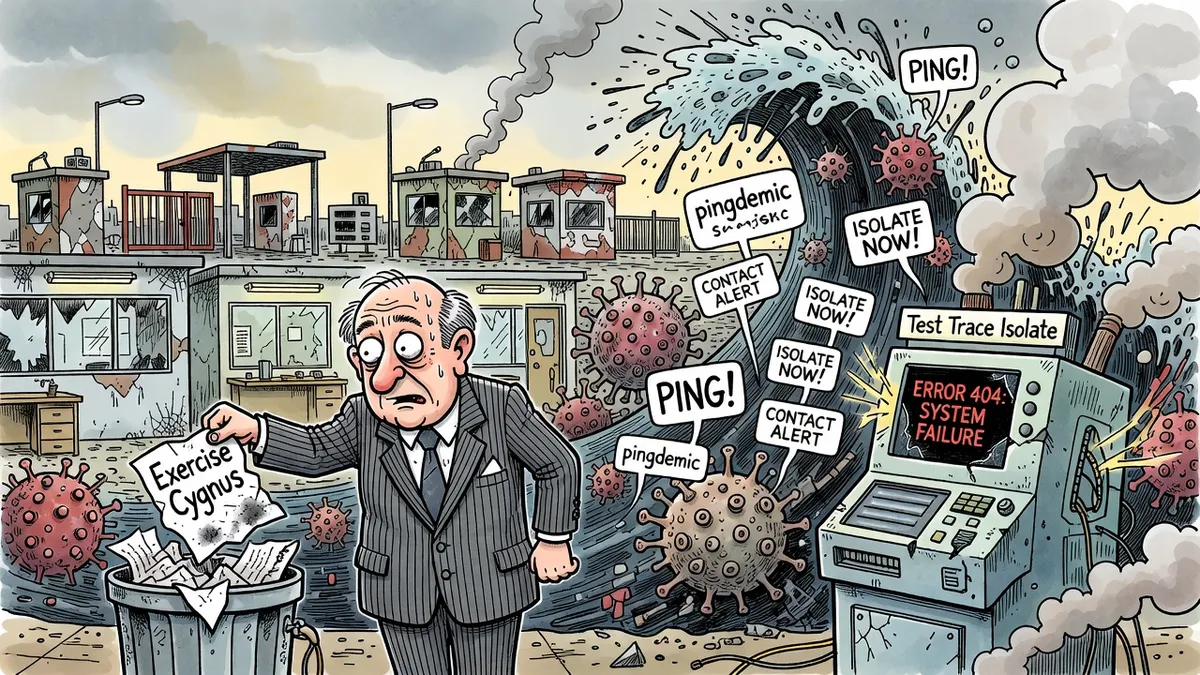
The Covid inquiry report documents that simulation exercises conducted in the years before 2020 identified shortfalls in testing capacity, contact tracing and isolation measures, yet the UK entered the pandemic without an operational system in place.
Exercise Cygnus and Exercise Alice both flagged problems with test, trace and isolate functions. Those findings produced no standing national capability. When community testing ended in March 2020, ministers and officials had no scalable alternative ready.
The four UK nations therefore operated without reliable data on transmission rates for several months. This absence of visibility shaped subsequent decisions on lockdowns and school closures. The inquiry notes that other countries with pre-built systems avoided the same blind spot.
Border measures delayed
Border controls remained limited until June 2020. The UK requested self-isolation only for arrivals from high-risk areas while most other nations had already suspended flights or closed routes. The report states this left the country in an extremely vulnerable position during the initial phase.
Early suspension of flights from China might have bought preparation time. That option was not taken. The lack of a clear border strategy formed one of several gaps that allowed wider community spread.
Support and compliance shortfalls
Compliance with isolation rules stayed below 50 percent in the early months. Financial support arrived late, with £500 payments introduced in England only from September. Practical assistance for shopping and medicines remained inconsistent.
Ministers later introduced fines up to £10,000. The report records that many people isolating felt forgotten and unsupported. Low adherence reduced the effectiveness of measures that were eventually applied.
Separate systems and later costs
Three separate contact tracing apps were developed across the UK nations. This duplication consumed time that could have gone into a single platform. Once NHS Test and Trace scaled up, more than £30 billion was spent across the UK on testing, tracing and isolating.
The inquiry states the eventual service performed effectively at volume. It also records that earlier investment in existing hospital, university and private facilities was not pursued. The delay meant harsher restrictions became necessary to compensate for missing infrastructure.
Recurring institutional pattern
The same sequence appears across multiple policy areas. Exercises produce reports. Recommendations receive limited follow-through. When crisis arrives, emergency spending and restrictions substitute for absent systems. Responsibility for the gap between simulation and implementation remains diffuse.
This report adds concrete detail to a longer record of preparedness shortfalls. The absence of standing capacity turned a manageable early phase into a more costly and disruptive response.
Commentary based on Covid inquiry report: key findings on testing, tracing and 'the pingdemic' at BBC News.
← Back to commentary