Southern Water Data Tampering Charges Surface After a Decade
Charges against the ex-Southern Water boss expose how regulators accepted falsified compliance data for years while discharges continued.
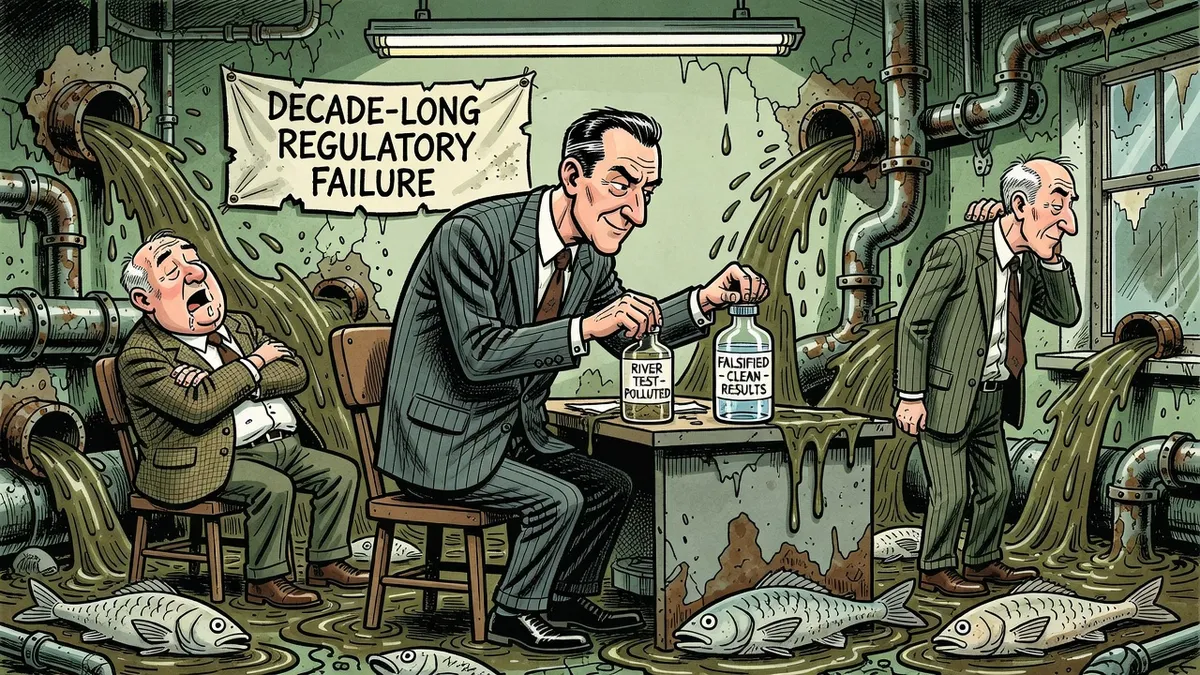
Former CEO Matthew Wright accused of rigging test results from 2012 to 2017
Southern Water’s former chief executive Matthew Wright now faces charges of conspiring to falsify water quality tests between 2012 and 2017. The Environment Agency alleges he and three others deliberately altered flows at treatment sites to avoid failing compulsory samples submitted to Ofwat and the regulator. A High Court judge described the scheme as carefully planned fraud at a high level, carrying potential sentences of up to ten years.
The incidents span five years of reported data. Prosecutors claim staff ensured zero flow during sampling visits at locations expected to fail environmental standards. Southern Water separately faces charges for breaching its own discharge permits over the same period.
These actions occurred while the company continued operating under existing regulatory oversight. No immediate enforcement halted the pattern at the time. Public records show repeated sewage discharges into rivers and coastal waters across southern England during those same years.
Delayed Accountability
The charges surfaced only after the defendants lost a legal bid to block them. Wright’s case reached court more than a decade after the first alleged manipulations. The Environment Agency called the ruling significant, yet the delay left the original test results in regulatory records unchallenged for years.
Southern Water has issued apologies for later pollution events, including plastic pellet spills on beaches. Such incidents follow the same pattern of enforcement after the fact rather than prevention. Water firms across the sector face similar public criticism over untreated discharges, with no structural change to liability rules that limit executive exposure.
Systemic Patterns
Privatised water companies operate under permits that require accurate self-reporting. When those reports can be altered without detection for extended periods, the permit system itself loses force. Successive governments have adjusted fines and sanctions without restoring independent verification capacity at the scale needed for daily compliance checks.
The current overhaul of sanctions arrives after the events in question. It does not address how regulators accepted manipulated data for five years or why site visits failed to detect flow interference. Ordinary households continue paying bills to companies whose operational records now carry proven fraud allegations.
This case shows how regulatory dependence on operator-supplied data creates persistent gaps. When enforcement trails the conduct by a decade, the incentive structure remains unchanged for current executives. The public receives the costs of pollution and the costs of remediation while accountability arrives too late to alter outcomes.
Commentary based on Ex-UK water boss charged in plot to 'manipulate' test results at CNA.
← Back to commentary