Staff Warnings Dismissed Before Multiple Nursery Failures
Reactive inspections and misleading ratings left safeguarding gaps unaddressed until after preventable harm.
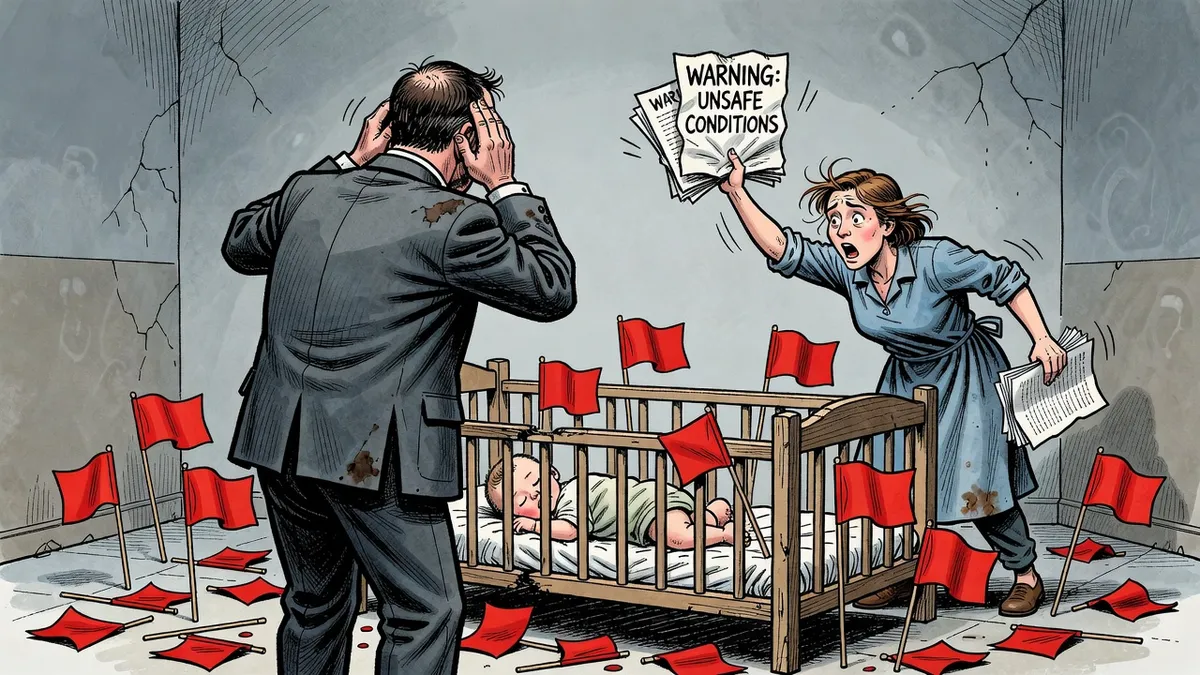
Ofsted retained 'good' ratings at sites later linked to child deaths and abuse convictions
Ofsted rated Fairytales Nursery “good” ten months before 14-month-old Noah Sibanda died there in 2022. Staff had wrapped the child tightly, placed him face down, and left him unmonitored for two hours. The same inspection had deemed safeguarding arrangements effective.
CCTV footage later showed multiple children at the Dudley nursery handled roughly and left in unsafe positions. Ofsted later acknowledged it had not examined sleeping routines in detail during the prior visit. The nursery closed after a subsequent inspection found babies and toddlers at serious risk.
Similar patterns appeared at larger chains. At Partou’s King Street Nursery in Bristol, a staff member reported Nathan Bennett holding children on his lap out of CCTV view months before his arrest. Management dismissed the concerns as imagination. Bennett later received a 30-year sentence for abusing five children aged two and three.
Partou nurseries received more than seven times the average number of Welfare Requirements Notices in the year after Bennett’s case. The chain operates over 100 sites. Bright Horizons faced parallel issues after Vincent Chan abused children at its West Hampstead location. Forty-six families are now pursuing legal action over dismissed complaints.
Inspection Shortfalls
Ninety-eight percent of England’s nurseries hold “good” or “outstanding” ratings. Routine inspections occur only every four years. Ratings often remain unchanged even when complaints or Welfare Requirements Notices accumulate between visits.
Dr Tammy Campbell of the Education Policy Institute notes that a “good” rating can coexist with complete safeguarding failure. The government response triples unannounced inspections to 3,000 per year and adds specific safe-sleep checks. These measures follow multiple child deaths and convictions rather than preceding them.
Reactive Oversight
Staff warnings preceded both the death at Fairytales and the abuse cases at Partou and Bright Horizons. In each instance, internal reporting systems failed to trigger removal or deeper scrutiny. External regulators only intensified action after criminal proceedings concluded.
The gap between observed ratings and actual conditions has persisted across multiple providers. Corporate manslaughter fines and suspended sentences have not altered the underlying inspection cycle or rating retention rules.
This case shows how oversight mechanisms register problems only after harm occurs. Ratings continue to signal safety while internal alerts are sidelined and inspection frequency remains low. Ordinary parents receive no reliable signal of risk until after incidents reach court.
Commentary based on Safe-sleep checks for nurseries as mum says son who died 'not treated as human' at BBC News.
← Back to commentary