Starmer Quotes £16 Billion OBR Hit, Skips Net £5-6 Billion Tally
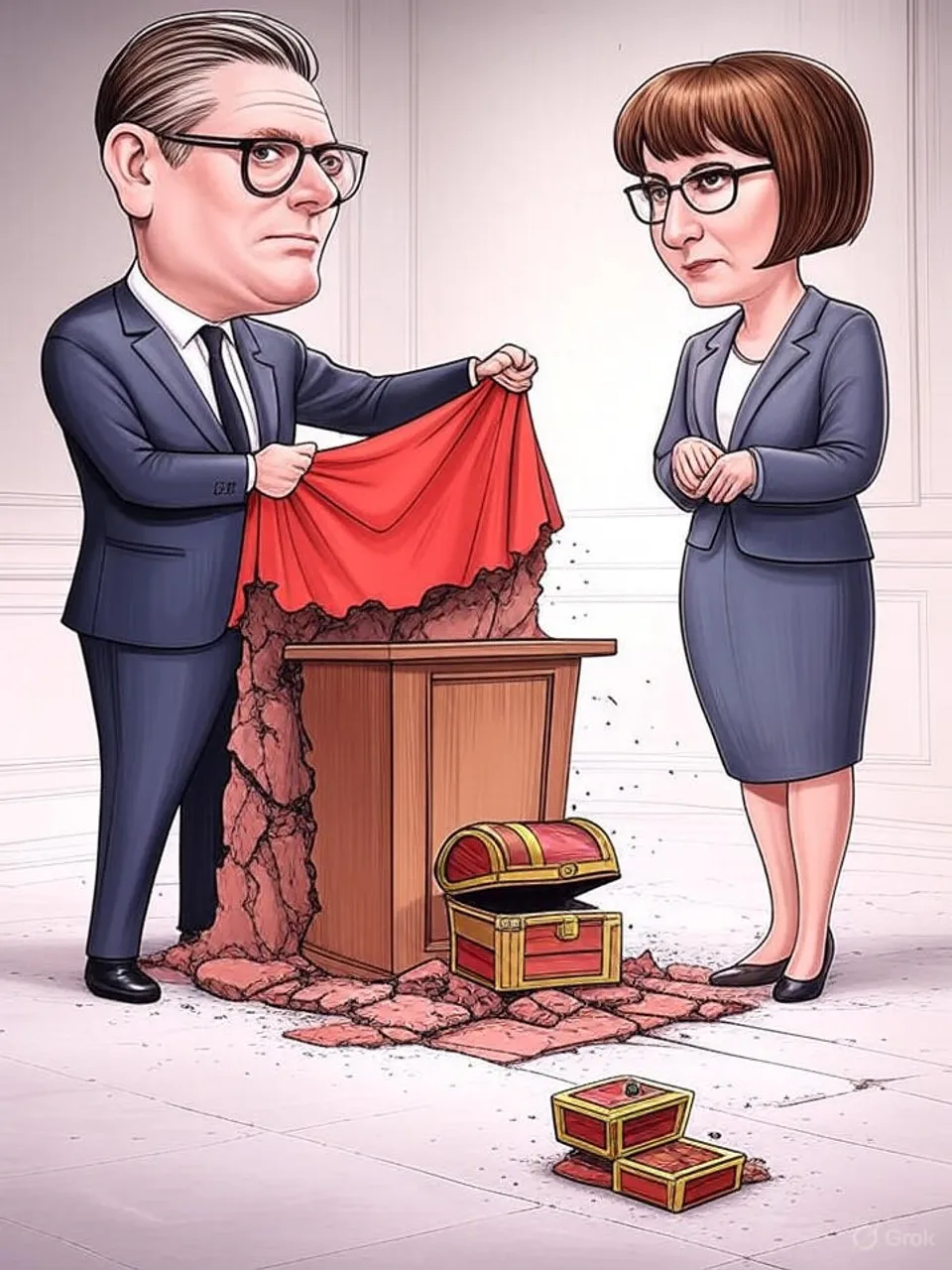
Productivity review offset by wages, yet welfare U-turns and headroom hikes forced £26bn tax rises
Keir Starmer blamed a £16bn OBR productivity hit for tax hikes, omitting offsets that cut the net impact to £5-6bn. Actual drivers: welfare reversals and doubled fiscal headroom, revealing choice over necessity.
Keir Starmer pinned last week’s tax rises on a £16 billion productivity shortfall flagged by the Office for Budget Responsibility. In reality, offsets from higher wage inflation and other factors trimmed the net fiscal damage to £5-6 billion. This selective emphasis distorts the budget’s true drivers.
Before the productivity review, Chancellor Rachel Reeves held £9.9 billion of headroom against her fiscal rule. That rule demands current spending, net of investment, stays below tax revenues once economic cycles adjust. A typical budget revision could erase such a slim margin, yet the full OBR assessment preserved most of it.
The productivity review did deliver bad news: weaker growth forecasts cut revenues by £16 billion. Summer leaks warned of this blow, fuelling tax rise speculation. Treasury officials braced for worse.
Offsets changed the equation. Wage inflation boosted tax receipts. Combined with other upward revisions, these gains neutralised over two-thirds of the hit.
Net result: a £5-6 billion dent. Against £9.9 billion headroom, this left breathing room. Tax hikes proved unnecessary to meet the fiscal rule.
Policy Choices Drove the Increases
Reeves raised taxes anyway. She reversed summer welfare reforms. Labour axed the two-child benefits cap.
These moves swelled spending demands. The government also targeted over £20 billion in headroom, doubling the prior buffer. Tax rises bridged those gaps.
Starmer’s press conference ignored this sequence. He repeated the £16 billion figure eight times. No mention of offsets or welfare U-turns.
Fiscal Narrative Patterns Emerge
This echoes prior budget communications. Reeves highlighted productivity weakness while downplaying wage offsets. Treasury officials later briefed markets on hidden headroom post-budget.
Such selectivity breeds opacity. Voters hear “we had no choice” from leaders who chose otherwise. Public finances bend to political priorities, not exogenous shocks.
Historically, UK chancellors maintained clearer headroom—often 2-3% of GDP. Blair-era surpluses topped £20 billion in today’s terms. Post-2008, deficits ballooned regardless of party.
Ordinary Impacts Mount
Taxpayers face £26 billion in hikes, including employer National Insurance jumps. Private pensions lose £56 billion to fiscal drag. Welfare spending climbs to 25% of the budget.
Young workers emigrate amid stagnant productivity. Public sector pensions escape untouched. The two-tier system deepens.
Institutions collect data but leaders cherry-pick it. OBR forecasts bind fiscal rules, yet narratives decouple from full verdicts.
Trust in economic stewardship erodes. Polls show 60% doubt budget honesty. Cross-party repetition—from Osborne’s austerity framing to Sunak’s furlough spin—cements the cycle.
UK decline accelerates through such gaps. Governments of all stripes prioritise spending pledges over transparent trade-offs. Tax burdens hit 37% of GDP, highest in decades, while services decay.
Starmer’s budget defence exposes the core pathology: power excuses policy via partial facts. Britain pays higher taxes for chosen expansions, not unavoidable holes. Accountability remains theoretical as decline compounds.
Commentary based on Is Starmer continuing to mislead public over the budget? at Sky News.