Static Revenue Models Offered as Structural Fix
Left advisers propose wealth taxes and service expansions for Burnham without reconciling past shortfalls in yield or delivery.
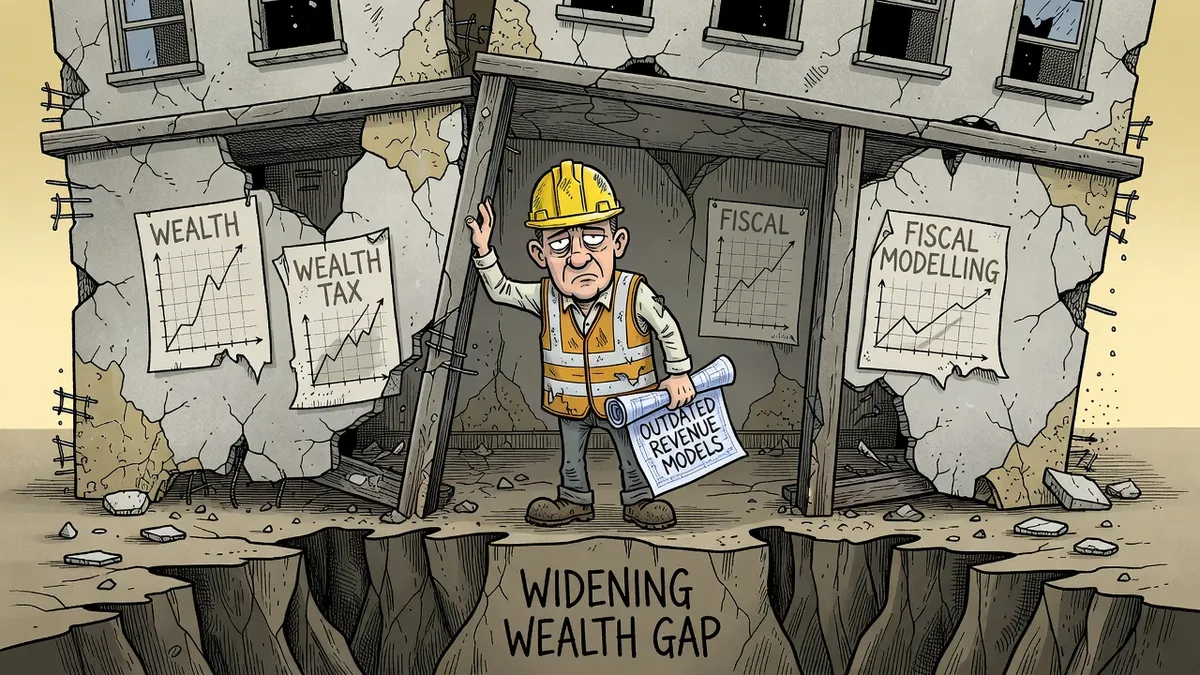
Compass menu projects £35bn from wealth and property levies while bypassing behavioural and capacity evidence
Left-wing advisers have presented Andy Burnham with a menu of tax increases and spending commitments as the route to ending four decades of policy failure. The Compass report lists a wealth tax on assets above £10 million, equalisation of capital gains and income tax rates, and replacement of council tax with a proportional property levy. These measures are said to raise £35 billion annually while funding free personal care and expanded childcare.
The projections rest on static assumptions. A £24 billion yield from the wealth tax and £11.3 billion from capital gains equalisation are presented without adjustment for behavioural responses. The Institute for Fiscal Studies has previously noted that similar rate alignments have prompted asset relocation and reduced investment in past UK episodes.
Historical Precedents Ignored
Britain has tested comparable wealth and property taxes before. Annual wealth levies introduced after 1974 were repealed within a decade after net receipts fell short of forecasts and administration costs rose. Council tax itself replaced the poll tax precisely because banded property values created persistent regional distortions, the same pattern now expected to intensify under the proposed proportional replacement.
The report’s authors acknowledge that 23 percent of households, concentrated in London and the south-east, would face higher bills. They offer no corresponding data on migration effects or local revenue stability once higher-rate payers adjust portfolios or residency.
Delivery Constraints
Free personal social care funded by an income-tax surcharge on those over 40 is projected to cost £8–9 billion. Scotland’s existing model shows that accommodation costs remain with individuals, yet demand pressures have still produced waiting lists and local authority shortfalls. No mechanism is supplied for capping future expenditure growth once the service becomes an entitlement.
Energy network nationalisation is listed alongside regional boards. Past state-owned utilities operated under chronic under-investment until privatisation in the 1990s; current grid constraints stem from planning delays and subsidy design rather than ownership form alone.
Accountability Patterns
The document frames these options as a menu rather than commitments. Ministers retain the ability to adopt revenue measures while deferring or diluting spending pledges. Previous Labour administrations followed similar sequencing, with fiscal rules adjusted after the fact when borrowing targets slipped.
No section examines enforcement capacity within HMRC or the Treasury’s record on forecasting tax elasticities. The pattern across multiple governments has been optimistic static scoring followed by repeated downward revisions once legislation takes effect.
These proposals arrive against documented shortfalls in public service outputs, infrastructure delivery, and productivity growth. They extend the same revenue-and-entitlement framework that successive administrations have applied without reversing the underlying trends in living standards or state capacity.
Commentary based on Burnham urged to tackle inequality with policies including wealth tax at the Guardian.
← Back to commentary