Teen Employment Dwindles to One in Five
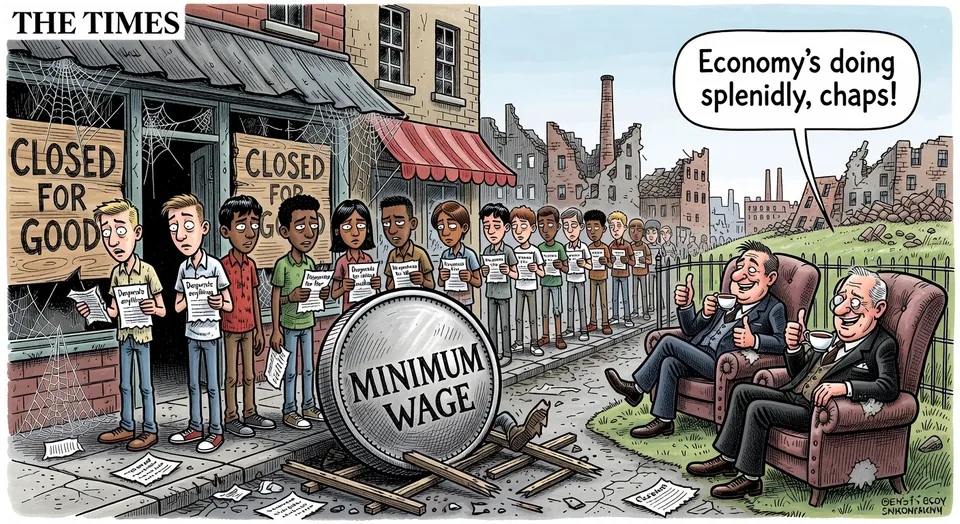
73% wage rise since 2021 squeezes 16- and 17-year-olds from part-time roles
Only 20% of UK 16- and 17-year-olds hold jobs amid record youth unemployment and surging business costs. Cross-party minimum wage hikes exclude teens, perpetuating an experience trap and eroding social mobility.
Only one fifth of 16- and 17-year-olds hold jobs, according to the latest UK Labour Force Survey data covering November 2024 to January 2025. Teenagers describe weekend and Saturday roles as impossible to secure, trapped in a cycle where employers demand prior experience they cannot obtain. Businesses acknowledge the value of young workers but cite mounting costs as the barrier.
National Minimum Wage for under-18s rises to £8 next month. This marks a 73% increase from £4.62 in April 2021. Cross-party governments enacted these hikes without corresponding productivity gains.
Cafe owner Neil Wyatt hires teenagers for their energy and commitment. His South Downs Social has employed many over five years. Yet he warns of added risks: more training time for novices amid shrinking margins.
Food costs rose 25% in three years. Energy bills climbed 35%. National Living Wage jumped nearly 40%. Employers opt for full-time adults over part-timers needing hand-holding.
Youth unemployment for 18- to 24-year-olds stands at 16%, the highest in a decade. This floods traditional teen sectors like hospitality and catering. Professor Conor O’Kane notes 16- and 17-year-olds face stiffer competition from older jobseekers.
Unemployment hits 29% among 16- and 17-year-olds, separate from economic inactivity. Half of both youth groups remain in full-time education, with 30% of those also working. The rest search fruitlessly or drop out entirely.
Cost Pressures Mount
Decades of energy policy failures amplify these strains. Import dependence leaves firms exposed to global shocks, as gas prices doubled recently from Middle East tensions. Businesses absorb hits rather than hire unproven teens.
Minimum wage policies span governments. Conservatives raised it annually from 2015. Labour pledged further increases. None paired rises with youth apprenticeship incentives or tax relief for entry-level hires.
Teenagers like Megan and Elsebeth apply online en masse. They receive no replies. Mavi landed work through family connections, a path unavailable to most.
Experience Trap Tightens
No first job means no CV entry. Non-profits like The Platform Project urge “micro experiences” and video pitches. These workarounds highlight a failed system where official pathways collapse.
Historically, teenage jobs built skills and networks. Data from earlier decades show higher part-time employment rates. Social mobility flowed from early pay packets.
Today, 80% of 16- and 17-year-olds sit outside the workforce. This locks a generation from foundational experience. Future employability erodes as gaps widen.
Employers benefit from a larger adult pool. Governments tout wage floors as fairness wins. Teens pay the price in stalled starts.
Institutions prioritize adult protections over youth entry. No party reverses the squeeze. Productivity stagnates, costs balloon, and opportunities vanish.
This exposes a labour market rigged against the young. Cross-party wage escalations without economic growth bar teenagers from work. Britain’s decline now claims its next generation’s foothold.
Commentary based on Teenagers say weekend and Saturday jobs are 'impossible' to find at BBC News.