Telegraph Erects VPN Barriers to Its Own Reporting
The Telegraph blocks VPN users from its site, forcing readers to disable privacy tools amid UK surveillance laws. This reveals media priorities favoring revenue over reach, fracturing public access to information.
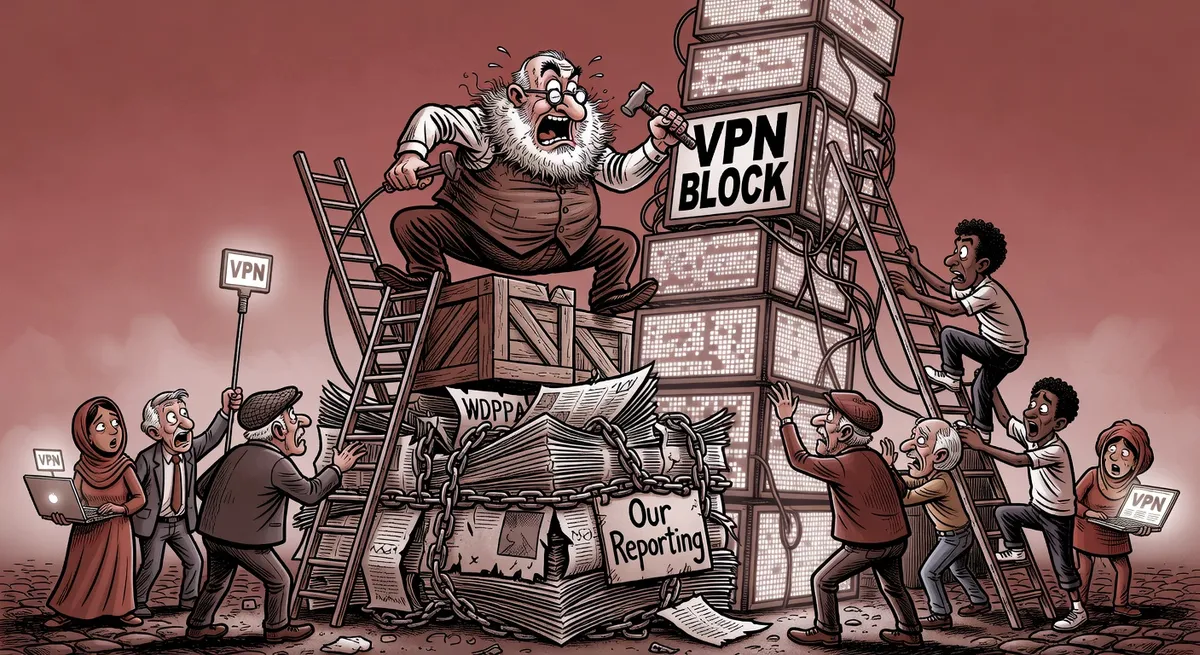
Security demands privacy surrender for news access
The Telegraph denies website access to anyone using a VPN, flagging standard privacy tools as “unusual activity.”
Its security page demands users disable VPNs, switch browsers, or swap devices to proceed.
This setup confronts readers with a direct trade-off: news access or online anonymity.
VPN adoption in the UK climbed past 30% of internet users by 2023, driven by data from Statista surveys tracking privacy fears post-Snowden.
The Investigatory Powers Act 2016 mandates bulk data retention, pushing citizens toward VPNs for basic protection against state surveillance.
Yet the Telegraph, a self-proclaimed defender of civil liberties, instructs readers to abandon these tools.
Akamai, the US firm powering the block, deploys bot-detection that ensnares legitimate VPN traffic.
TollBit’s token requirement adds another layer, rejecting connections without proprietary authorization.
Newspapers outsource digital defenses to foreign tech giants, prioritizing ad revenue over reliable public access.
Revenue Over Reach
Paywalls already limit Telegraph content to 100,000-plus subscribers, per its own filings.
VPN blocks compound this, throttling non-paying or privacy-focused audiences.
Circulation fell 40% since 2015, Press Gazette data shows, as digital ad models crumble under tech duopoly pressures.
UK print media revenue shrank £1.3 billion in the last decade, per Enders Analysis.
Institutions once sustained by broad readership now fortify against it.
Surveillance Catch-22
British authorities logged 3 million data requests under RIPA successors last year, Home Office stats confirm.
Citizens adopt VPNs to evade profiling, only to trigger media blacklists.
The Telegraph’s response echoes government priorities: security trumps scrutiny.
This isolates dissenters who value encryption amid rising online extremism probes.
Police accessed journalist metadata 700 times in 2022 alone, per IPT rulings.
Institutional Pathology
Media outlets enforce the same compliance logic they critique in Whitehall.
No accountability attaches to these barriers—no public rationale, no opt-outs for verified users.
Contrast with 1990s broadsheets: free online previews built mass engagement.
Today’s model fragments audiences into silos, eroding shared facts.
Public Discourse Fractures
Ordinary readers juggle workarounds or surrender data for headlines.
Low-income households, least able to subscribe, face total exclusion.
Ofcom reports 25% of UK adults now distrust news sources, correlating with access hurdles.
VPN blocks accelerate this, as privacy advocates self-select out.
Information asymmetry widens: elites subscribe seamlessly, masses scrape summaries.
The Core Revelation
UK media clings to obsolete revenue streams through aggressive gatekeeping.
This incident exposes how information flows constrict under commercial and technical pressures.
Cross-party surveillance expansions since 2010 normalized the VPN dependency now punished by press defenses.
Citizens pay twice: privacy eroded by state, access denied by outlets.
Britain’s public sphere shrinks not through overt censorship, but layered technical exclusions that reward compliance.
The uncomfortable truth endures across administrations: institutional self-preservation outranks open discourse, consigning scrutiny to the margins.
Commentary based on Access Issue Help at The Telegraph.
← Back to commentary