Telegraph's Security Lockout Hits VPN Users
The Telegraph demands VPN disabling for site access, forcing privacy compromise on readers it urges to fear state tracking. This reveals media revenue trumping journalistic duty in a surveilled nation.
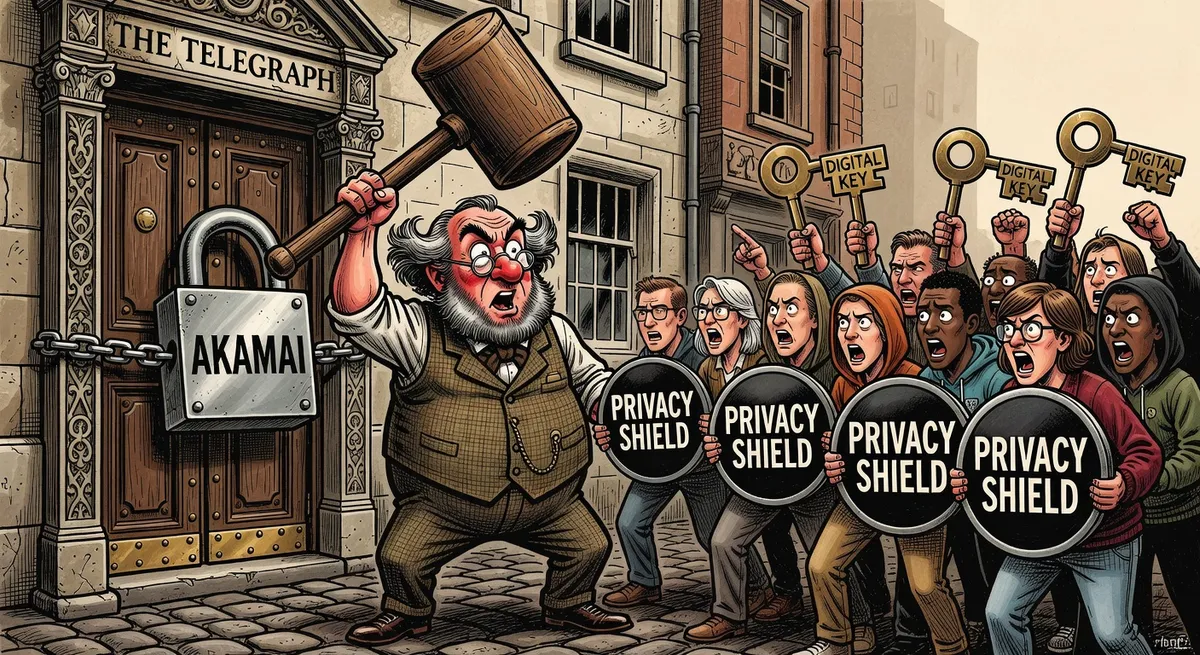
Akamai blocks mask basic privacy amid UK surveillance laws
The Telegraph’s homepage vanishes for anyone using a VPN. Security systems from Akamai flag the connection as “unusual activity.” Readers must disable privacy tools to regain access.
This blocks a core defense against tracking. VPNs mask IP addresses, shielding users from surveillance. The paper demands surrender of that shield.
Instructions spell it out. Disconnect the VPN client. Switch to Chrome, Safari, or Firefox from a mobile or different PC.
Failure prompts a support ticket. Users quote an Akamai reference number. TollBit tokens enforce paywalls, but VPN detection precedes them.
Surveillance Context
UK law mandates data retention under the Investigatory Powers Act. Bulk interception captures communications metadata. Citizens turn to VPNs for basic protection.
The Telegraph reports on these powers. It covers police access to browsing histories without warrants. Yet its own site forces exposure.
This contradiction undercuts credibility. A outlet scrutinizing state overreach now aids circumvention detection.
Corporate Priorities Prevail
Akamai provides the blocking tech. Global firms like it partner with governments for threat intelligence. Revenue from secure delivery trumps user anonymity.
The Telegraph cites no security breach justification. No malware alerts or hack attempts mentioned. Blanket VPN bans serve ad targeting and regional locks.
Print editions faced no such gates. Digital shift prioritizes metrics over universal reach.
Access Fractures Deepen
VPN use surges in the UK. Polls show 30% of adults employ them amid data scandals. Exiles, journalists abroad, and dissidents rely on them most.
Blocking isolates these groups. Rural users with throttled ISPs or censored networks face exclusion. Information flows unevenly.
Paywall subscribers pay extra. They trade privacy for content. Free readers hit the wall first.
Patterns in Media Conduct
Other outlets follow suit. The Times and Guardian deploy similar detectors. BBC iPlayer geoblocks aggressively.
This aligns with ad ecosystems. Trackers from Google and Meta demand real IPs. Anonymity disrupts personalised pitches.
UK press freedom rankings slip. Reporters Without Borders notes digital barriers. Self-imposed walls compound state controls.
Cross-party governments expanded surveillance since 2016. Labour and Conservatives renewed the IP Act. Media rarely challenges enforcement tools now embedded in browsers.
Implications for Discourse
Citizens lose unfiltered news access. VPN-free browsing normalises exposure. Habits form around compliance.
Journalistic independence erodes. Papers dependent on tech giants prioritise uptime over principles. Akamai’s ref IDs track complaints.
Ordinary readers adapt. They disable tools, risking profiling. Elites with proxies evade, but masses comply.
The gap widens. Informed debate fragments into siloed streams.
This exposes media’s pivot from public service to gated commerce. In a surveilled UK, newspapers fortify their own moats against privacy. Access to scrutiny demands self-betrayal, accelerating institutional distrust and civic withdrawal.
Commentary based on Access Issue Help at The Telegraph.
← Back to commentary