Threats Prompt Councillors to Fortify Homes and Weigh Resignation
Survey of over 1,500 councillors finds 78% feel at personal risk, with 52% reporting increased abuse. Women, ethnic minority and LGBTQ+ members show higher rates of considering departure.
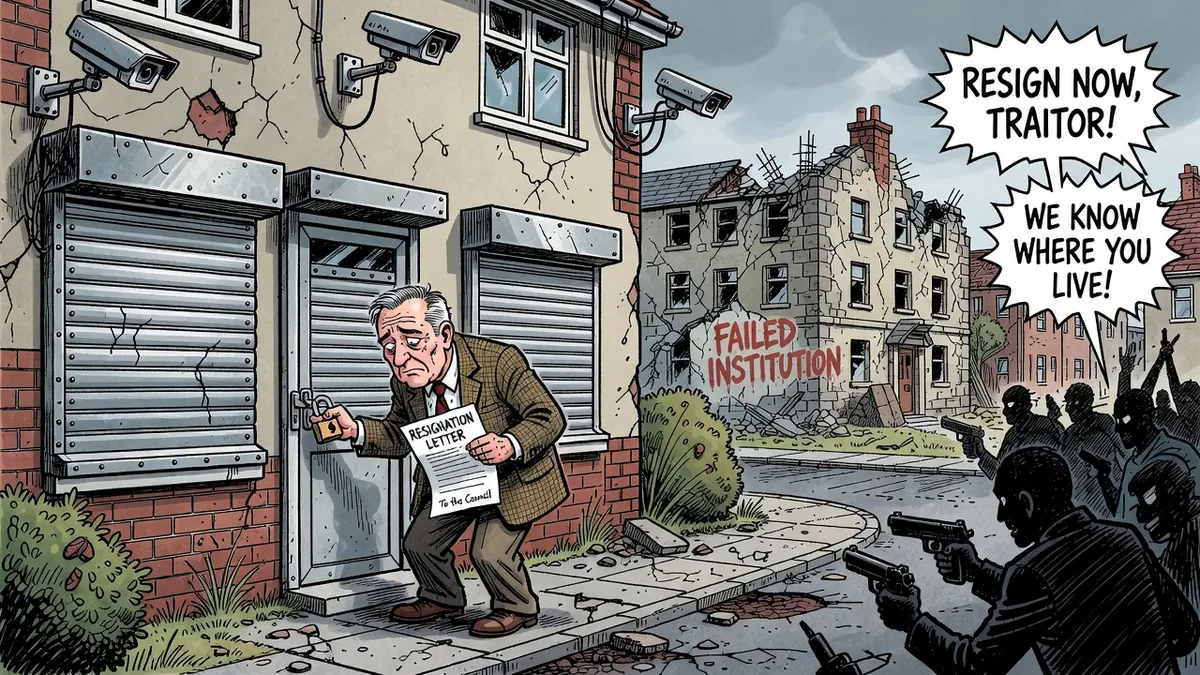
Councillors report installing cameras, panic alarms and tracking apps after receiving death threats, rape threats and street harassment. A Local Government Association survey of more than 1,500 elected members found 78 percent now feel at personal risk while carrying out their duties. Over a third have already altered their homes for security.
The same survey recorded 52 percent of respondents stating that abuse and intimidation have increased in the past year. A quarter said they had received threats of violence, and 7 percent had received a death threat. Women, ethnic minority and LGBTQ+ councillors reported higher rates of influence on their decisions to stand down.
Participation Effects
Thirty-eight percent of women considering leaving office cited abuse as the reason, compared with 23 percent of men. Among ethnic minority councillors the figure reached 43 percent, and among LGBTQ+ councillors it stood at 41 percent. These groups already represent smaller shares of local elected bodies.
Home modifications now include electric gates, sealed letterboxes, reinforced doors and, in some cases, relocation. Several councillors described periods of several months when they avoided leaving their properties unaccompanied. The pattern shows ordinary citizens turning public service into a guarded activity.
Institutional Response
Police forces have assigned elected official advisers in each area, and councillors no longer need to publish home addresses online. The Local Government Association has called for formal agreements with government, police and social media platforms. These measures address symptoms after participation has already declined.
No data in the survey tracks conviction rates or the effectiveness of the new adviser roles. The response therefore remains procedural while the recorded incidents continue to rise.
Broader Pattern
Local councils manage planning, social care, waste and local taxation with limited central funding and rising statutory duties. When experienced members exit and recruitment narrows, decision-making capacity narrows with them. The survey data indicates the pool of willing candidates is shrinking fastest among the very groups local government claims to want to attract.
This outcome fits repeated observations across UK institutions: formal structures persist while the human willingness to operate them erodes. The result is thinner representation, slower responses to local problems and greater distance between residents and the bodies that set their council tax and planning rules.
The survey records a measurable retreat from local office under sustained personal pressure. That retreat reduces the number of people prepared to absorb the costs of holding elected positions at the level closest to daily services.
Commentary based on ‘A man threatened to shoot me’: the abuse pushing UK councillors out of politics by Jessica Murray on the Guardian.
← Back to commentary