Three Months from Boat to Rape, Lessons Replace Lockup
A 14-year-old Channel migrant rapes a schoolgirl, boasts online, but avoids jail for awareness sessions. This reveals systemic failures in vetting, placement, and youth sentencing that endanger citizens across governments.
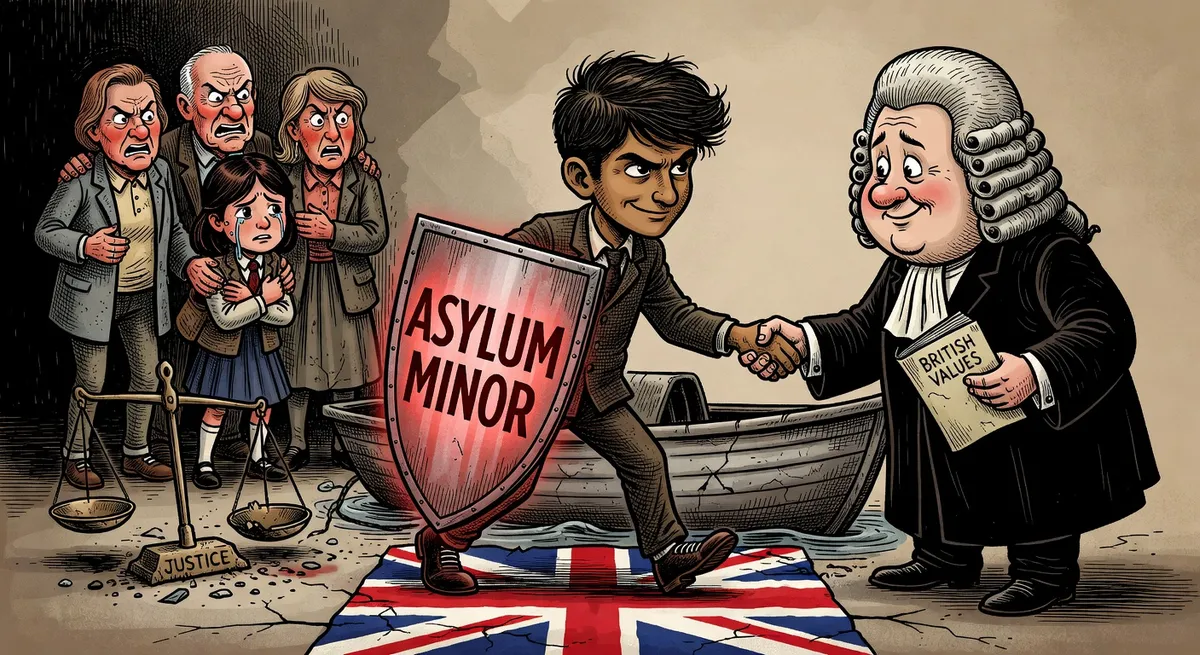
Iranian minor's conviction ends in consent classes amid family outrage and deportation blocks
A fourteen-year-old Iranian migrant crossed the Channel by small boat last June. Three months later, he raped a schoolgirl near a skate park and boasted about it on social media. Courts convicted him of rape and two sexual assaults but sentenced him to consent lessons instead of custody.
The boy arrived as an unaccompanied minor. Authorities placed him in foster care and enrolled him in a local school. No safeguards prevented contact with the victim, who attended the same school.
Prosecutors detailed the attack. The boy forced the girl into bushes, ignored her pleas of “get off me” and “no,” then overpowered her. Hours later, he posted online without remorse.
Sentencing followed youth justice norms. Custody serves as a last resort for under-18s, with no fixed rape guidelines. Similar-aged offenders have received up to four years detention, but this case opted for “understanding consent, boundaries, and victim awareness” sessions plus a two-year exclusion zone.
The victim’s family called the outcome a “total joke.” They see no punishment or deterrent. The rapist remains free while the girl bears lifelong trauma.
Tory MP Chris Philp demanded custody for rapists. He blamed Labour’s border control. Labour’s Home Office called the crime “sickening” but deferred to judicial independence and promised deportation when possible.
Deportation faces barriers. Unaccompanied child asylum seekers gain extra protections. Britain deems Iran unsafe for returns, blocking removal.
This follows patterns in migrant crime data. Unaccompanied minors, often male teens, enter via small boats without vetting. Over 10,000 arrived last year, many placed in communities with limited oversight.
Border Placement Risks
Foster care and school placements expose locals to unvetted arrivals. Cases link boat migrants to assaults, including Taliban-linked offenders in asylum hotels. Systems fail to segregate high-risk entrants.
Cross-party governments sustain the inflows. Tories cut small boat crossings temporarily but left backlogs. Labour now inherits 30,000 hotel-housed claimants amid persistent arrivals.
Justice Prioritises Offenders
Youth courts shield minors from custody to avoid “trauma.” Victims receive no equivalent weight. Rape convictions yield rehabilitation over retribution, even post-boastful posts.
Previous cases mirror this. A small boat migrant kidnapped and assaulted a girl after Taliban ties. Retail assaults and youth mobs evade arrests amid enforcement collapse.
Public safety erodes. Families hide Jewish symbols amid 3,700 hate incidents. Shoplifting surges 133 percent with one-in-20 charges.
Institutions repeat failures. Vetting skips threats. Sentencing ignores deterrence. Deportation stalls on legal hurdles.
Ministers promise action but deliver plans. Police probe without arrests. Courts educate without confinement.
This case exposes the sequence: unchecked Channel entry, rapid community integration, violent crime, lenient penalty, stalled removal. Ordinary citizens face the risks; power structures absorb no costs.
Britain’s youth justice and border systems prioritise migrant protections over citizen security. Rape yields lessons, not lockdown. The decline accelerates as deterrence vanishes and inflows continue.
Commentary based on Iranian migrant, 14, avoids jail after being convicted of raping schoolgirl as victim’s family left ‘furious' at GB News.
← Back to commentary