NHS
Nurses Clock In Despite Collapse
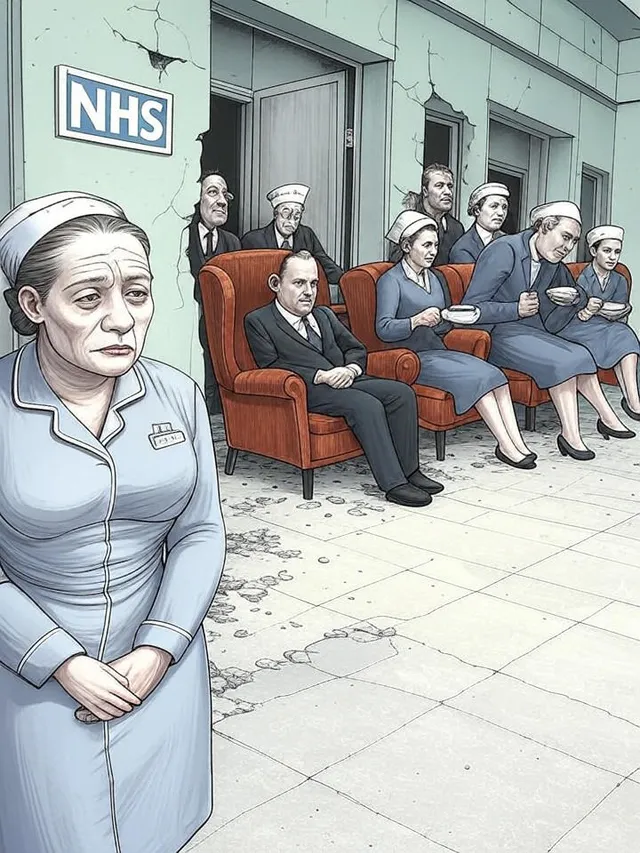
A surge in nurses working unwell exposes NHS understaffing's toll, with stress up 15 points since 2017. Cross-party failures lock in a broken system, eroding care and workforce resilience.
Facts first. Parties second.
19 articles
NHS
A surge in nurses working unwell exposes NHS understaffing's toll, with stress up 15 points since 2017. Cross-party failures lock in a broken system, eroding care and workforce resilience.
prison overcrowding
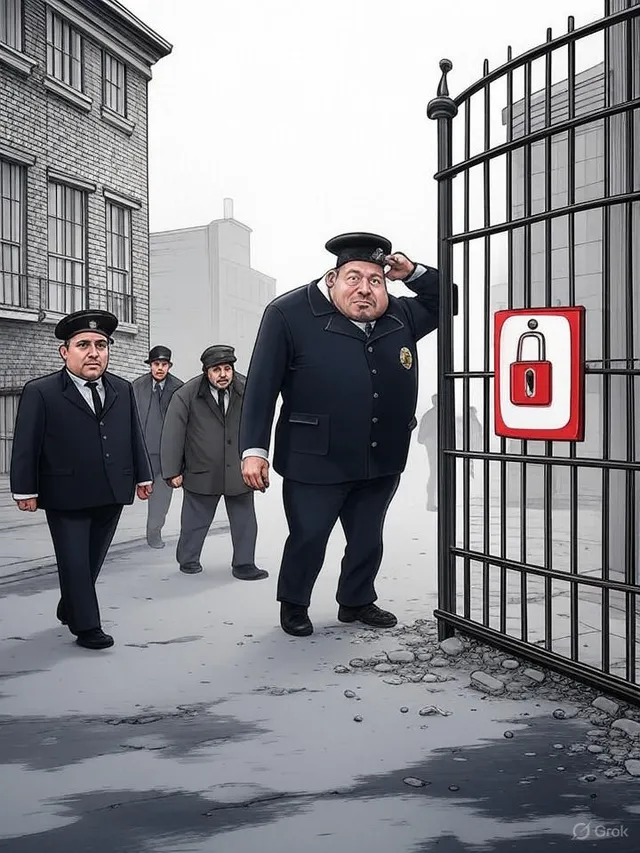
Erroneous prisoner releases have doubled to 262 in England and Wales, leaving four at large amid overcrowding and administrative failures that expose deep flaws in the justice system inherited across governments.
Water Crisis
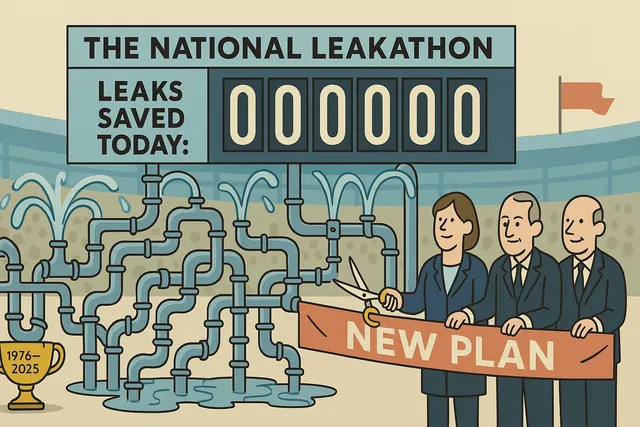
Britain is facing a drinking water crisis that experts have warned about for nearly half a century. Despite repeated droughts and clear predictions, the government's response has been inadequate, with infrastructure leaking vast amounts of water daily. This crisis is not sudden but the result of decades of institutional failure across multiple governments.
IMF
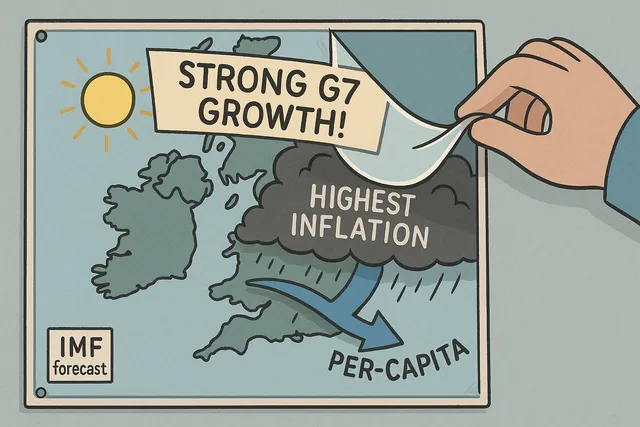
The IMF forecasts Britain will have the second-strongest economic growth in the G7 this year. But it also predicts Britain will have the highest inflation and the weakest per-capita growth next year. This is not a contradiction. This is a symptom of deeper institutional problems.
PPE Medpro
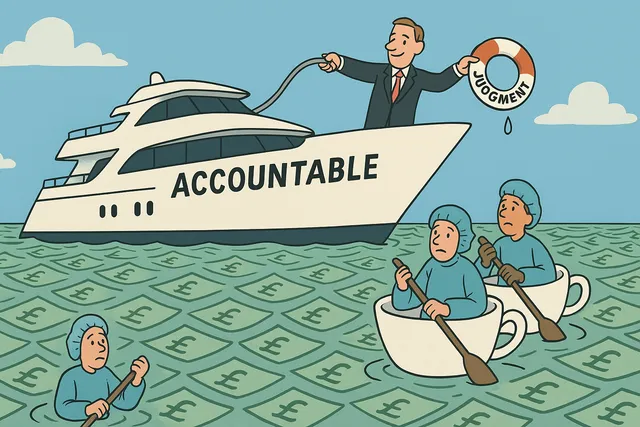
David Conn's investigation into the PPE Medpro scandal reveals how Britain's institutions have been structured to ensure that certain individuals can profit from public money without facing consequences. The recent high court judgment ordering PPE Medpro to repay £122 million for defective medical gowns highlights a system where winning in court often means losing money for taxpayers.

Asylum Policy
The Home Office's asylum accommodation contracts, initially valued at £4.5 billion, are now projected to cost £15 billion. Clearsprings Ready Homes founder Graham King has made £187 million in profits, becoming a billionaire, while asylum seekers in his hotels face inadequate food and rationed hygiene products. This isn't just a failure of policy—it's a symptom of Britain's institutional decay.
Thames Water
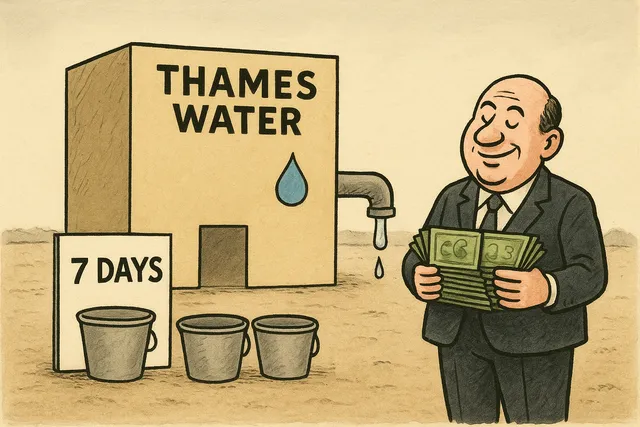
Thames Water's £518 million desalination plant, built to secure London's water supply, has produced a mere seven days' worth of water over 15 years. This exposé reveals how the plant, plagued by operational failures and exorbitant costs, serves more as a financial asset for debt accumulation than a functional piece of infrastructure. As the company seeks another £535 million for a new project, the story highlights the systemic issues in Britain's privatised water industry, where public service is secondary to wealth extraction.

UK Politics
As the UK struggles with record illegal migration and asylum backlogs, Keir Starmer's proposal for mandatory digital ID cards for all working adults reveals deeper issues of governmental incompetence and authoritarian overreach. This analysis explores the implications for civil liberties and the future of British democracy.
Public Benefits
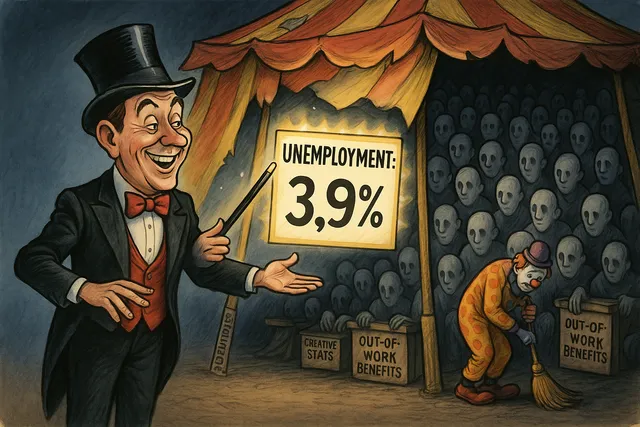
Based on Fraser Nelson's investigative piece, this article covers the staggering reality of 6.5 million working-age Britons on out-of-work benefits, a figure obscured by official statistics and institutional obfuscation. It explores the systemic failures that allow such a vast portion of the population to remain economically inactive while the government touts low unemployment rates, revealing the deep contradictions and social consequences of Britain's welfare state.

Motability
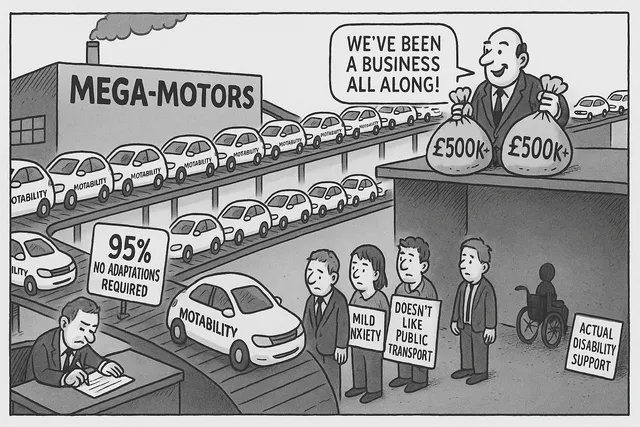
The Adam Smith Institute's investigation into the Motability scheme uncovers a staggering £8.1 billion annual expenditure on brand-new cars for welfare claimants, far exceeding essential public services budgets. This exposé reveals how a program initially designed to assist wheelchair users has ballooned into an unaccountable monopoly, purchasing one in five new cars sold in Britain, while eligibility criteria have been drastically expanded to include conditions like anxiety and depression.
UK Politics
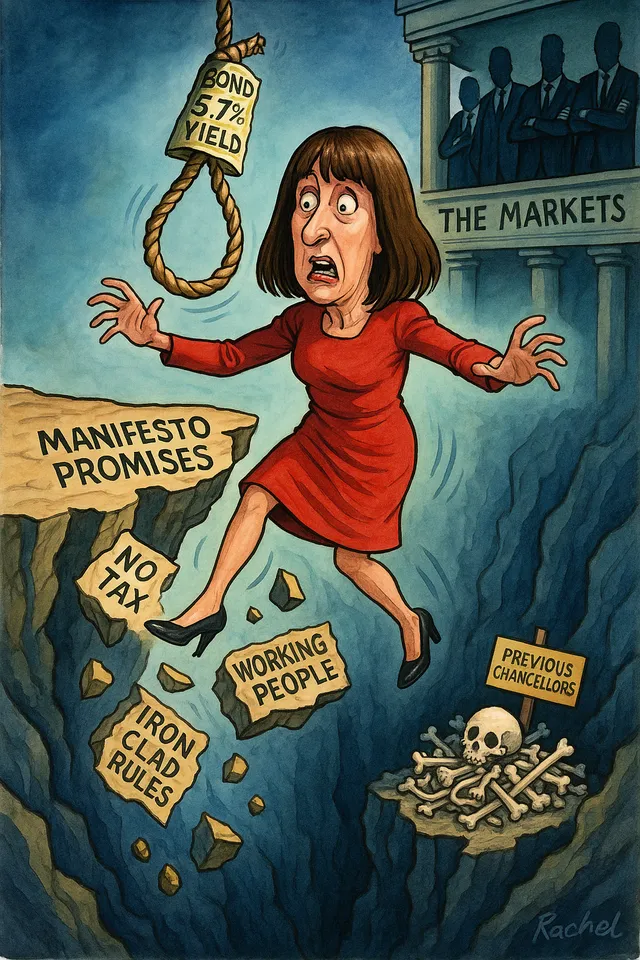
As the UK grapples with soaring borrowing costs and fiscal pressures, the gap between political promises and economic realities has never been more pronounced. Rachel Reeves is now faced with the challenge of reconciling these conflicting demands. This analysis delves into the implications for Labour's agenda and the broader political landscape.
Economic Policy
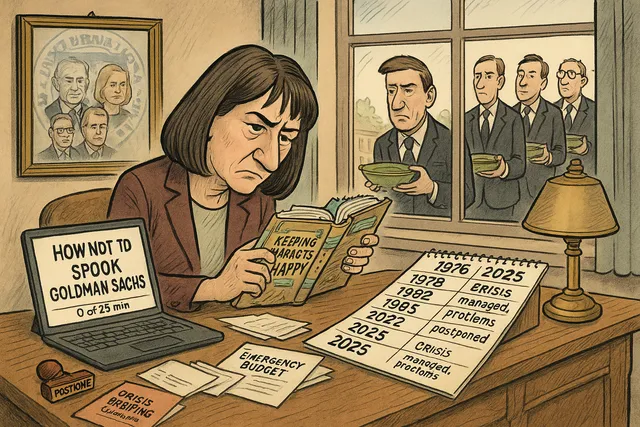
Britain operates in permanent crisis management mode. Consider the timeline of compounding failures: 2008 financial crisis debt never properly addressed, Brexit economic damage papered over, COVID spending adding unsustainable obligations, Truss's 2022 mini-budget reminding everyone how fragile the whole edifice really is. When treasury officials brief ministers on placating markets before serving citizens, when chancellors design budgets for bond traders rather than voters, you don't need the IMF—you've already surrendered sovereignty, you're just negotiating the terms.
Net Zero
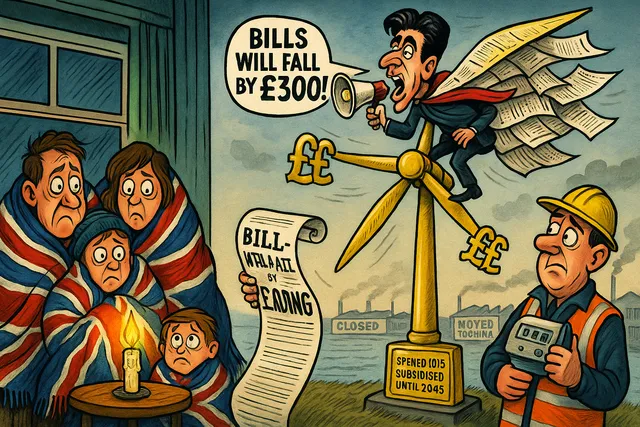
Ed Miliband's promise of cheaper electricity by 2030 clashes with the reality of soaring energy costs. The UK's net zero strategy, once hailed as a model for the world, is now a cautionary tale of political ambition outpacing engineering reality. As households face bills 20% higher than European neighbours, the question remains: who will pay the price for this green dream turned nightmare?
Net Zero
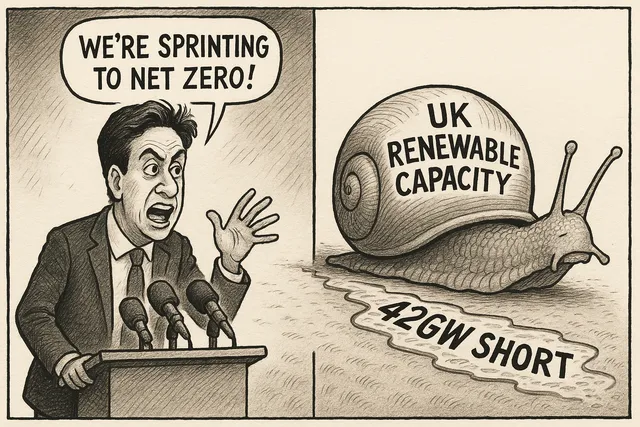
While Ed Miliband claims to be "sprinting to clean power by 2030," his own government's energy system operator quietly admits Britain will produce almost a third more carbon emissions than needed to meet legally binding climate targets. The gap between ministerial rhetoric and measurable reality has become a chasm.
Asylum Policy
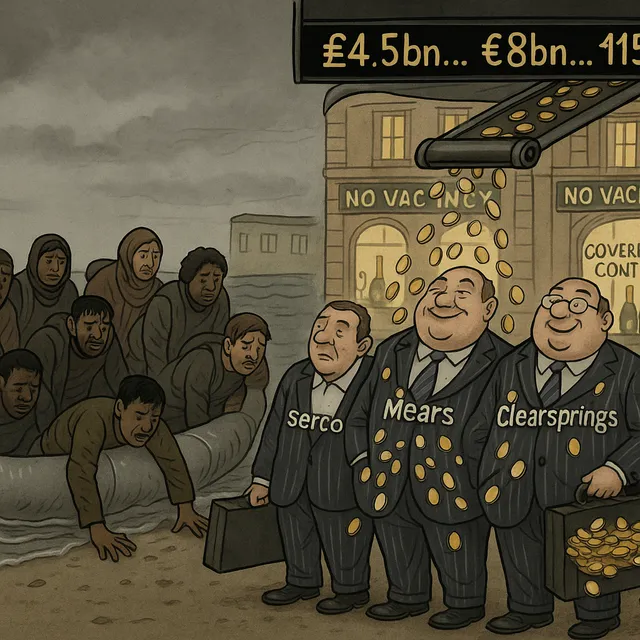
The National Audit Office has revealed what happens when political grandstanding meets contractual reality: asylum accommodation costs have exploded from £4.5 billion to £15.3 billion over ten years. This isn't a miscalculation—it's a masterclass in how modern Britain converts public crises into private profit.

UK Riots
Britain launches yet another talking shop to examine why communities that have been systematically neglected for decades occasionally explode into violence.
Energy Policy
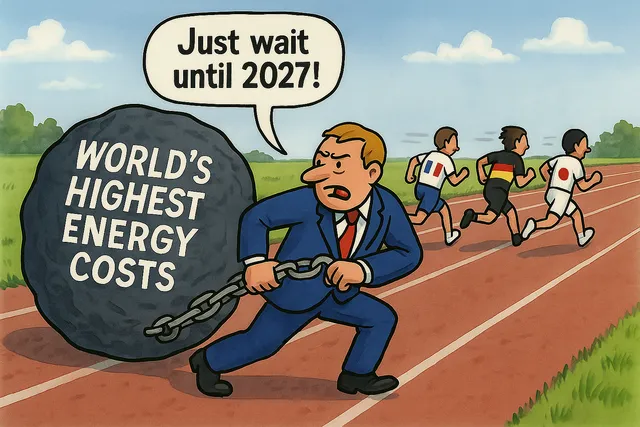
While Business Secretary Jonathan Reynolds announced plans to cut industrial energy costs, he inadvertently confirmed what has become a defining characteristic of modern Britain: world-leading failure dressed up as forward-thinking policy. The UK maintains the highest industrial electricity prices in the G7, a distinction that has persisted across multiple governments, and the solution being trumpeted won't begin until 2027—three years from now.
NHS
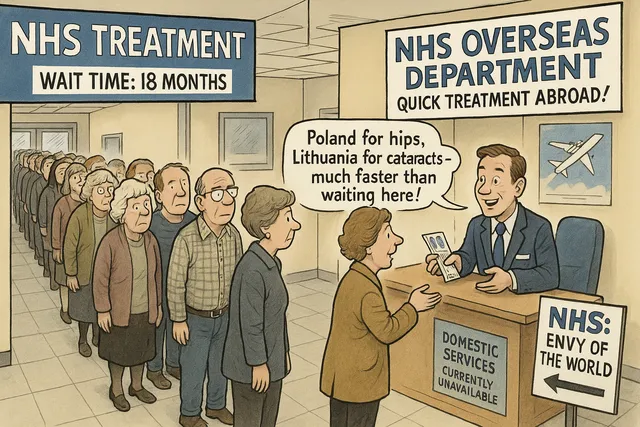
While politicians continue proclaiming the NHS as the "envy of the world," British patients are now fleeing to Poland, Lithuania, and the Czech Republic for basic medical care their own healthcare system cannot provide. This isn't medical tourism—it's medical refuge, funded by a health service so broken that paying foreign hospitals has become cheaper than fixing domestic capacity.
Motability
Lana Hempsall's investigation into Motability reveals a textbook case of institutional mission drift. What began as essential support for severely disabled individuals has morphed into Britain's largest vehicle leasing operation, operating under the protective umbrella of public benefit while generating substantial private returns.