Metropolitan Police
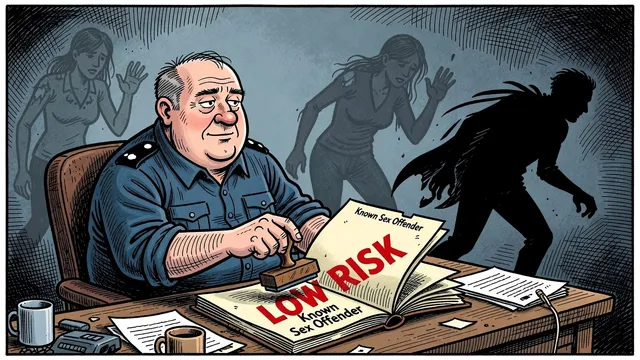
Met Downgraded Risk on Known Offender Before Further Attacks
Police, prosecutors and courts released a convicted sex offender on bail repeatedly despite accumulating charges and prior prison time.
Facts first. Parties second.
111 articles
Metropolitan Police
Police, prosecutors and courts released a convicted sex offender on bail repeatedly despite accumulating charges and prior prison time.
police
The Special Demonstration Squad's closure exposed long-term resource misallocation and unaccounted operational abuses.
PPE procurement
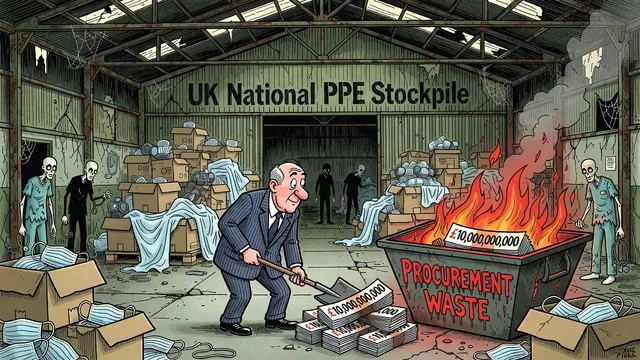
The Covid inquiry documented depleted reserves and £10bn wasted on defective equipment, with no penalties applied to those who ran the system.
leadership churn
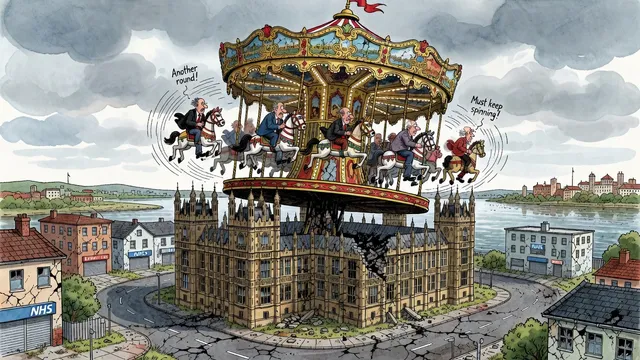
Frequent prime ministerial turnover has produced no measurable reversal in economic stagnation, service decline, or migration volumes.
security
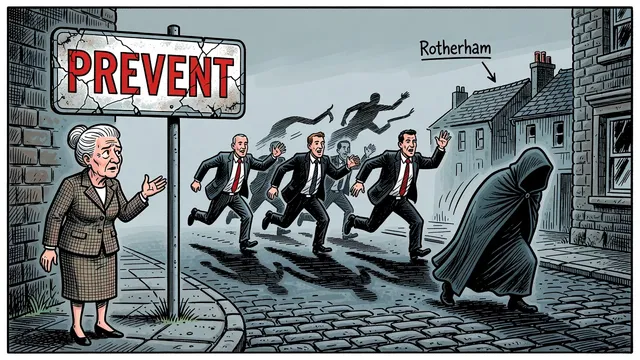
Counter-terrorism units took over the Widdecombe murder case after new evidence emerged, exposing gaps in Prevent monitoring of threats to public figures.
NHS
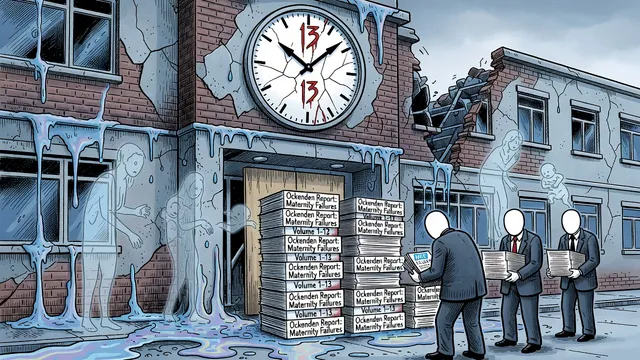
Institutional self-protection at Nottingham University Hospitals blocked correction of known maternity risks across multiple leadership teams.

policing
The rejection of external scrutiny on police conduct in the Henry Nowak murder leaves documented disparities unaddressed.
Prevent
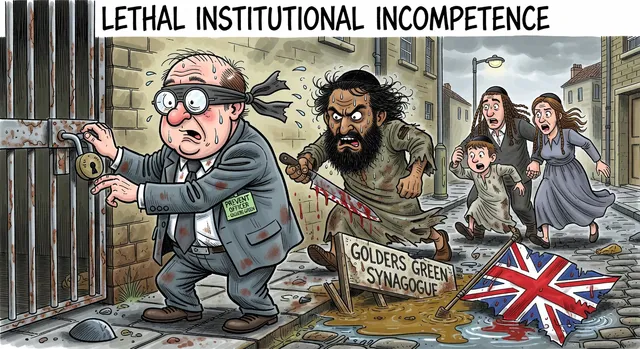
Prevent's 2020 clearance of indefinite prisoner Essa Suleiman precedes his attempted murders, joining a list of Islamist attackers who evaded the programme despite referrals. Shawcross data shows Islamist threats form 75% of probes but just 16% of cases, with focus shifted to non-violent ideologies.
child safeguarding
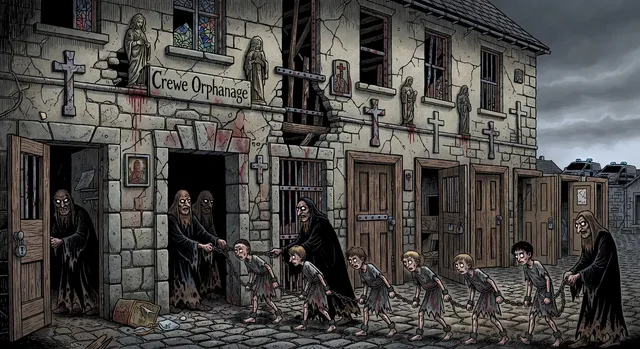
Cheshire Police's massive raid on a religious orphanage reveals unchecked modern slavery and sexual abuse in a home-schooled enclave. Systemic oversight failures let foreign groups operate parallel to state protections, endangering children.
asylum fraud
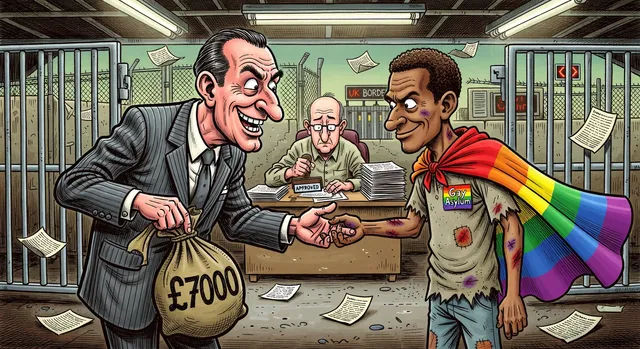
BBC exposes advisers charging thousands to fake gay asylum bids from Pakistan and Bangladesh. Verification failures let 35% of 100,000+ claims exploit the system unchecked.
elite impunity
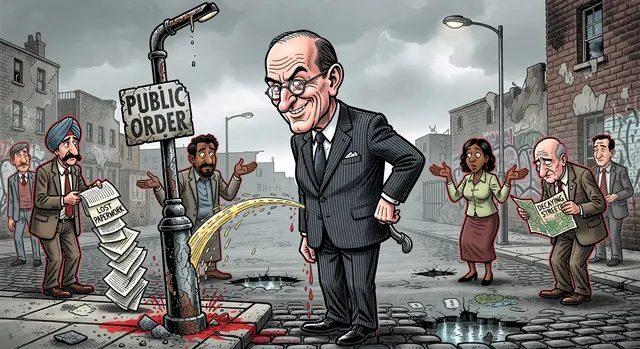
Kensington and Chelsea council cannot serve a £300 fine to Lord Mandelson for street urination due to missing address, exposing elite impunity amid routine enforcement for ordinary citizens. This minor case reveals systemic accountability gaps across parties.
Army negligence
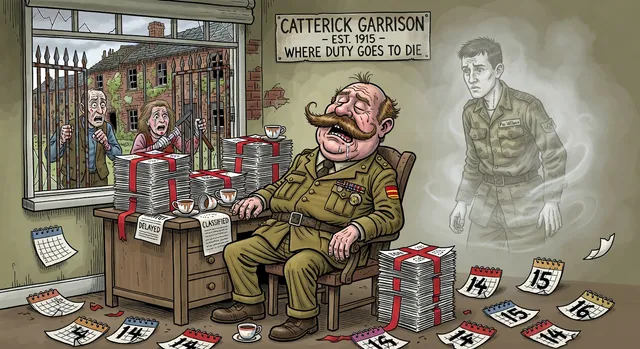
Catterick Garrison failed to detect a soldier's two-week absence, delaying police by fourteen days and erasing evidence. This exposes procedural collapse in a core UK institution amid broader public service decay.
public health
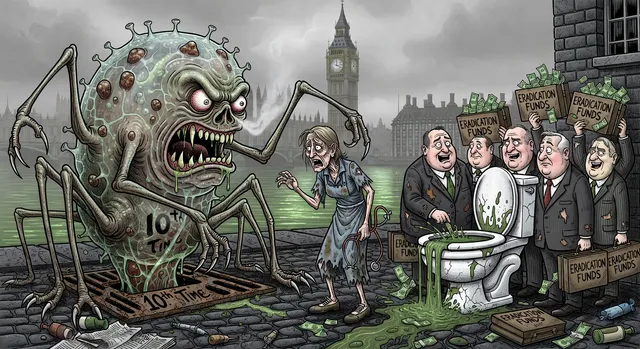
Polio virus detection in London sewage coincides with UK ministers slashing global eradication funding, exposing vaccination dips and policy risks that import disease amid eroding public health security.
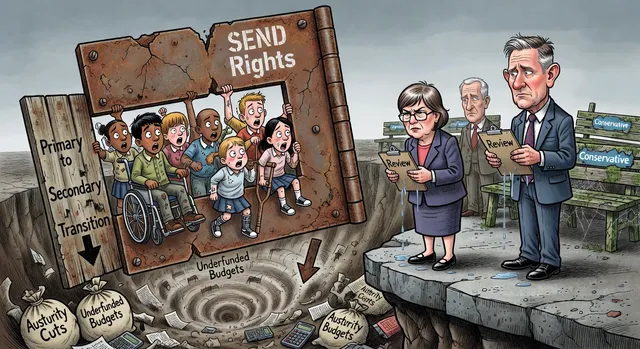
SEND
Labour's leaked SEND overhaul reviews legal rights for every child at school transitions, rationing support to control costs despite rights-expansion claims. This caps bipartisan neglect of vulnerable pupils.
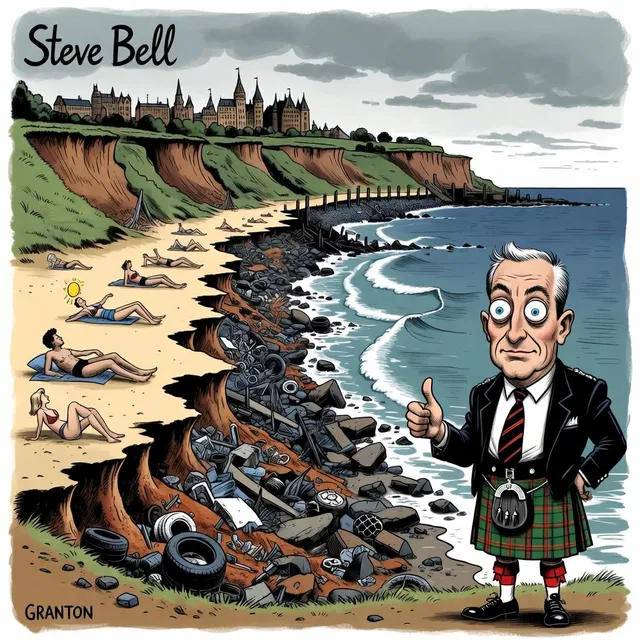
environment
Up to half of coarse sediments on urban UK beaches consist of brick, concrete, and industrial waste, exposed by storms and decades of neglect. This reveals systemic failure in waste management and coastal protection across governments.

migration
Undercover probes expose a fake job industry undermining skilled worker visas, with Home Office checks failing amid 146,000 approvals last year. Systemic vetting gaps enable fraud across governments, distorting labour markets and public services.
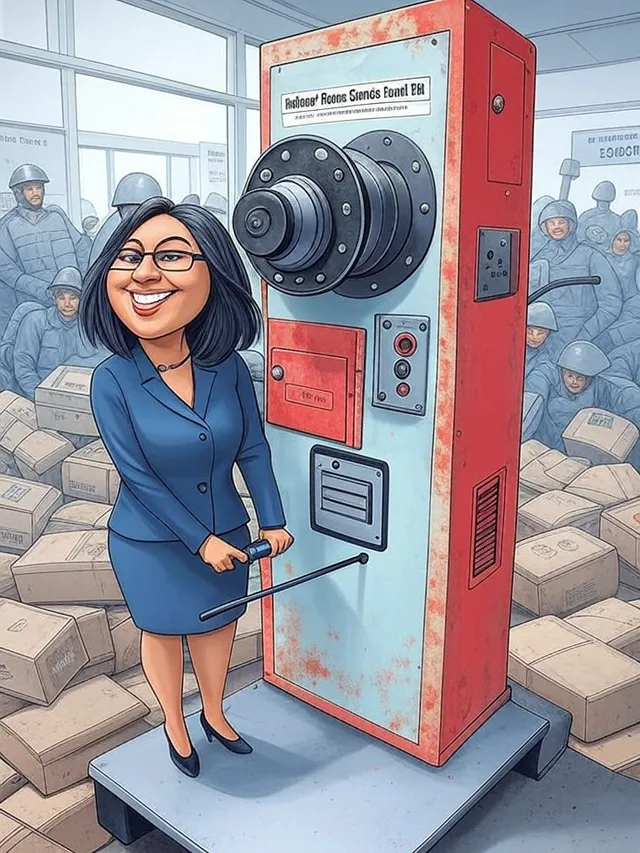
policing
Home Secretary Shabana Mahmood centralises 43 underperforming police forces into a National Police Service, repeating structural fixes that ignore frontline failures and historical inertia. Outcomes point to uniform decline, not reform.
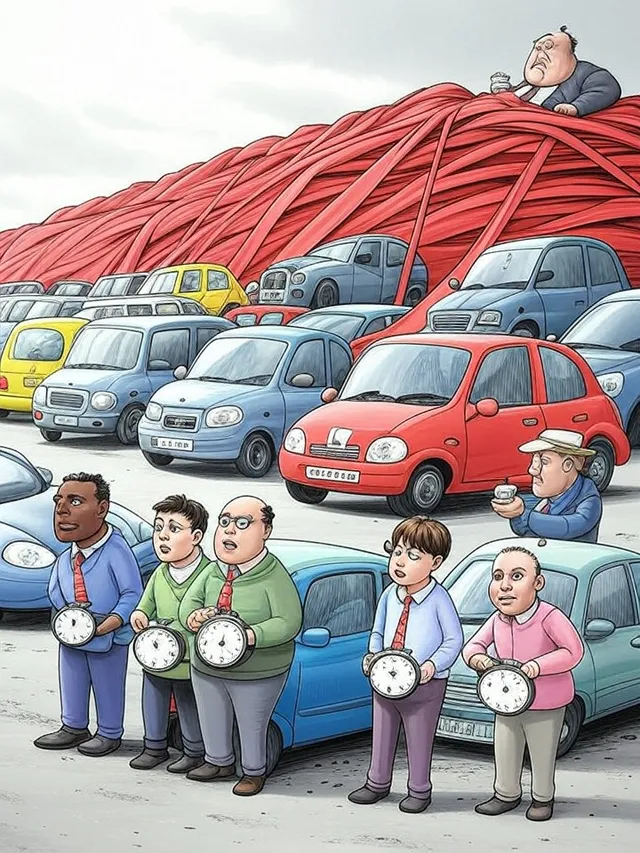
road safety
Government mandates extra delays for learner drivers amid unresolved test backlogs, targeting youth inexperience without addressing capacity failures or graduated licence evidence. Young motorists, 6% of drivers but 25% of fatal crashes, lose mobility as decline deepens.

migrant hotels
A 20-year Southampton restaurant shuts due to disruptions from an adjacent migrant hotel, with zero aid from police or council. This exposes how central asylum housing overrides local businesses across governments.

policing
Police propose axing non-crime hate incidents after 133,000 entries diverted resources from real threats. The 2005 policy, warped by online disputes, exemplifies cross-party inertia in UK policing.

youth violence
A 9-year-old girl's post-dance murder by a teenage boy underscores surging youth knife violence invading UK homes. Systemic failures in policing, youth services, and social support persist across governments.
HMRC
HMRC's anti-fraud crackdown wrongly suspended benefits for 15,000 legitimate parents using unreliable border data. The debacle highlights systemic flaws in welfare enforcement, punishing innocents while real fraud persists.

prisons
Inspectors place HMP Swaleside in special measures after documenting the worst violence, drugs, and weapons in five years. Muslim gangs dominate amid staff shortages and drone incursions, perpetuating a cycle of despair across governments.

migration
A migrant who seized a rescue tanker to evade Libya now contests UK extradition to Malta on terrorism charges. Courts weigh asylum over justice, exposing asylum system's bias toward offenders. (142 chars)

BBC
BBC's doctored Trump speech exposes institutional bias and accountability voids. Public-funded broadcaster fights $10bn suit after resignations, deepening trust erosion in UK media. (142 chars)
NHS
UK governments cap medical training despite surging applications, rejecting qualified Brits while importing 20,000 doctors annually. Systemic bottlenecks and poor retention ensure perpetual shortages across parties.
SEND
England's £2.3bn annual school transport bill exposes absent local SEND provision, with councils proposing semantic fixes over capacity building. Taxpayers fund isolation taxis amid cross-party planning failures.

Covid legacy
Lingering pandemic effects dominate court delays, NHS waits, and welfare costs, but pre-existing institutional frailties across governments turned shocks into systemic breakdowns. Silence perpetuates the decline.

net-migration
Labour touts net migration fall to 204k, but 109k more Britons left than returned, matched by asylum claims. Non-EU dominance and failed deportations signal ongoing demographic swap across governments.

Single Justice Procedure
An 84-year-old pensioner gains a criminal record for uninsured idling car post-licence surrender. Labour delays SJP reform amid cross-party failure to shield the vulnerable.
prisons
England and Wales saw 103 prisoners freed by error since April, a 128% annual rise, with two still at large. Justice Secretary Lammy's downward trend claim ignores climbing numbers and public safety gaps.

social housing
UN experts cite London's largest housing association for systematic neglect after a family's decade of ceiling crashes, mould, and ignored harassment. Ombudsman fines confirm decline, but redress lags far behind damage.

asylum
A man arrested over Sri Lanka's 2019 Easter bombings that killed 269 overturns his UK asylum refusal on legal errors, forcing a full rehearing. This procedural win highlights chronic Home Office flaws prioritizing technicalities over security risks.

net migration
Net migration fell two-thirds to 204,000, driven by fewer work visas, but small boat crossings hit near-record highs and asylum claims soared to 110,051. This exposes persistent gaps in irregular migration control across governments.

knife crime
A former judge proposes taxing pointed kitchen knives £20 each to favor safer designs, backed by Southport survivors and Labour MPs. This sidesteps root causes like gang violence and vetting failures, taxing citizens for state breakdowns in public safety.

fiscal policy
Rachel Reeves's chaotic Budget buildup has driven retail sales down 1.1% and business confidence into contraction, exposing fiscal rules that prioritize uncertain projections over economic stability. This pattern of volatility across governments deepens UK's debt trap.

fiscal policy
Labour's budget proposals redirect billions from workers' pockets to welfare expansions, perpetuating cross-party fiscal policies that stifle growth and drive emigration. This reveals systemic incentives favoring dependency over productivity.

asylum claims
Data reveals Pakistanis exploiting UK visa routes for record asylum claims, exposing systemic failures in migration control that span governments and erode public trust. This internal gaming outpaces border crises, deepening economic and social strains.
asylum crisis
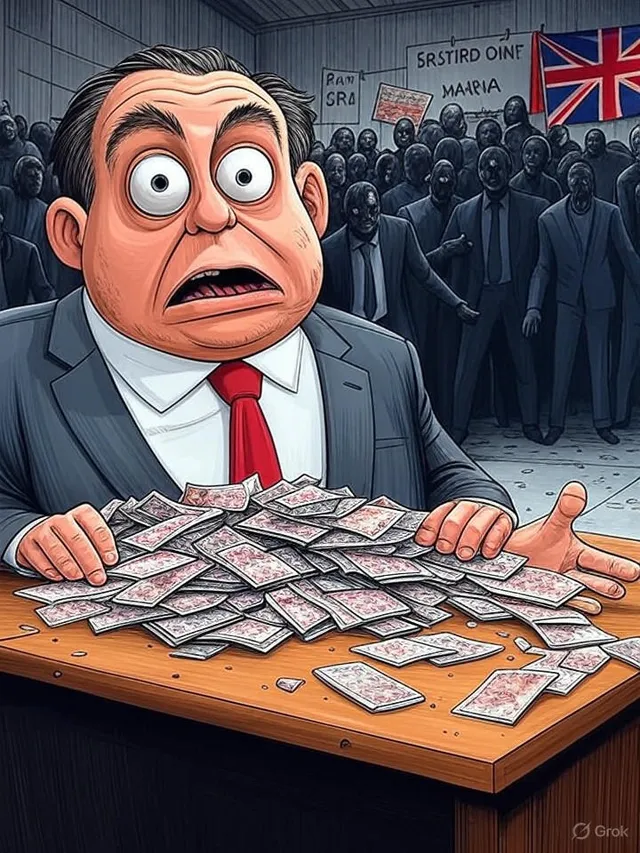
RAF Wethersfield's chaos—smashed offices, absconders with diseases, and unchecked violence—exposes migration policy's core failures, costing billions while risks spread nationwide.
drug smuggling
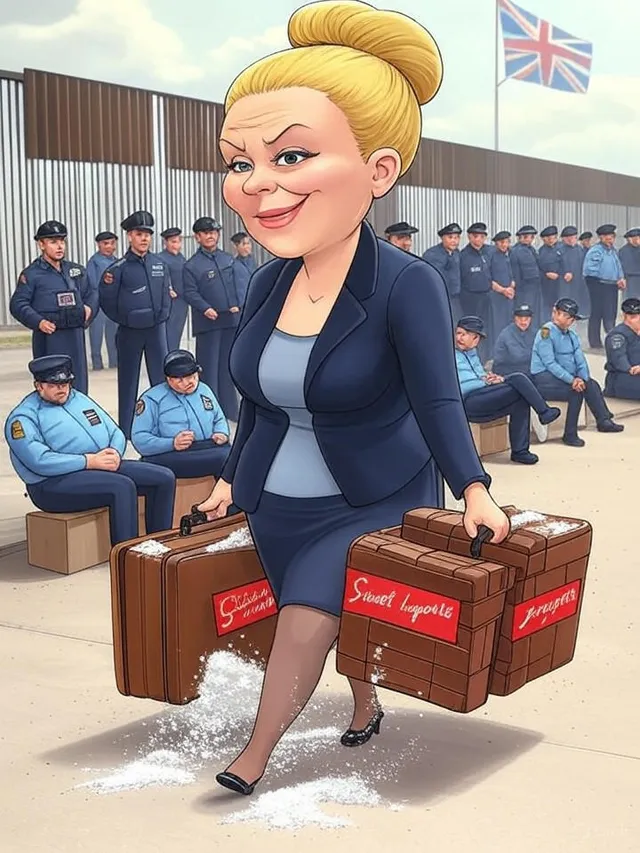
Customs intercepted over two kilograms of cocaine hidden in sweets, but the bust reveals persistent border weaknesses and organized crime's grip on UK entry points. This isolated success masks rising drug deaths and enforcement shortfalls across governments.
TfL
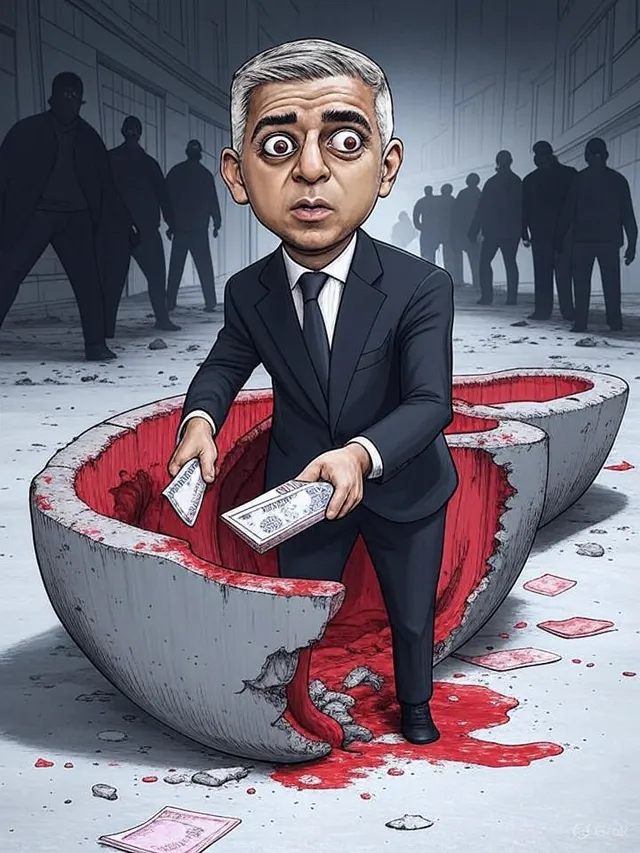
TfL loses £200m yearly to fare dodgers, with Tube evasion at 5.3% despite targets and hikes. This reflects cross-party neglect of transport funding, shifting costs to compliant users and eroding service reliability.

migration policy
Official data reveals a 44 percent rise in migrant benefits claims since 2022, exposing cross-party failures in managing fiscal costs of uncontrolled inflows. Retrospective policies target 1.6 million arrivals, but systemic voids persist.

BBC bias
Parents accuse the BBC of promoting transgender identities to children without balance, breaching impartiality and safeguards. Regulatory inaction allows biases to persist, harming families and public trust in a key institution.

asylum policy
A Jordanian asylum seeker allegedly groped four females on London trains from a taxpayer hotel, facing a 2027 trial amid justice backlogs and migration housing failures. This reveals unchecked risks in urban public spaces.

green belt
Leeds council's grey belt plans contradict Labour's preservation pledge, targeting 30,000 hectares for development while housing starts lag far behind 300,000 annual targets. This reveals recurring policy failures across parties in balancing growth and green space.

policing
A police leader equates national flag surges with division, overlooking migration policy failures that fuel public tensions. This stance highlights institutional disconnects in addressing social fractures across governments.

NHS Decline
Swansea's nursing students qualify into a local job drought, highlighting NHS workforce mismatches driven by funding freezes and poor planning. This strands dedicated trainees and deepens healthcare fragility across Wales.
immigration
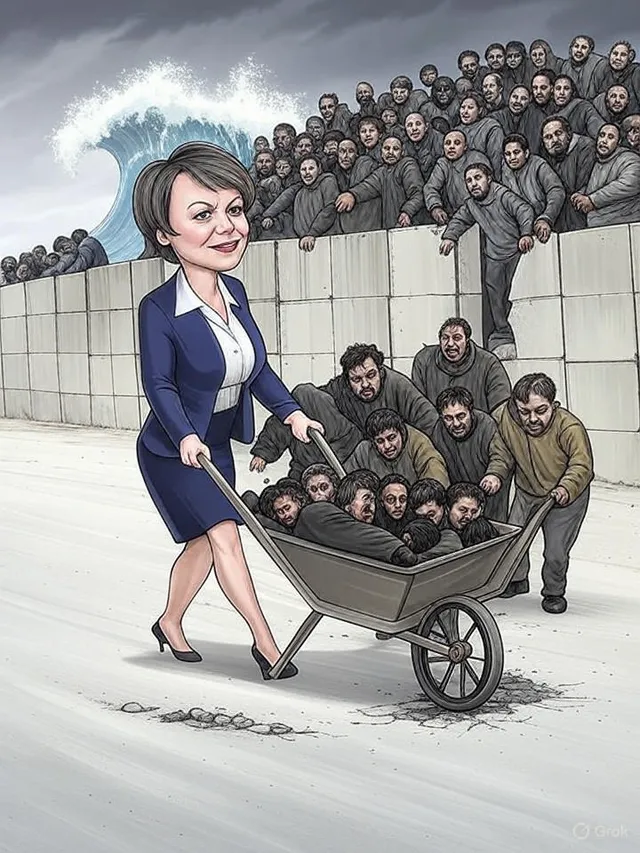
Home Secretary Mahmood's ECHR tweaks and deportation drives yield incremental gains, but surging Channel crossings and legal limits expose enduring border control failures across governments.
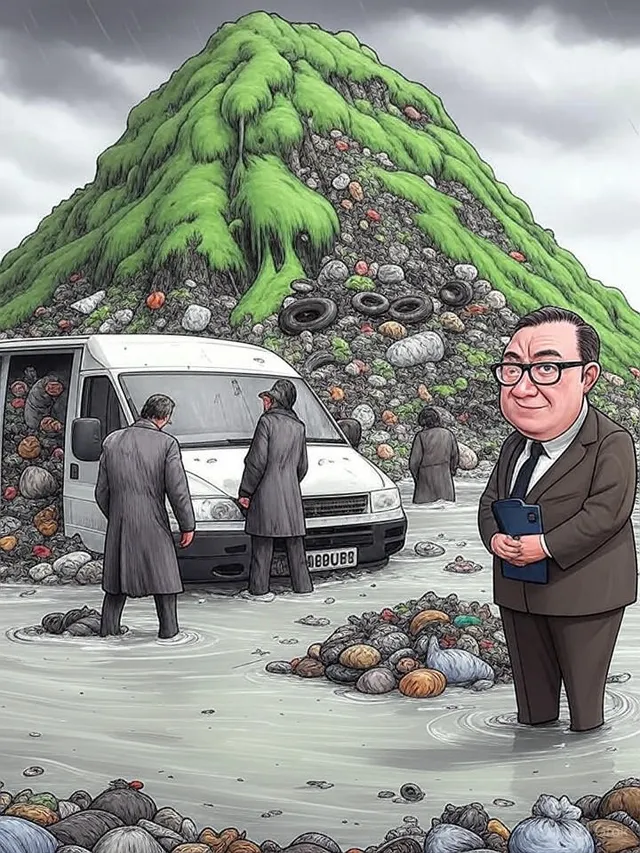
fly-tipping
Illegal dumping near Kidlington exposes enforcement paralysis, with cleanup costs overwhelming local budgets and risks mounting to waterways. Systemic under-prioritization allows organized crime to poison Britain's rural landscapes unchecked.
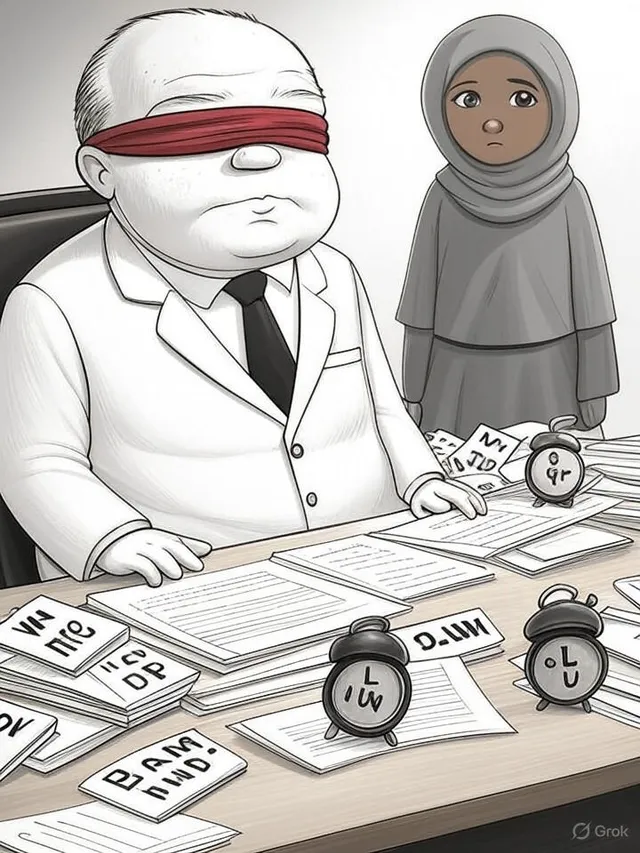
child safeguarding
An independent review reveals how Surrey authorities ignored domestic violence risks in Sara Sharif's family for years, leading to her 2023 murder. This case highlights systemic child protection flaws that recur across UK governments, eroding trust and safety for vulnerable children.

Prevent strategy
The UK's Prevent program dismisses 90% of cases for lacking ideology, yet misses violent actors like the Southport killer. This flaw, unchanged across governments, signals broader security breakdowns in an evolving threat landscape.

justice delays
A 2018 rape conviction in 2025 exposes Britain's justice system backlog, where seven-year waits erode victim protections and signal deeper failures in safeguarding teenage girls amid rising sexual offenses.
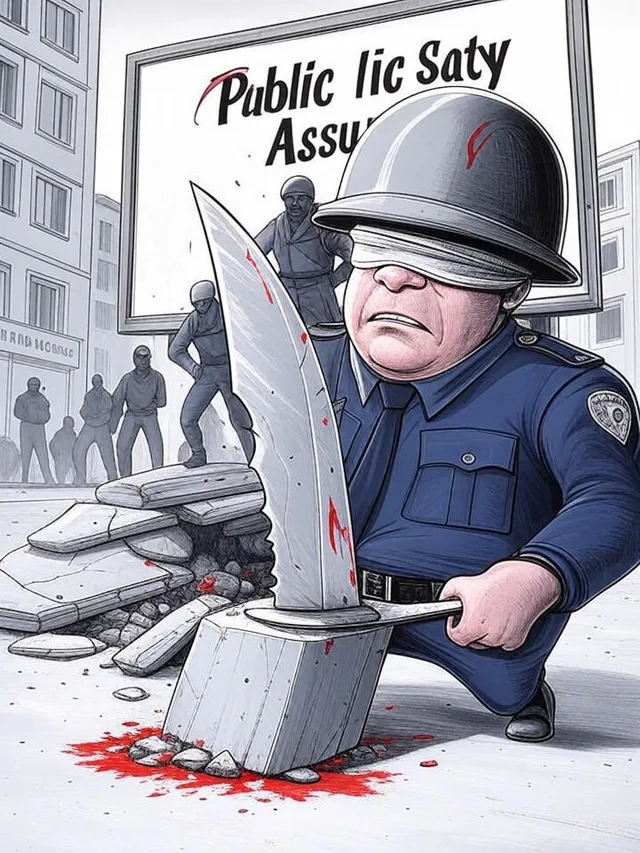
knife crime
A woman's death in an unprovoked Birmingham stabbing highlights the chasm between official knife crime reductions and rising street lethality, revealing systemic neglect across governments.

immigration policy
The Home Office's reintegration programme uses taxpayer money to support deported criminals with business setups and training, as enforced removals hit historic lows. This cross-party policy prioritizes global obligations over domestic enforcement, funding NGOs that oppose border controls.
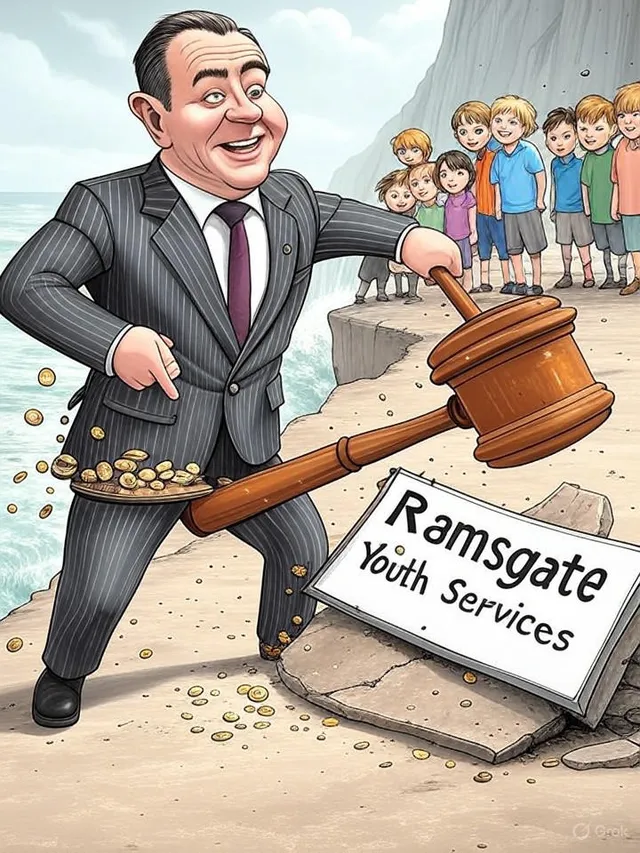
youth services
Kent County Council plans to sell Ramsgate's last youth centre despite evidence it saves £580,660 yearly in public costs. This decision exemplifies a decade-long funding collapse in youth services, deepening deprivation in coastal England.

immigration
Labour imports Denmark's tough immigration model amid uncontrolled borders, exposing cross-party failures in enforcement and integration that strain UK institutions.

social breakdown
A Sheffield father's fatal intervention in a wedding dispute reveals how family feuds endanger bystanders in deprived urban areas, underscoring failures in community mediation and rising street violence across the UK.

youth violence
Overnight riots in Birmingham saw youths hurl fireworks at officers and residents, exposing failures in youth support and policing amid seasonal unrest. This incident highlights persistent social breakdowns that strain emergency services nationwide.

Prevent programme
Record referrals to the Prevent anti-terror scheme highlight a surge in cases without fixed ideologies, revealing systemic failures to monitor susceptibilities as seen in the Southport attack. This pattern underscores institutional inertia that leaves UK security reactive amid evolving threats.
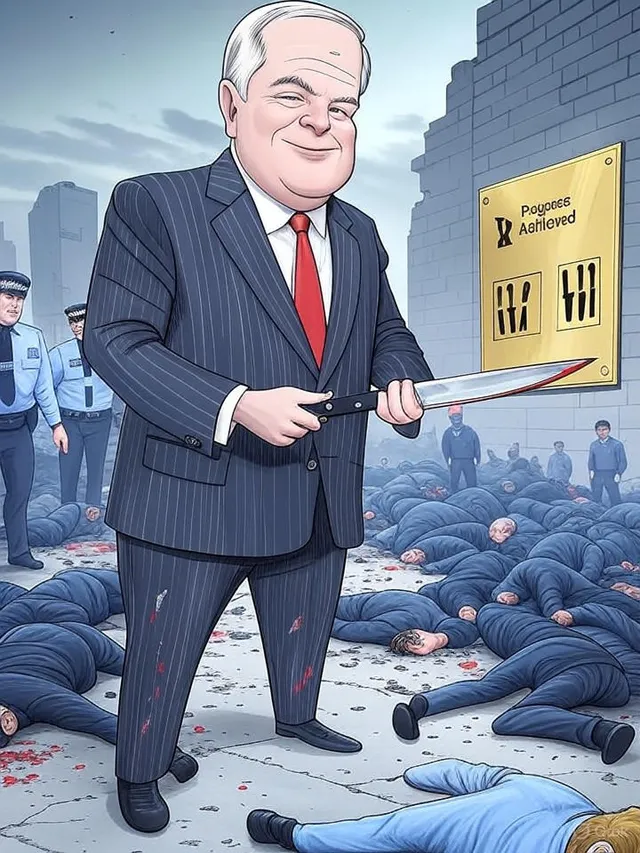
knife crime
Official knife crime fell 5% last year, yet 262 homicides and thousands of injuries expose systemic failures in addressing deprivation and youth support across governments. Enforcement removes weapons but ignores root causes fueling fear-driven violence.
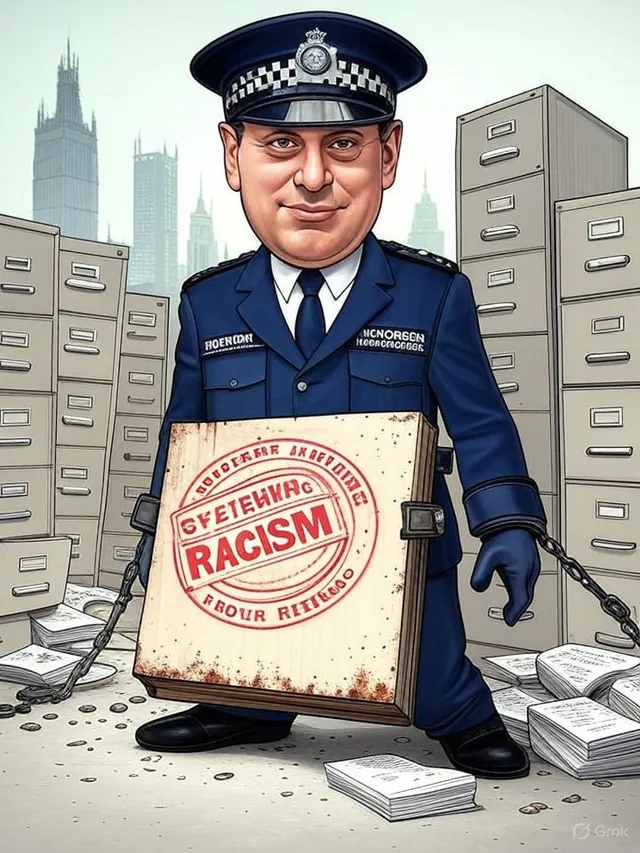
Met Police
A new review exposes persistent anti-black racism in Met Police HR systems, repeating verdicts from 1999 and 2023 without driving structural change. This cycle reveals deep institutional inertia across governments, eroding trust and safety in London.
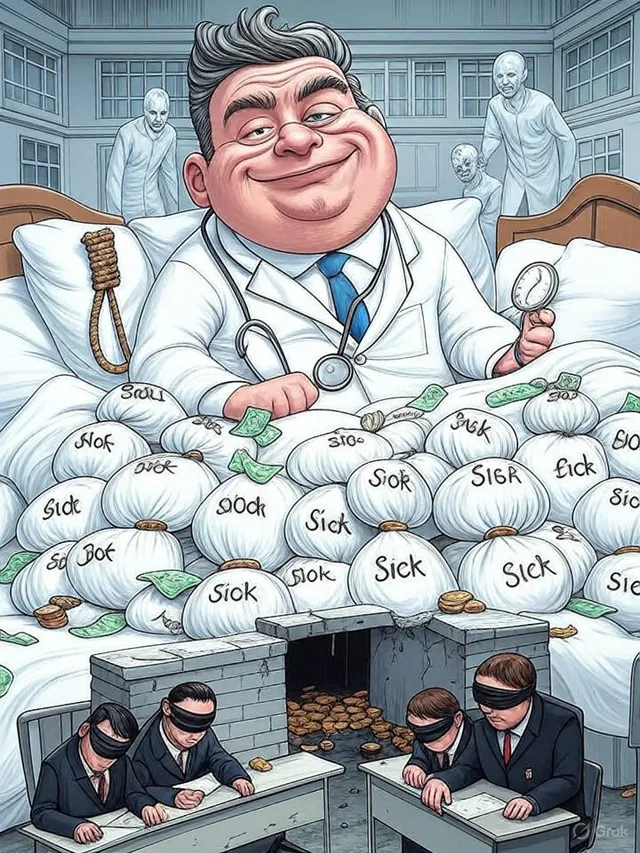
NHS
A doctor's three-year fraud of working extra shifts while claiming illness cost the NHS £268,000 in salaries and locums, exposing fragmented controls that enable abuse across trusts.
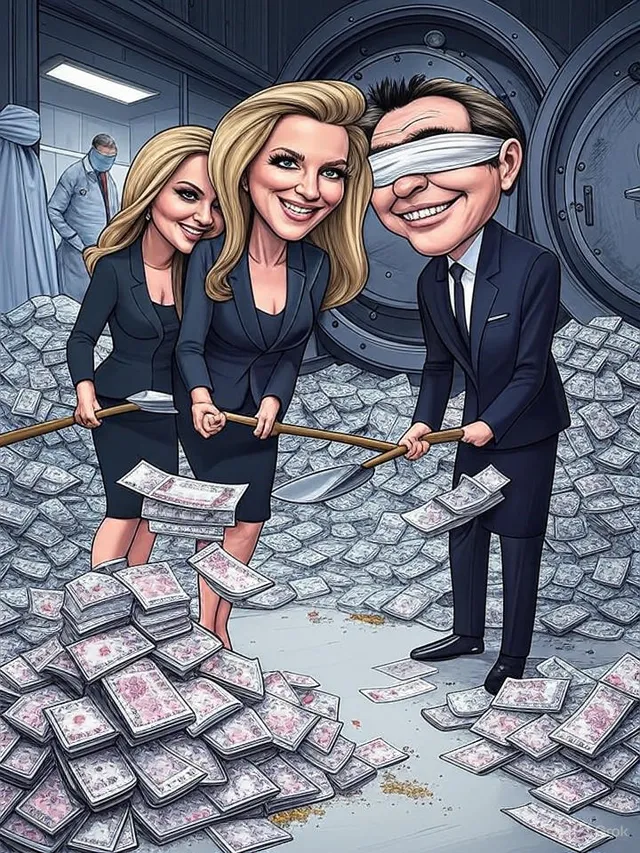
tax avoidance
Douglas Barrowman's PPE Medpro funneled £65m profits into trusts, dodging taxes via administration, in a pattern of elite avoidance that burdens UK taxpayers amid weak enforcement.

extremism
A 21-year-old's rapid turn to Islamist extremism and conviction for terror planning highlight failures in online monitoring and integration, underscoring broader erosion of public safety across governments.
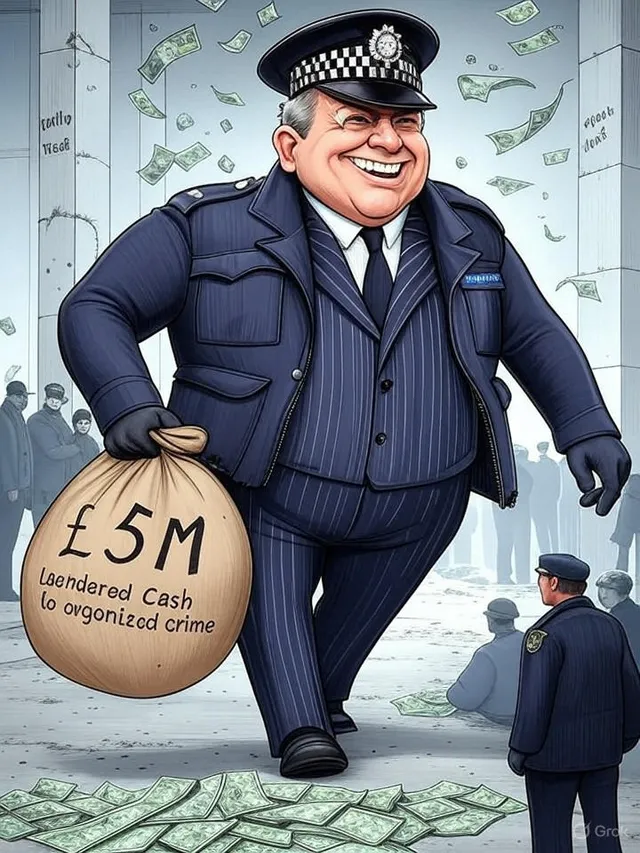
police corruption
A convicted ex-Met Police officer's role in a £5m laundering scheme reveals unchecked corruption within law enforcement, eroding public trust and enabling organized crime across UK institutions.
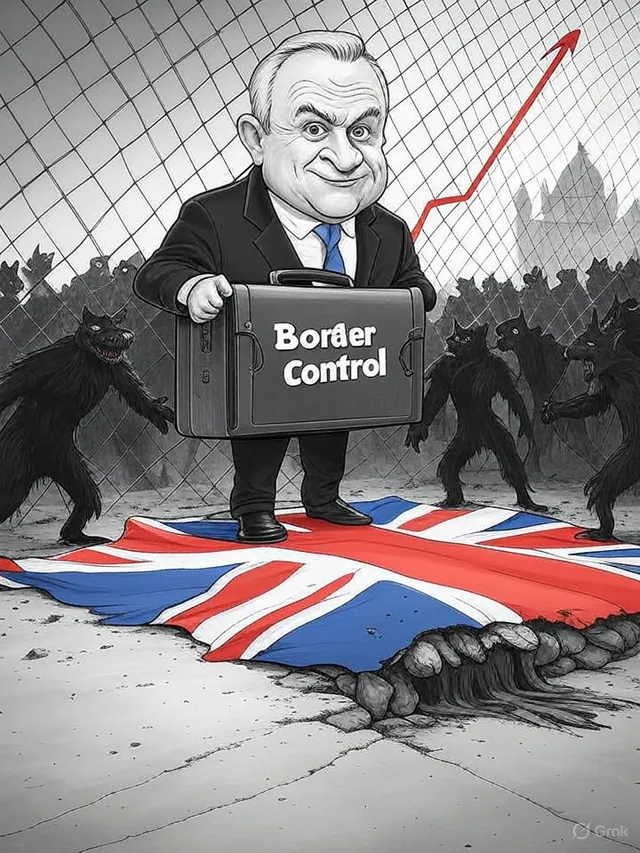
migration
A 62% surge in foreign national sexual offence convictions outpaces British increases threefold, exposing failures in UK migration enforcement across governments. This ties to unchecked small boat arrivals and institutional overload.

grooming gangs
Sadiq Khan's assurances of no grooming gangs in London unraveled under investigation, revealing 9,000 Met Police cases for review and highlighting cross-party failures in child protection.

ECHR
A repeat criminal secures UK residency despite multiple offenses, as courts prioritize human rights over public safety. This ruling highlights persistent failures in deportation enforcement across political regimes.

public safety
A teenage girl's assault in a Sussex park during broad daylight underscores police underfunding, rising sexual violence, and the erosion of public spaces as safe havens for citizens.
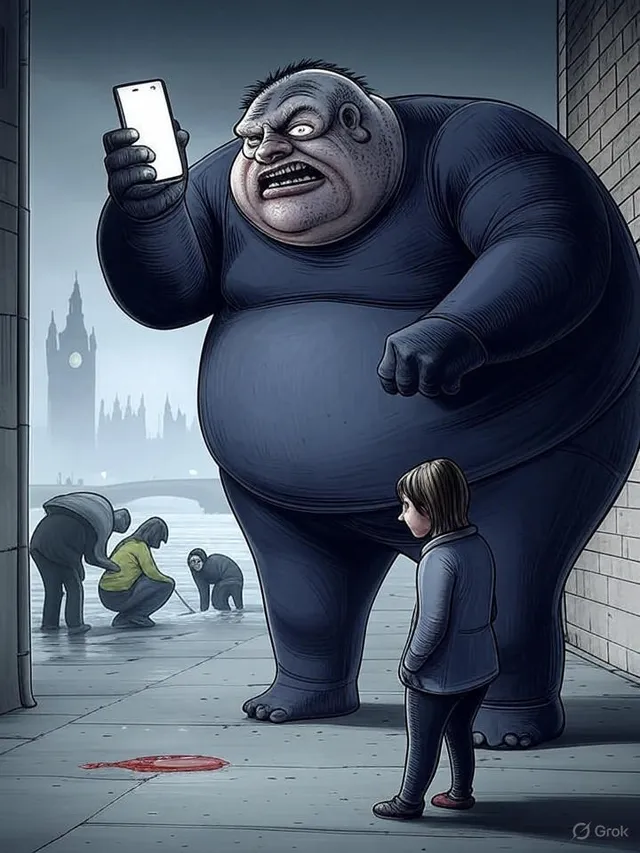
asylum crisis
A rejected Egyptian asylum seeker's alleged rape near Charing Cross exposes failures in border control, with 45,000 annual boat arrivals overwhelming enforcement and endangering public safety.

asylum system
A brutal attack in a Scottish town park underscores failures in asylum vetting and housing, exposing broader risks to vulnerable citizens amid policy overload.

child exploitation
New charges in Rochdale highlight enduring failures in child protection, with 17-year delays exposing systemic breakdowns in policing and justice that span governments and erode trust.

knife crime
A routine dog walk in Uxbridge ends in death, exposing failures in asylum integration and rising knife crime that successive UK governments failed to curb.

youth violence
A daylight stabbing at Manchester Piccadilly by boys aged 12-13 underscores rising youth violence, institutional underfunding, and the erosion of public safety across UK cities. Data shows knife offenses doubling among teens since the 1990s, with accountability gaps persisting under successive governments.
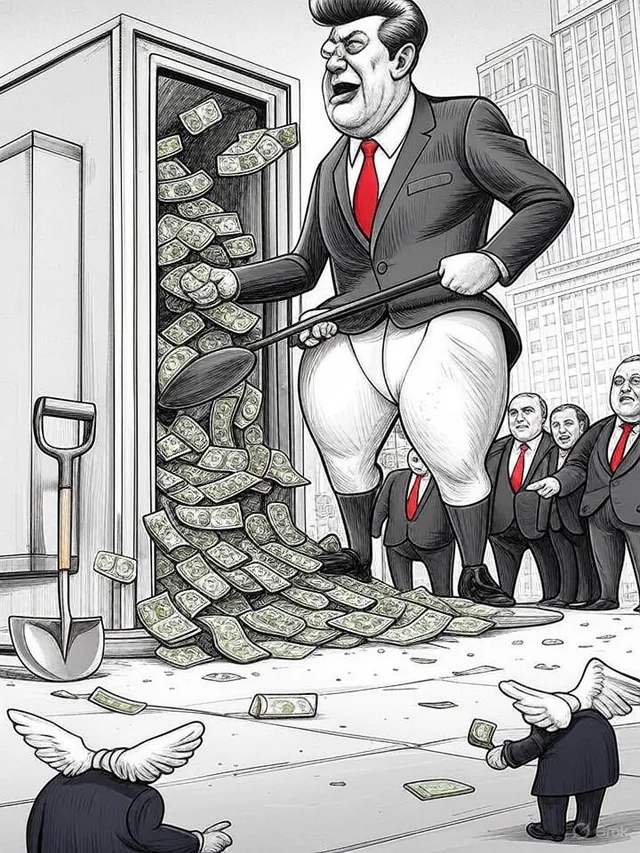
asylum policy
UK asylum accommodation costs have ballooned to £15.3 billion due to flawed contracts and oversight lapses, revealing cross-party institutional failures that waste taxpayer funds and fuel social tensions. This pattern underscores broader governance decay unaffected by changes in power.
asylum system
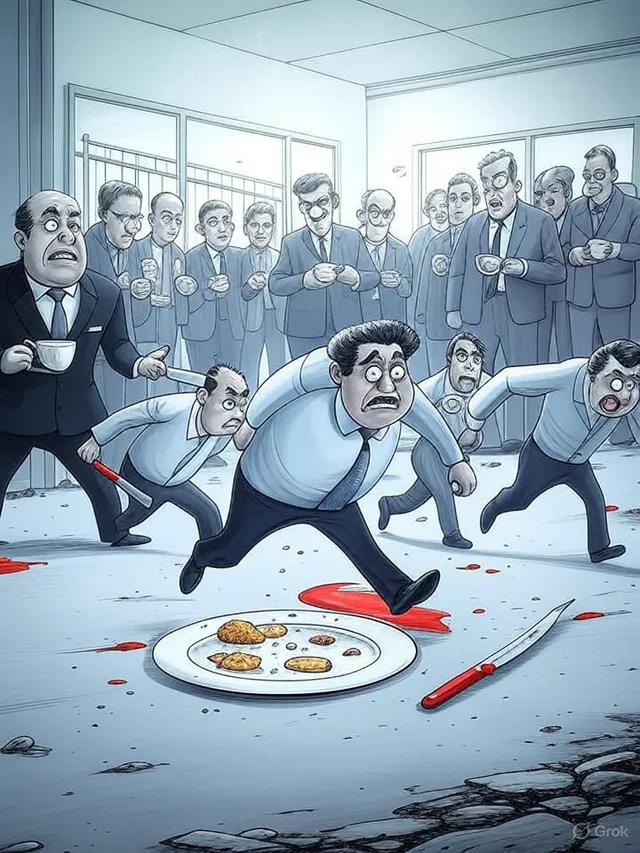
A knife-wielding chase at a Dorset asylum hotel exposes systemic failures in migrant accommodations, from repeat offenders to local strains, unchanged across governments.

asylum crisis
The relocation of asylum seekers to disused UK military sites exposes a migration system in freefall, with costs tripling and backlogs unyielding despite cross-party pledges for control.

NHS
A high-risk mother's preventable death exposes NHS midwifery breakdowns: exhausted staff, vague warnings, and ignored protocols claim lives amid chronic understaffing.
IMF
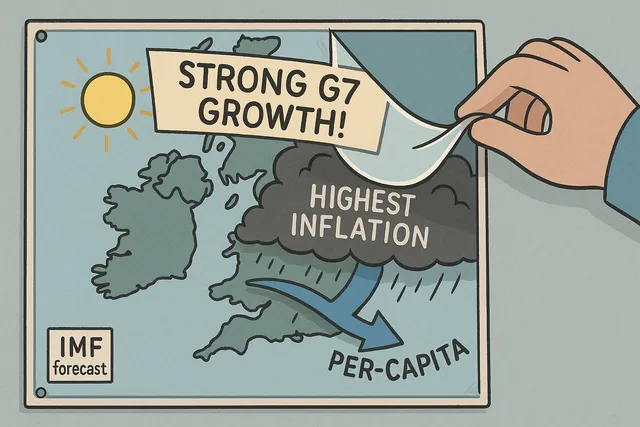
The IMF forecasts Britain will have the second-strongest economic growth in the G7 this year. But it also predicts Britain will have the highest inflation and the weakest per-capita growth next year. This is not a contradiction. This is a symptom of deeper institutional problems.

Equality Law
A muslim charity run in East London excludes women and teenage girls while claiming to be "inclusive." Thirteen years later, an equality investigation begins. What does this reveal about institutional accountability and enforcement of equality law?
PPE Medpro
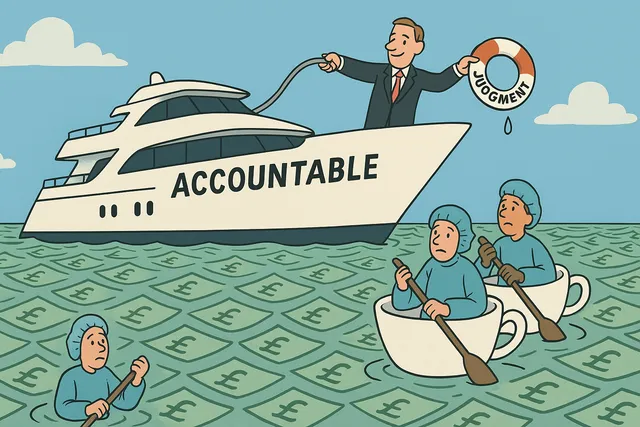
David Conn's investigation into the PPE Medpro scandal reveals how Britain's institutions have been structured to ensure that certain individuals can profit from public money without facing consequences. The recent high court judgment ordering PPE Medpro to repay £122 million for defective medical gowns highlights a system where winning in court often means losing money for taxpayers.

Asylum Policy
The Home Office's asylum accommodation contracts, initially valued at £4.5 billion, are now projected to cost £15 billion. Clearsprings Ready Homes founder Graham King has made £187 million in profits, becoming a billionaire, while asylum seekers in his hotels face inadequate food and rationed hygiene products. This isn't just a failure of policy—it's a symptom of Britain's institutional decay.

NHS
The Sunday Times revealed this week that at least 22 doctors banned or disciplined overseas are practicing in the NHS with clean UK medical licenses. One had sex with patients. Another missed life-threatening conditions on scans. A third sexually harassed colleagues. The General Medical Council either failed to discover these facts or chose not to disclose them.
British Transport Police
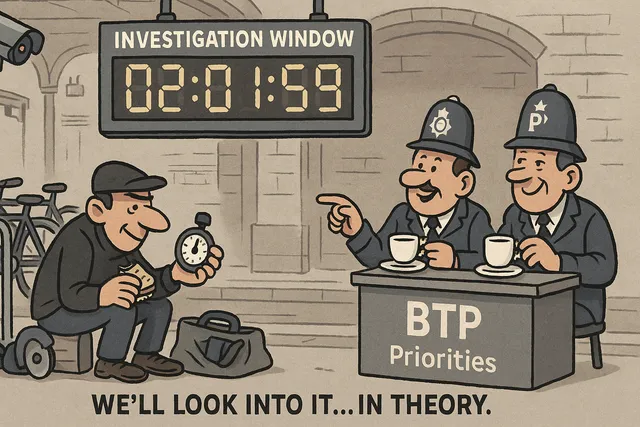
British Transport Police have effectively legalised bicycle theft at railway stations by refusing to investigate thefts of bikes left for more than two hours. This policy, which applies even to bikes stolen from secure parking facilities with CCTV coverage, reveals a deeper institutional failure. By prioritising "crimes which cause the most harm," BTP has created an environment where bike theft is rampant and commuters are left unprotected. This analysis explores how this policy reflects broader issues in UK governance and public service delivery.

NHS
Instead of providing clear medical advice, the NHS has issued guidance that downplays the genetic risks of first-cousin marriage by emphasizing its cultural and economic "benefits." This reflects a troubling trend where political correctness overrides scientific evidence in public health policy.
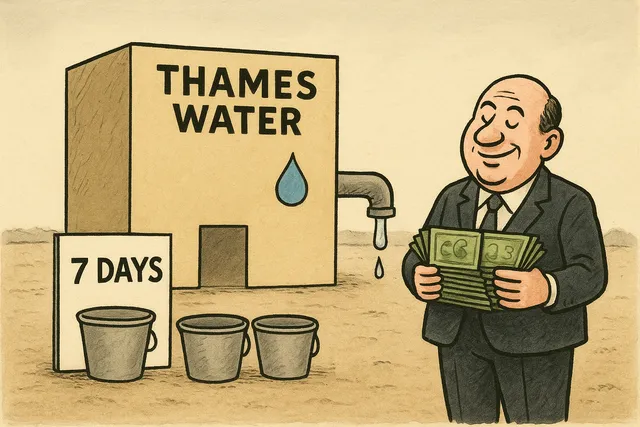
Thames Water
Thames Water's £518 million desalination plant, built to secure London's water supply, has produced a mere seven days' worth of water over 15 years. This exposé reveals how the plant, plagued by operational failures and exorbitant costs, serves more as a financial asset for debt accumulation than a functional piece of infrastructure. As the company seeks another £535 million for a new project, the story highlights the systemic issues in Britain's privatised water industry, where public service is secondary to wealth extraction.

UK Politics
As the UK struggles with record illegal migration and asylum backlogs, Keir Starmer's proposal for mandatory digital ID cards for all working adults reveals deeper issues of governmental incompetence and authoritarian overreach. This analysis explores the implications for civil liberties and the future of British democracy.
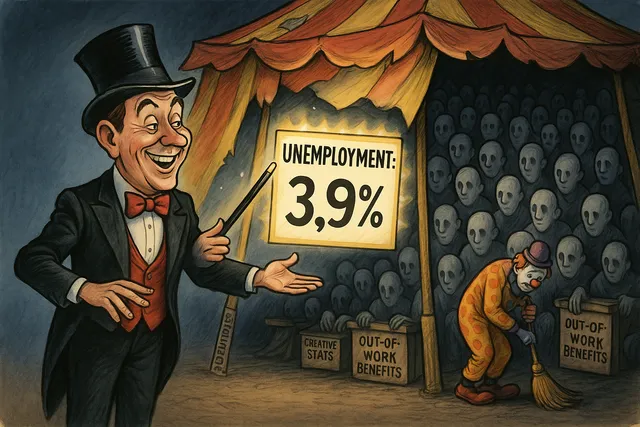
Public Benefits
Based on Fraser Nelson's investigative piece, this article covers the staggering reality of 6.5 million working-age Britons on out-of-work benefits, a figure obscured by official statistics and institutional obfuscation. It explores the systemic failures that allow such a vast portion of the population to remain economically inactive while the government touts low unemployment rates, revealing the deep contradictions and social consequences of Britain's welfare state.

Asylum Policy
The UK government's £6 billion Afghan resettlement scheme has been exposed as a massive fraud, with many "refugees" returning to Afghanistan for holidays. This scandal reveals deep institutional failures and political hypocrisy in British governance.

Motability
The Adam Smith Institute's investigation into the Motability scheme uncovers a staggering £8.1 billion annual expenditure on brand-new cars for welfare claimants, far exceeding essential public services budgets. This exposé reveals how a program initially designed to assist wheelchair users has ballooned into an unaccountable monopoly, purchasing one in five new cars sold in Britain, while eligibility criteria have been drastically expanded to include conditions like anxiety and depression.
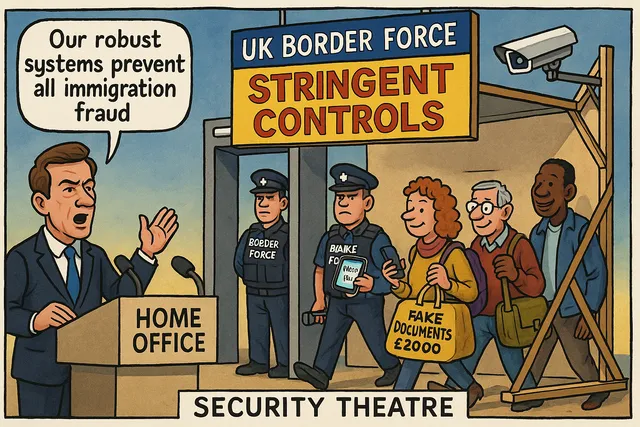
Immigration
UK Government's immigration policies have created a system ripe for exploitation, where fraudulent practices thrive and genuine cases are overlooked. We expose the systemic failures that allow such abuses to occur, highlighting the human cost and the urgent need for reform.
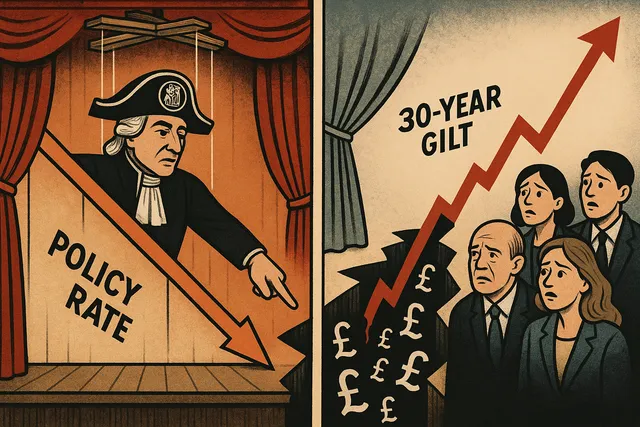
Bank of England
Britain's central bank has lost its credibility, and the markets are reacting accordingly. The recent interest rate cut is a clear signal that the Bank of England is no longer the independent institution it once was.
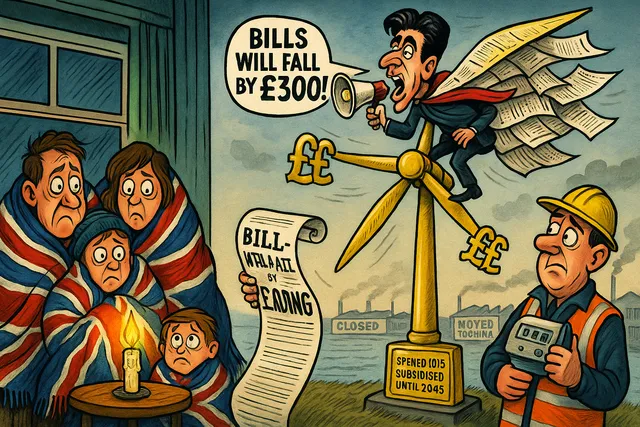
Net Zero
Ed Miliband's promise of cheaper electricity by 2030 clashes with the reality of soaring energy costs. The UK's net zero strategy, once hailed as a model for the world, is now a cautionary tale of political ambition outpacing engineering reality. As households face bills 20% higher than European neighbours, the question remains: who will pay the price for this green dream turned nightmare?
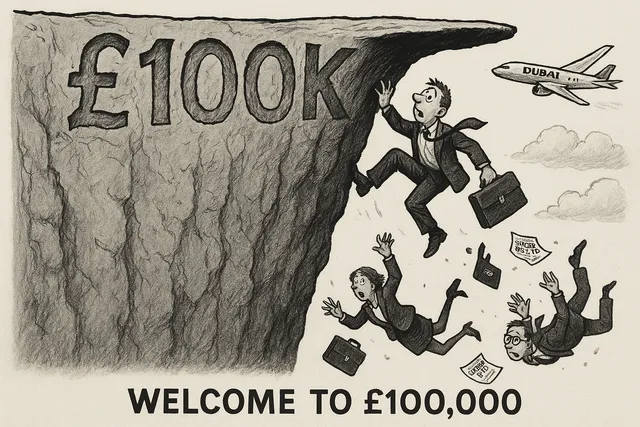
Taxation
The mathematics of modern Britain reveal a peculiar achievement: we've constructed a tax system where earning £99,999 leaves you better off than earning £149,000. This isn't a quirk or an oversight. It's the logical endpoint of a state apparatus that views productive citizens primarily as revenue sources to be squeezed, rather than assets to be cultivated.
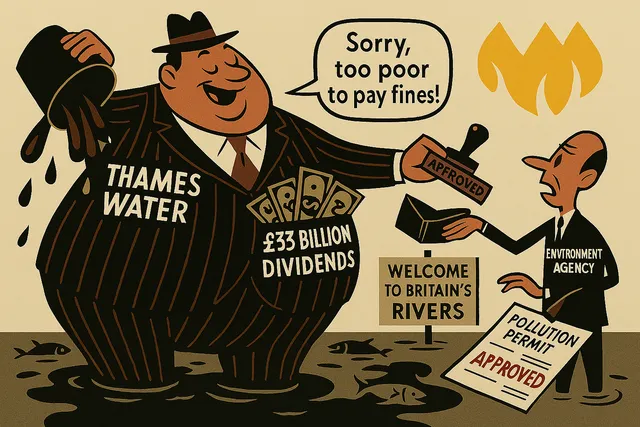
Water Crisis
English water companies dumped raw sewage into rivers and seas at record-breaking levels in 2024, with serious pollution incidents surging 60% in a single year. While politicians promised a crackdown on water pollution, the reality is stark: 75 serious incidents poisoned waterways last year, up from 47 in 2023.
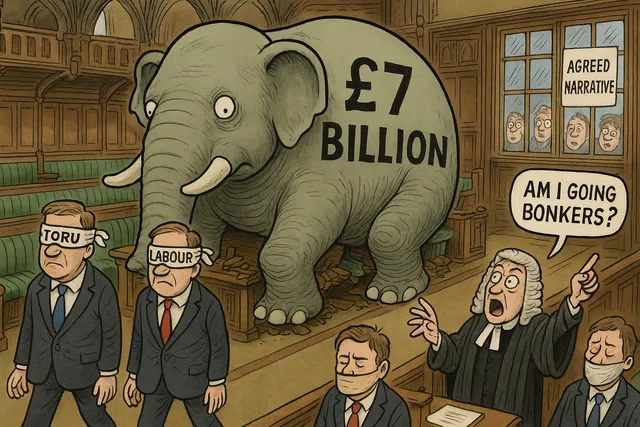
Democratic Accountability
For 683 days, Britain's government used an unprecedented super-injunction to hide a £7 billion Afghan resettlement scheme from Parliament, media, and voters—threatening journalists with jail if they even mentioned its existence. This wasn't just Tory deception: Labour seamlessly continued the cover-up after taking power, with Defence Secretary John Healey admitting "political and reputational considerations" drove the conspiracy. When High Court judge Mr Justice Chamberlain discovered the scale of the deception, he asked "Am I going bonkers?"—not because he was confused, but because he was witnessing the death of democratic accountability in real time. The case proves that Britain's political class now views democracy as an inconvenience to be legally suppressed, with both major parties collaborating to actively deceive the public while spending billions in secret through general elections, facing zero consequences when eventually exposed.
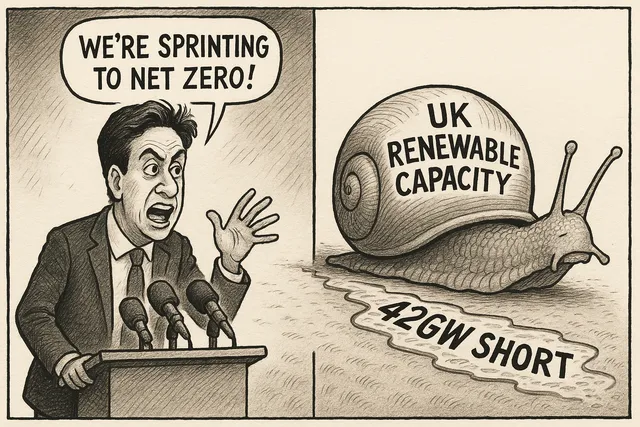
Net Zero
While Ed Miliband claims to be "sprinting to clean power by 2030," his own government's energy system operator quietly admits Britain will produce almost a third more carbon emissions than needed to meet legally binding climate targets. The gap between ministerial rhetoric and measurable reality has become a chasm.

Asylum Policy
The Economist's proposal to "scrap the asylum system" represents the final capitulation of Western liberalism to its own failures. After decades of mismanaging migration policy, the establishment now proposes to abandon the 1951 Refugee Convention entirely—not to create something genuinely better, but to legitimise what they've already been doing: turning desperate people into political pawns while pretending to care about both human rights and border control.
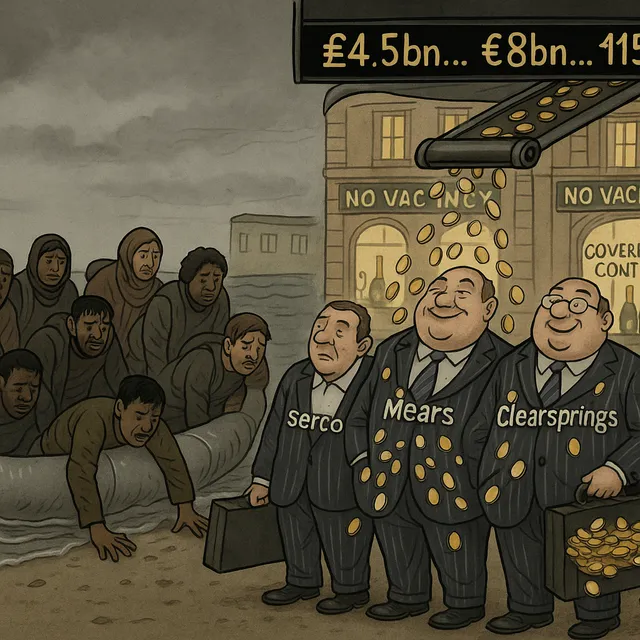
Asylum Policy
The National Audit Office has revealed what happens when political grandstanding meets contractual reality: asylum accommodation costs have exploded from £4.5 billion to £15.3 billion over ten years. This isn't a miscalculation—it's a masterclass in how modern Britain converts public crises into private profit.
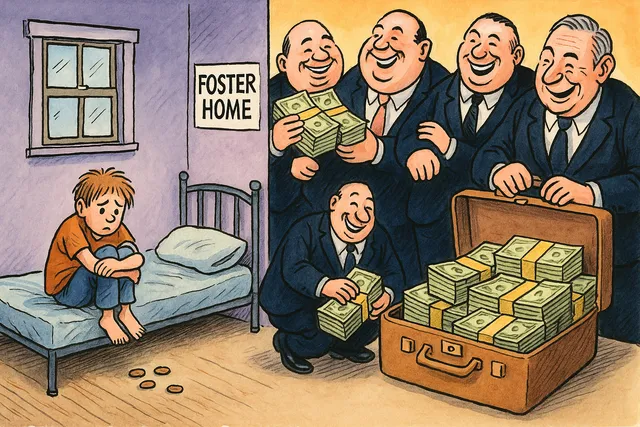
Foster Care
While politicians debate child welfare reforms, private equity firms have quietly transformed foster care into a £104 million profit machine. Almost a quarter of England's foster placements now exist primarily to generate returns for investment funds, with vulnerable children reduced to revenue units in sophisticated financial models.

Surveillance
While British politicians still invoke Churchill and speak of defending democracy worldwide, their own freedom rankings have quietly slipped below Romania and Nigeria. The UK has lost its status as an "Open" society for free expression—a designation it held since measurements began—and now pioneers surveillance techniques that authoritarian regimes watch with interest.

Britain
While politicians debate immigration statistics, a more fundamental shift has occurred: Britain's institutional class has actively endorsed the principle that the nation belongs more to recent arrivals than to those whose families built it over centuries. The evidence isn't hidden in policy documents or parliamentary debates. It's proclaimed from festival stages and broadcast across social media with institutional approval.
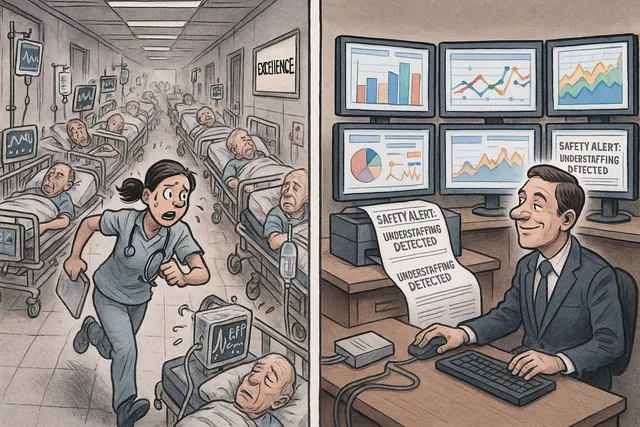
NHS
The NHS announced an AI system to detect patient safety scandals early, following murders by nurse Lucy Letby and 1,200 deaths at Mid Staffordshire Hospital. While positioned as preventive innovation, the technology monitors failures rather than addressing their root cause: chronic understaffing that leaves single nurses caring for 15+ patients. This represents classic institutional decline - sophisticated failure detection replacing basic competence in prevention.
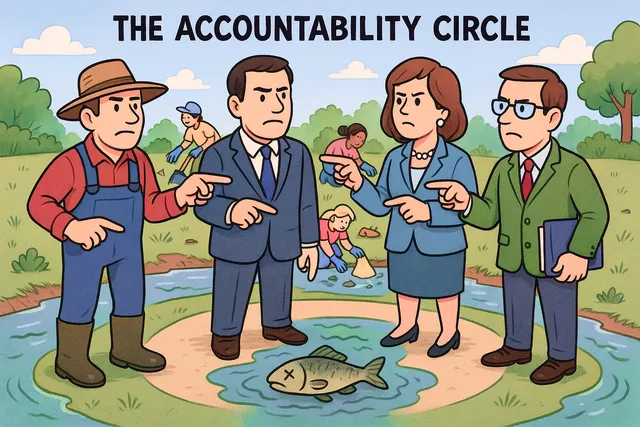
Environment
87% of Welsh voters support pollution action that institutions claim to be taking, yet waterways continue failing. The gap between public will, official process, and actual outcomes reveals how UK governance produces non-functioning results through functioning bureaucracy.
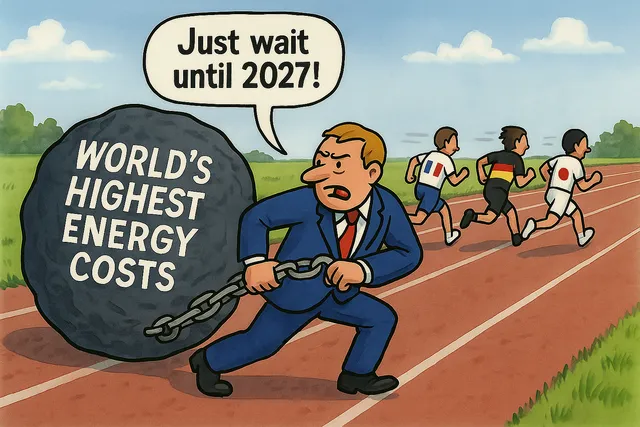
Energy Policy
While Business Secretary Jonathan Reynolds announced plans to cut industrial energy costs, he inadvertently confirmed what has become a defining characteristic of modern Britain: world-leading failure dressed up as forward-thinking policy. The UK maintains the highest industrial electricity prices in the G7, a distinction that has persisted across multiple governments, and the solution being trumpeted won't begin until 2027—three years from now.
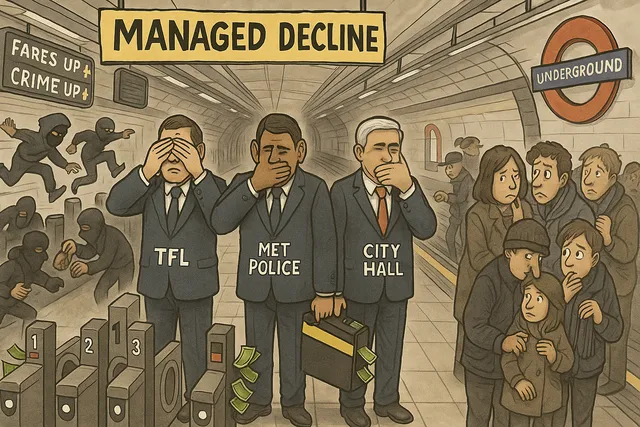
London
London's disorder is not only a failure of governance but also deliberate policy choice by Britain's institutional classes to redefine normalcy downward. From rampant fare evasion to the normalization of drug dealing, the managed decline of public order serves powerful interests while leaving citizens to bear the costs.
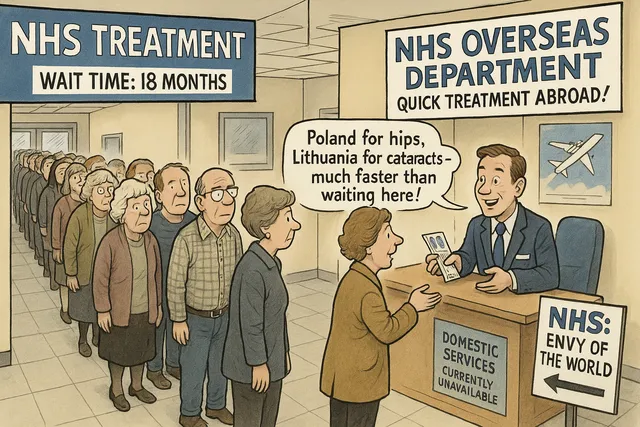
NHS
While politicians continue proclaiming the NHS as the "envy of the world," British patients are now fleeing to Poland, Lithuania, and the Czech Republic for basic medical care their own healthcare system cannot provide. This isn't medical tourism—it's medical refuge, funded by a health service so broken that paying foreign hospitals has become cheaper than fixing domestic capacity.
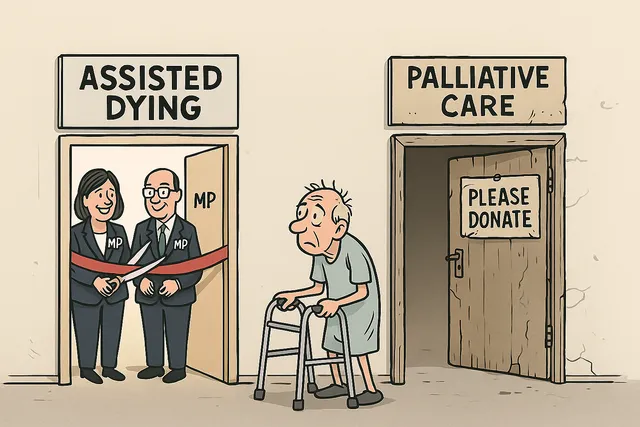
Assisted Dying
On a Friday afternoon in Westminster, 605 MPs decided the state should help terminally ill citizens die. What they didn't decide—because they couldn't—was how, when, or who would pay for it. This gap between legislative ambition and implementation reality reveals everything about how modern Britain actually functions.
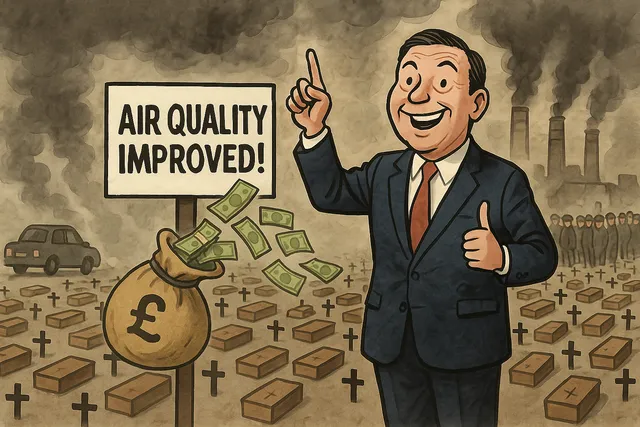
Air Quality
The Royal College of Physicians has delivered another damning assessment of British institutional failure, documenting how 99% of the UK population now breathes "toxic air" in what amounts to the largest preventable health crisis in modern Britain. Yet the response reveals everything about how this country's governing classes have learned to manage decline rather than prevent it.
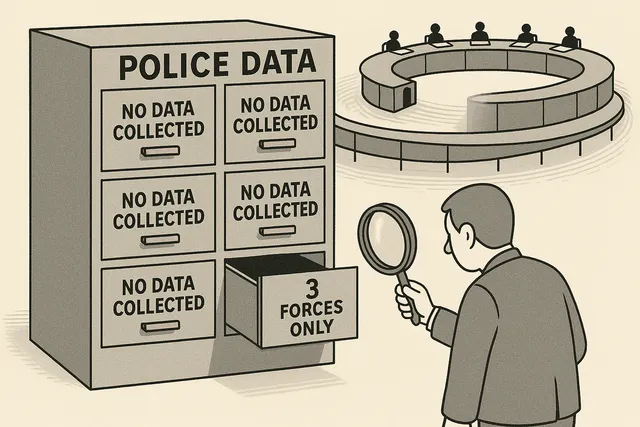
Grooming Gangs
Louise Casey's grooming gangs report has revealed a truth more damaging than the crimes it investigates: Britain's institutions have systematically avoided collecting the data necessary to understand and address widespread child sexual exploitation. Two-thirds of police forces have failed to record the ethnicity of perpetrators, creating what Casey diplomatically terms a "culture of ignorance."
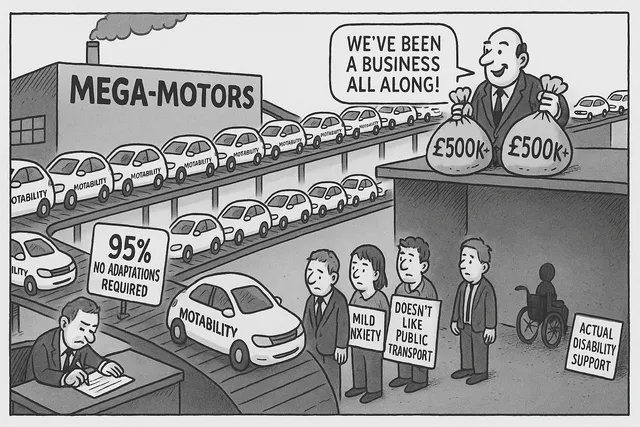
Motability
Lana Hempsall's investigation into Motability reveals a textbook case of institutional mission drift. What began as essential support for severely disabled individuals has morphed into Britain's largest vehicle leasing operation, operating under the protective umbrella of public benefit while generating substantial private returns.