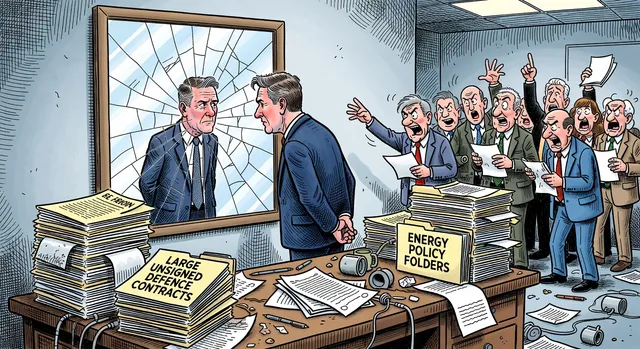
Labour Party
Labour Turns Inward While Defence Plans and Energy Support Stay Unsigned
Starmer's team tracks internal challengers while defence reviews, energy bill aid and multiple structural reforms remain stalled.
Facts first. Parties second.
18 articles
Labour Party
Starmer's team tracks internal challengers while defence reviews, energy bill aid and multiple structural reforms remain stalled.
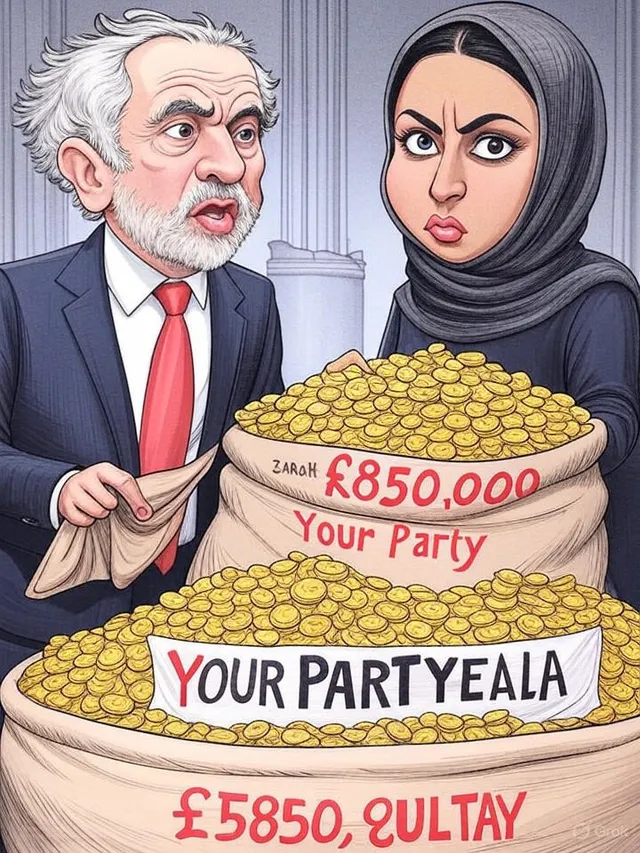
Your Party
Infighting over early donations exposes disunity in a nascent leftwing party, mirroring Labour's past fractures and weakening UK opposition renewal. Funds disputes risk derailing the launch amid leadership jostling.

Rachel Reeves
Rachel Reeves' unlicensed rental of her London home avoids investigation despite potential criminal breach, revealing systemic gaps in ministerial accountability that undermine public trust and policy credibility.
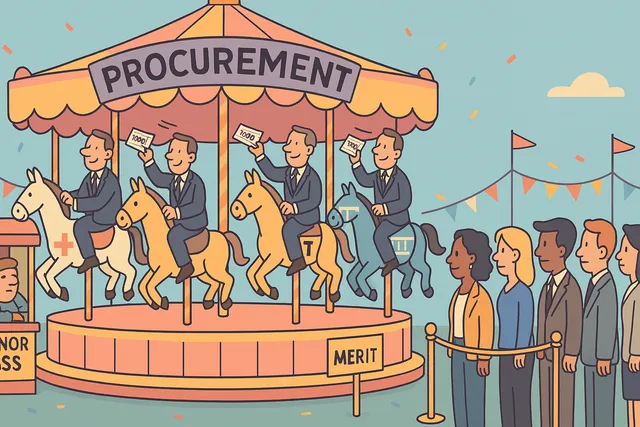
Political Donations
New research reveals that companies donating to political parties in the UK are consistently awarded government contracts worth billions, regardless of which party is in power. This analysis explores how Britain's procurement system effectively converts political donations into preferential access, undermining meritocracy and public trust in government spending.
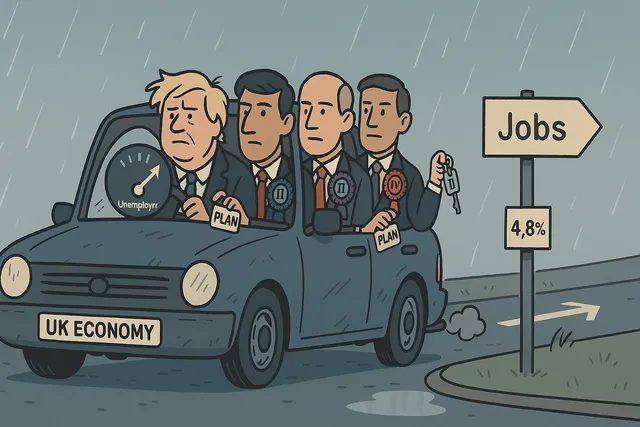
Economy
Unemployment in the UK has risen to 4.8%, the highest level since 2021, marking four consecutive years of increasing joblessness under four different governments. Despite promises of economic growth and renewal, average earnings are failing to keep pace with inflation, leading to a decline in real wages and living standards. This trend highlights systemic issues within Britain's economic framework that transcend political leadership.
Water Industry
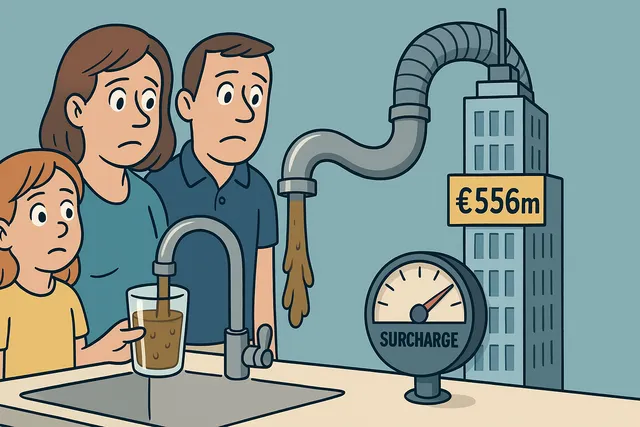
Five English water companies have successfully argued for higher bills to cover infrastructure failures they were supposed to maintain. The Competition and Markets Authority approved an additional £556 million in charges, on top of already planned 36% increases over five years. This comes as serious pollution incidents by water firms jumped 60% in a single year, highlighting a troubling pattern of privatized monopolies profiting from public goods while failing to deliver essential services.
UK Politics
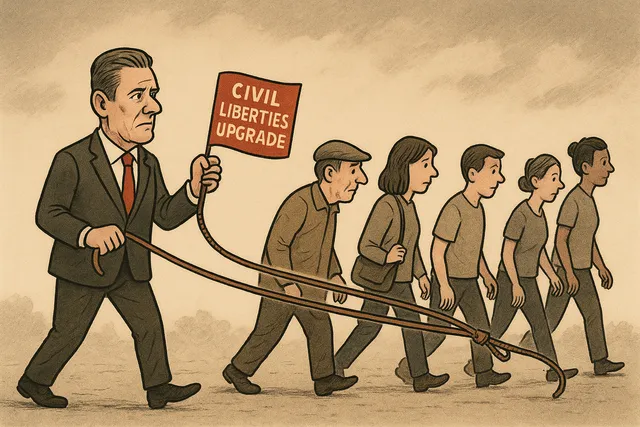
As the UK struggles with record illegal migration and asylum backlogs, Keir Starmer's proposal for mandatory digital ID cards for all working adults reveals deeper issues of governmental incompetence and authoritarian overreach. This analysis explores the implications for civil liberties and the future of British democracy.
Boris Johnson
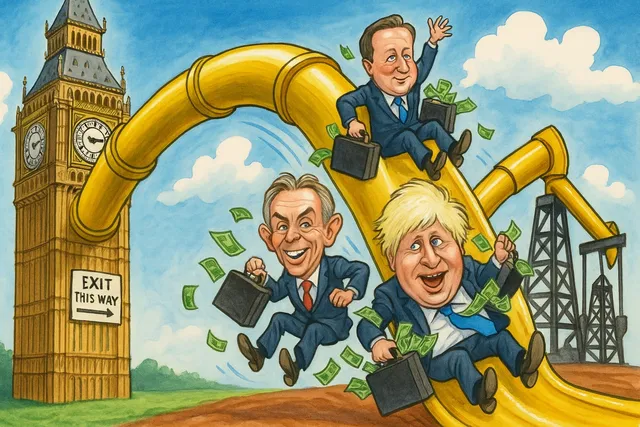
Boris Johnson's post-premiership activities reveal a troubling intertwining of public office and private profit, raising serious ethical questions. The leaked documents show a former prime minister leveraging his government contacts for lucrative deals with autocratic regimes, highlighting a broader pattern of institutional decay in British politics.
Politics
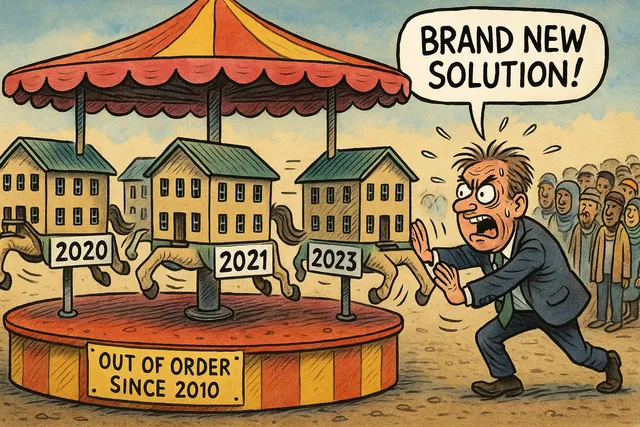
Defence Secretary John Healey's announcement to use military sites for asylum seekers is less a new solution and more a repetition of past failures. With asylum hotel costs at £8 million daily and no clear plan to end their use, the government is recycling failed strategies amid political panic rather than evidence-based planning. This move highlights Britain's institutional decay, where basic governmental functions are outsourced to military resources, reflecting a broader collapse in administrative competence.
UK Politics
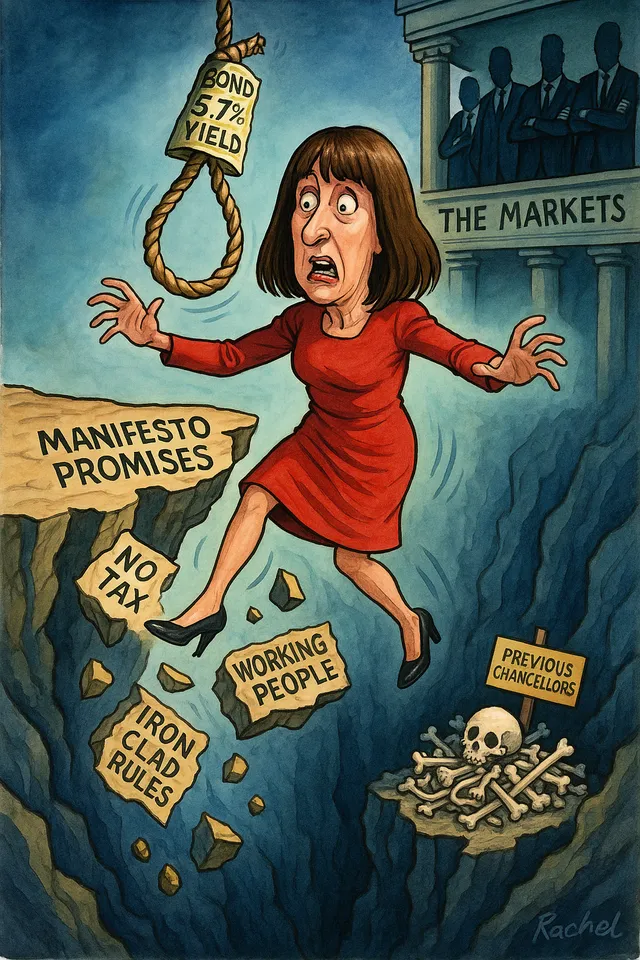
As the UK grapples with soaring borrowing costs and fiscal pressures, the gap between political promises and economic realities has never been more pronounced. Rachel Reeves is now faced with the challenge of reconciling these conflicting demands. This analysis delves into the implications for Labour's agenda and the broader political landscape.
Energy Crisis
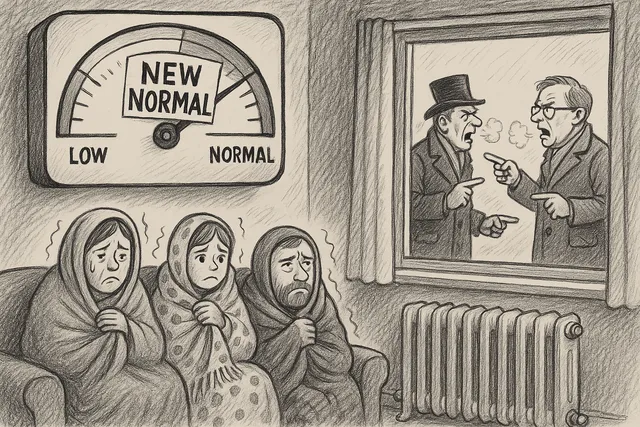
British households will pay £1,755 for energy from October - another increase sold as modest while families sink deeper into debt. The 2% rise announced by Ofgem marks the institutionalization of what was once called a "crisis" but is now simply the new normal for a country that cannot deliver basic affordable energy to its citizens.
Space Race
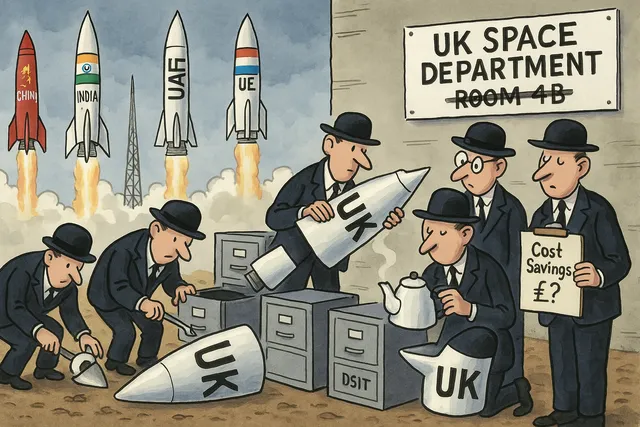
The UK Space Agency was established in 2010 to foster growth in the space sector, but its recent dissolution marks a significant regression in the country's space ambitions.
Net Zero
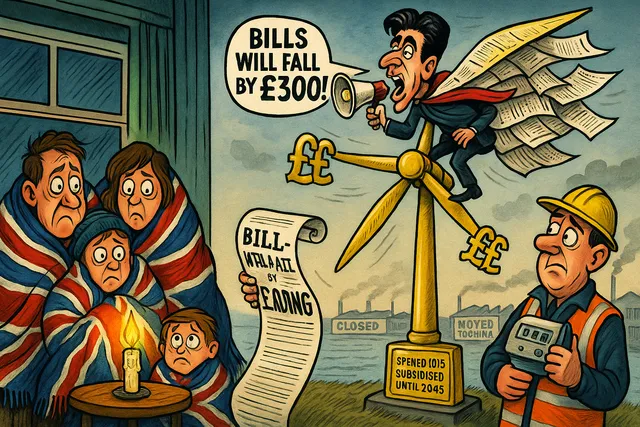
Ed Miliband's promise of cheaper electricity by 2030 clashes with the reality of soaring energy costs. The UK's net zero strategy, once hailed as a model for the world, is now a cautionary tale of political ambition outpacing engineering reality. As households face bills 20% higher than European neighbours, the question remains: who will pay the price for this green dream turned nightmare?
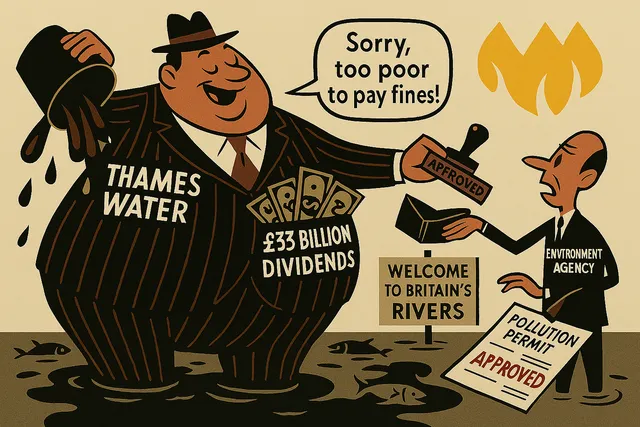
Water Crisis
English water companies dumped raw sewage into rivers and seas at record-breaking levels in 2024, with serious pollution incidents surging 60% in a single year. While politicians promised a crackdown on water pollution, the reality is stark: 75 serious incidents poisoned waterways last year, up from 47 in 2023.
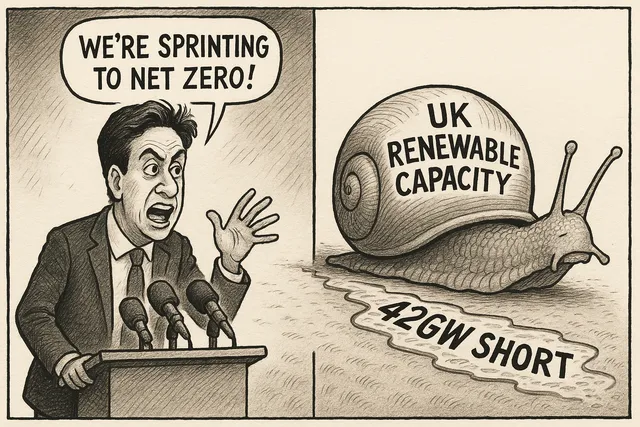
Net Zero
While Ed Miliband claims to be "sprinting to clean power by 2030," his own government's energy system operator quietly admits Britain will produce almost a third more carbon emissions than needed to meet legally binding climate targets. The gap between ministerial rhetoric and measurable reality has become a chasm.
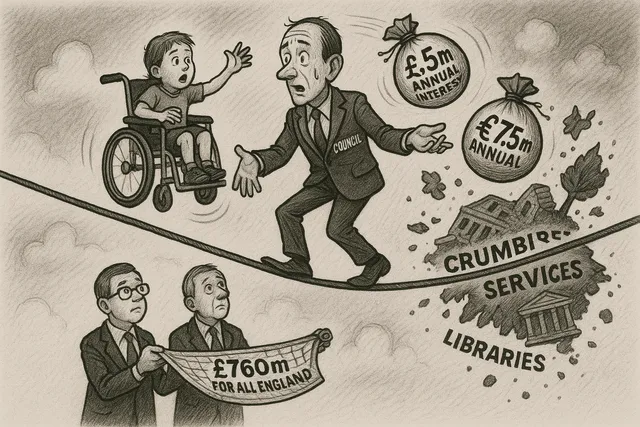
SEND
Bournemouth, Christchurch and Poole Council has declared itself "technically insolvent" due to special educational needs and disability (SEND) costs. The council faces a £171 million shortfall by March 2026. This isn't a future risk—it's a present reality masked by accounting tricks.
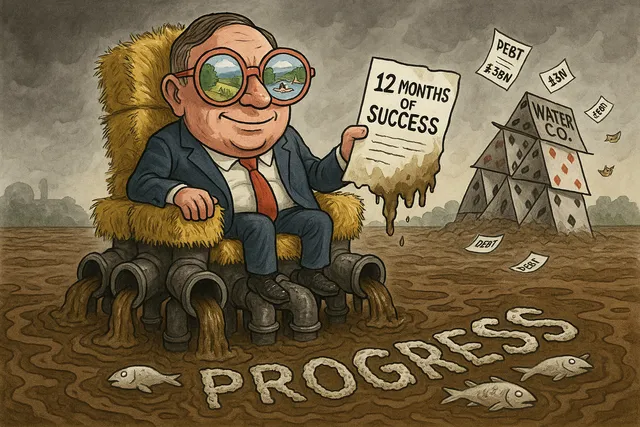
Politics
Steve Reed's appearance at Hertfordshire's Groundswell festival reveals the extraordinary disconnect between Labour's self-congratulation and Britain's accelerating institutional decay. While the Environment Secretary proclaimed "significant progress" from his hay bale podium, the nation's waterways continue to poison swimmers and Thames Water edges toward a collapse that will cost taxpayers billions.

Surveillance
While British politicians still invoke Churchill and speak of defending democracy worldwide, their own freedom rankings have quietly slipped below Romania and Nigeria. The UK has lost its status as an "Open" society for free expression—a designation it held since measurements began—and now pioneers surveillance techniques that authoritarian regimes watch with interest.