Translink Withdraws Evening Rail Connections in Northern Ireland
From April, Translink removes late train departures three nights a week, eliminates off-peak discounts and increases select tickets by £2, citing sustained energy costs and budget shortfalls affecting connectivity.
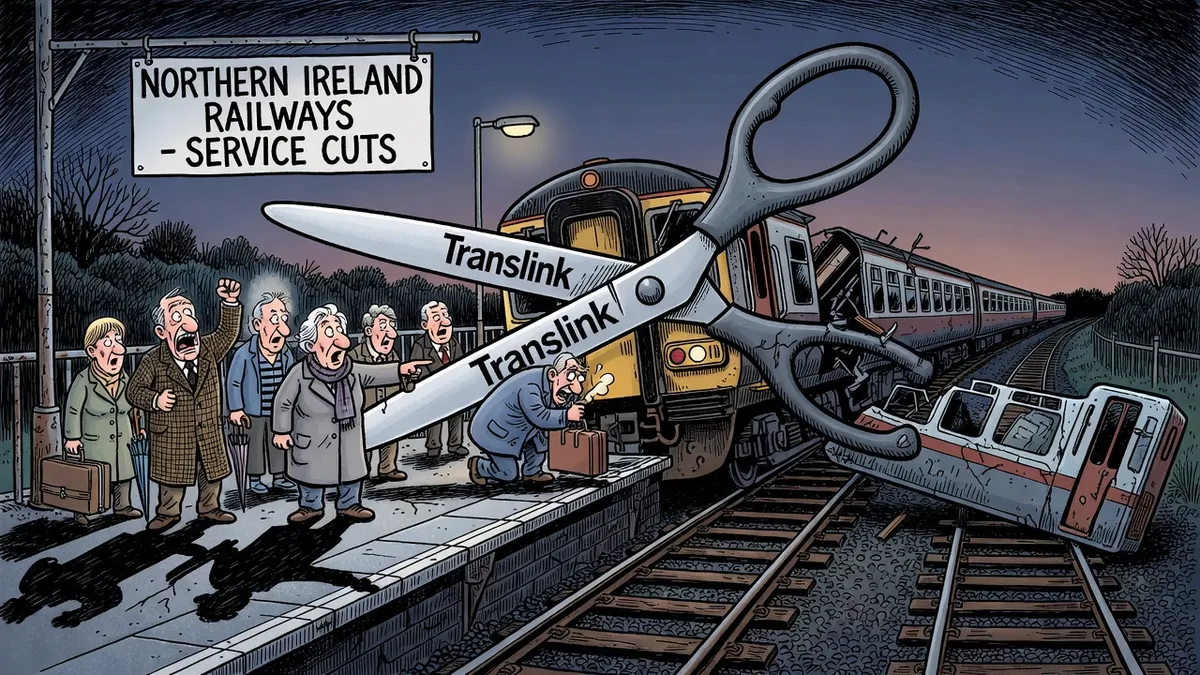
Translink will remove the last train departures across Northern Ireland on Mondays, Tuesdays and Wednesdays from April next year. The operator has also ended its 25 percent off-peak discount and raised several family and day tickets by £2 each. These moves follow repeated warnings of financial strain but deliver concrete reductions in evening connectivity.
The changes target services after 22:00 GMT three nights a week. Passengers arriving on the final Dublin train just before 11pm will lose onward connections. Only single tickets will be sold on trains, forcing return purchases through machines or online where available.
Translink attributes the cuts to sustained fuel and energy costs. Chief executive Gerard Carlin described the decisions as necessary while promising continued talks with the Department for Infrastructure. A 12-week consultation produced limited adjustments, including retention of the yLink youth discount through ministerial funding.
Northern Ireland already operates with constrained public transport options compared with Great Britain. Evening service withdrawal reduces access for shift workers, students and cross-border travellers without corresponding investment in alternatives. Ticket price rises add immediate costs to households already facing higher energy bills.
Funding and Governance Patterns
The Department for Infrastructure provides ongoing support yet has not reversed the underlying shortfall. Translink warned of service reductions six months earlier, initially fearing bus cuts as well. The outcome shows selective protection for some routes while rail connectivity contracts on the least profitable days.
This approach mirrors wider UK patterns of incremental service withdrawal. Energy price pressures and post-pandemic ridership shortfalls have produced similar adjustments elsewhere, but Northern Ireland faces them with fewer alternative operators and thinner timetables to begin with.
Effects on Daily Mobility
Residents reliant on late trains lose flexibility without notice periods that allow lifestyle adjustments. Family ticket increases of £2 compound across multiple journeys. The removal of return ticket sales on board adds friction for infrequent users who cannot access machines or online systems reliably.
These restrictions occur against a backdrop of persistent infrastructure underinvestment. Northern Ireland’s rail network remains limited in extent and frequency, making each timetable reduction proportionally more disruptive than equivalent changes on denser mainland systems.
The reductions confirm that transport provision in the region continues to contract under cost pressures without structural remedies. Ordinary users absorb the consequences through fewer options and higher fares while the underlying fiscal position remains unresolved.
Commentary based on Rail services and discounts are hit in Translink cutbacks at BBC News.
← Back to commentary