Treasury briefed markets on hidden fiscal headroom after Reeves' public panic
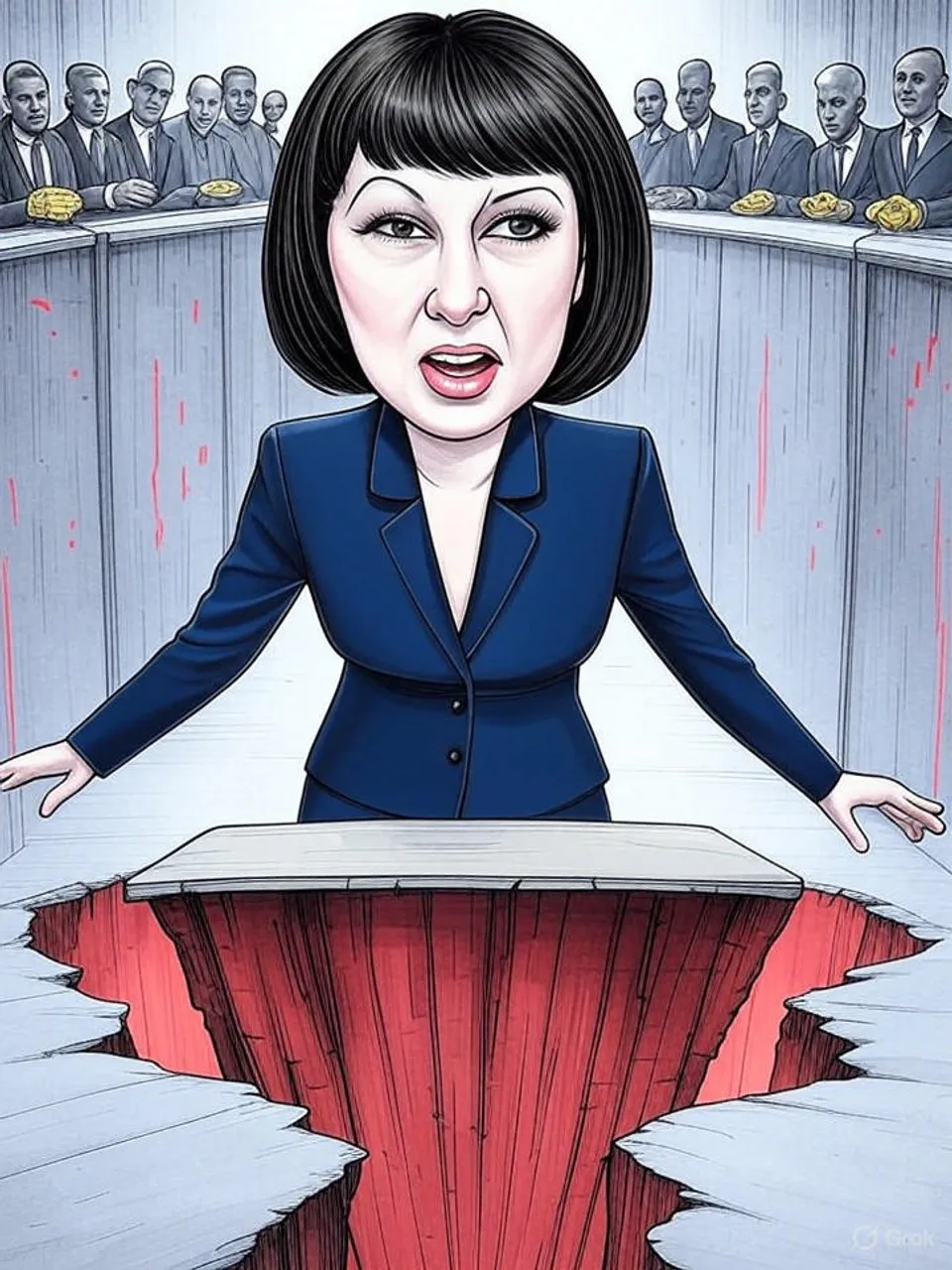
OBR slashed projected £20bn shortfall to £2.5bn; Chancellor proceeded with tax narrative
Rachel Reeves ignored favourable OBR forecasts, reversed tax signals politically, then leaked data to markets—exposing risks of FCA sanctions and deepening fiscal opacity.
Commentary Based On
Mail Online
Reeves will be lucky if the only punishment for this shameful deceit is the loss of her job: DAN HODGES
On September 17, the Office for Budget Responsibility informed Rachel Reeves that a projected £20 billion budget shortfall had contracted to £2.5 billion. This shift stemmed from higher real wages and inflation boosting revenues.
Reeves disregarded the update. In a November 4 speech, she portrayed dire finances, stating she must “deal with the world as we find it.”
Her aides followed up by signaling income tax rises. Markets anticipated contractionary policy.
Labour backbenchers rebelled. Focus groups flagged voter backlash over manifesto pledges.
Reeves reversed course. Basic tax rates stayed untouched, averting an open breach.
Bond yields spiked regardless. Government debt costs climbed on perceptions of fiscal wavering.
Treasury officials then contacted Bloomberg’s Alex Wickham. They disclosed the confidential OBR forecast, framing the reversal as economic prudence, not politics.
Reeves had pledged no tax hikes on working people. She repeated this in last year’s Budget, rejecting threshold freezes as harmful.
The Autumn Budget extended the freeze regardless. This fiscal drag extracts £26 billion over five years, hitting incomes as inflation pushes more into higher bands.
The OBR later confirmed the headroom. Reeves’ narrative of inherited chaos dissolved under scrutiny.
Selective Disclosure Risks Sanctions
Shadow Chancellor Mel Stride demanded a Financial Conduct Authority probe. He cited unauthorised briefing of sensitive data as potential market manipulation.
FCA rules prohibit such acts. Penalties include up to ten years imprisonment and unlimited fines.
Reeves contributed to Bank of England research in 2005 on market reactions to official communications. She noted speeches can drive large price swings.
Denial implicates Treasury leakers. Admission ties her to the breach.
Labour MPs now question her judgment. One anonymous source called the strategy baffling, predicting exposure.
Patterns of Fiscal Opacity Persist
This episode echoes prior Budget communications. Reeves highlighted productivity woes but omitted OBR-noted wage offsets easing fiscal rules.
Public sector pensions escaped scrutiny while private schemes faced £56 billion extraction. Transparency gaps recur.
Governments since 1997 deploy similar tactics. Selective forecasts justify hikes; leaks stabilise fallout.
Institutions shield ministers. No prior Chancellor faced FCA scrutiny for comparable briefings.
Citizens bear the load. Threshold freezes erode take-home pay by £1,000 annually for average earners by 2029, per OBR estimates.
Productivity stagnates at 0.4% annual growth since 2008. Tax raids lock in the cycle.
Voters detect deceit. Polls show majority demand her resignation.
Accountability evaporates. Reeves survives on party loyalty, not delivery.
Political survival trumps candour. A pre-election “war chest” from concealed headroom buys votes with recycled revenues.
UK fiscal discourse erodes further. Chancellors across parties prioritise narrative control over verifiable facts.
This reveals institutionalised distortion at the highest levels. Britain’s economic governance prioritises short-term political containment over sustainable transparency, entrenching decline for working households.
Commentary based on Reeves will be lucky if the only punishment for this shameful deceit is the loss of her job: DAN HODGES by Dan Hodges on Mail Online.