Trillion Pounds Offshore While Recoveries Stay Flat
Offshore balances exceed £1tn as identification gaps and limited enforcement leave most estimated losses unrecovered.
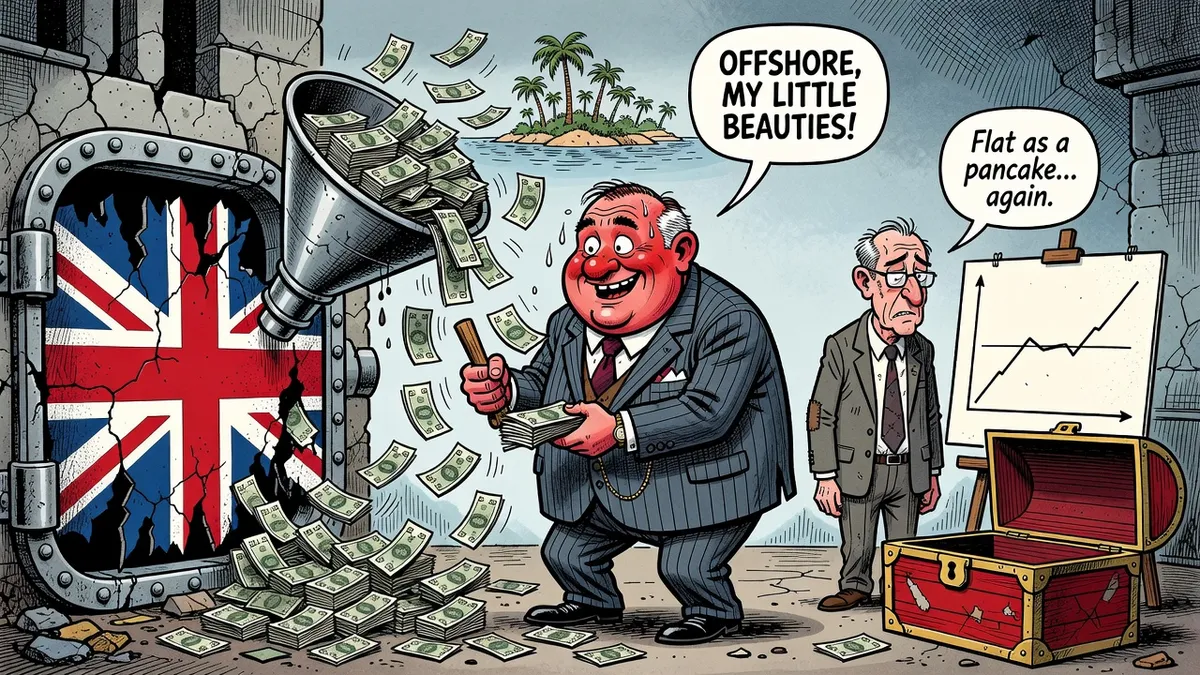
HMRC data shows £1tn held in havens with annual collections averaging just £125m
UK taxpayers now hold more than £1 trillion in offshore accounts classified as tax havens. HMRC data obtained by TaxWatch shows a 10% increase between 2022 and 2024. Recovery of unpaid tax from these accounts averages £125 million annually.
This figure sits well below HMRC’s own earlier estimate of £200 million to £700 million in annual unpaid tax across offshore holdings. The gap persists even after international agreements such as the common reporting standard began exchanging account information.
Identification and Matching Problems
One fifth of offshore accounts declared through the reporting system lack a unique taxpayer identifier. Banks and financial firms are meant to collect these identifiers, yet the absence leaves HMRC unable to match accounts to individuals in many cases.
Without reliable matching, enforcement remains limited to the accounts that arrive already linked to known taxpayers. Complex structures beyond simple named accounts receive even less scrutiny, according to TaxWatch director Mike Lewis.
Enforcement Capacity
HMRC has assigned compliance managers to more than 200 billionaires and plans to add 400 staff focused on wealthy offshore non-compliance by 2030. Officials project this effort will contribute to an additional £10 billion in tax revenue by that date.
Current annual recoveries remain a fraction of the estimated shortfall. The authority has also delayed publishing comprehensive estimates of total unpaid offshore tax, leaving performance benchmarks incomplete.
Fiscal Pressure Points
The £1 trillion figure arrives as multiple government departments log financial shortfalls on their risk registers. Revenue not collected from offshore holdings adds directly to the amount that must be raised from other sources or cut from spending.
Successive administrations have relied on international reporting frameworks while domestic matching and enforcement capacity lagged. The result is a persistent revenue leakage that scales with the size of offshore balances rather than shrinking under new rules.
Britain’s tax system therefore collects less than its statutory rates imply. The difference appears in higher borrowing, reduced services, or increased burdens on compliant domestic taxpayers.
Commentary based on UK taxpayers held more than £1tn in offshore tax havens, latest HMRC data shows by Kalyeena Makortoff on the Guardian.
← Back to commentary