Tube Strike Proceeds After Four-Day Week Offer Collapses
Negotiations ended without agreement, triggering a 24-hour walkout that will close services across the capital from noon on 26 November.
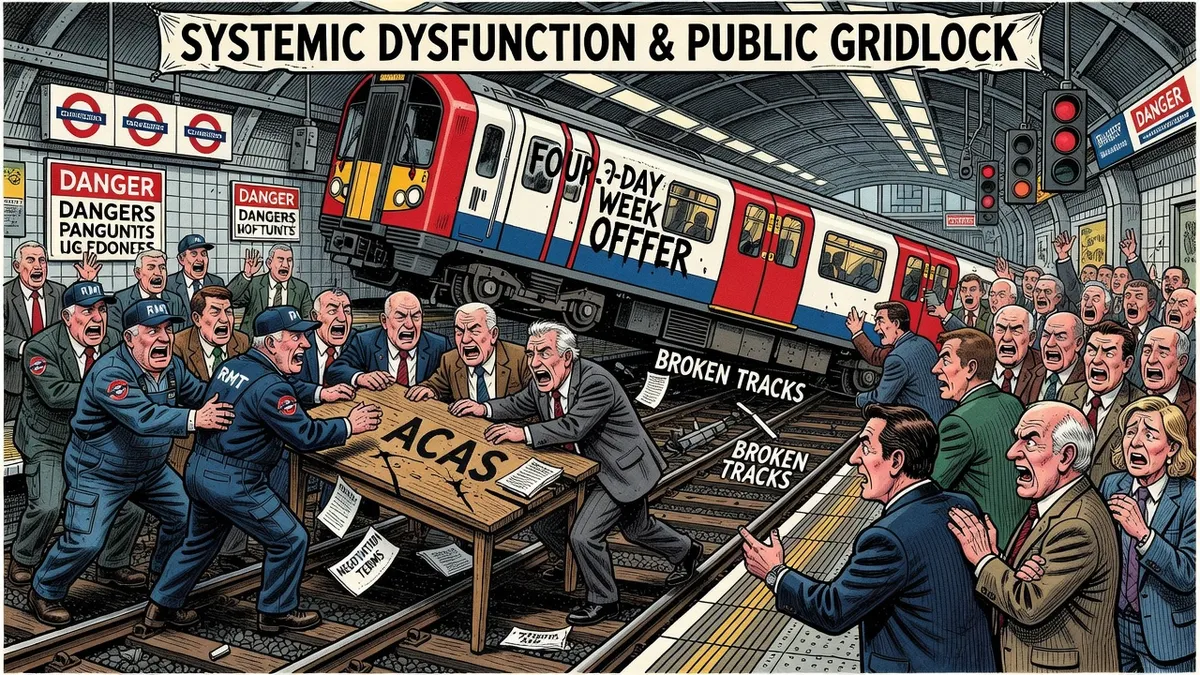
RMT rejects London Underground proposals over shift and leave protections
London Underground drivers will walk out for 24 hours on 26 November after talks at Acas failed to resolve disputes over a proposed voluntary four-day week. The RMT union maintains that the offer requires drivers to accept longer duties, earlier starts, later finishes and weakened rules on annual leave and transfers. Management states the scheme remains optional and includes guarantees for those preferring five-day patterns.
The union has pressed its objections since March 2025. It claims the changes would increase time spent driving trains and expose drivers to short-notice roster alterations regardless of their chosen pattern. London Underground counters that it has revised the terms to protect existing five-day arrangements and has offered further discussions if the strike is suspended.
Service disruption will affect all Underground lines from noon on the strike day. Passengers face reduced frequencies and altered journey times across a network already operating below full capacity in many periods. No alternative staffing arrangements have been confirmed to mitigate the walkout.
This dispute follows a pattern of repeated ballots and stoppages involving both RMT and Aslef on the same network. Each round centres on attempts to adjust working practices against resistance to any perceived erosion of existing conditions. The result is periodic closure of key routes with limited scope for rapid recovery.
Public transport reliability in London has declined through successive cycles of such action. Commuters and businesses absorb the costs in lost time and rearranged schedules while the underlying terms of employment remain contested. No independent assessment of the four-day week’s operational impact has been published to inform the disagreement.
The Acas process concluded without agreement after management refused to alter core elements of the offer. Both sides now resume positions that have produced the same outcome in prior negotiations. Drivers retain the right to reject the package, and the union retains the leverage to enforce further disruption.
London’s underground system continues to operate under the same constraints that have produced intermittent shutdowns for years. The current strike simply extends that record without resolving the structural conflict between operational flexibility and protected conditions.
Commentary based on Become an Independent member to bookmark this article at The Independent.
← Back to commentary