Unbarriered Platforms Claim Sixth-Form Girl
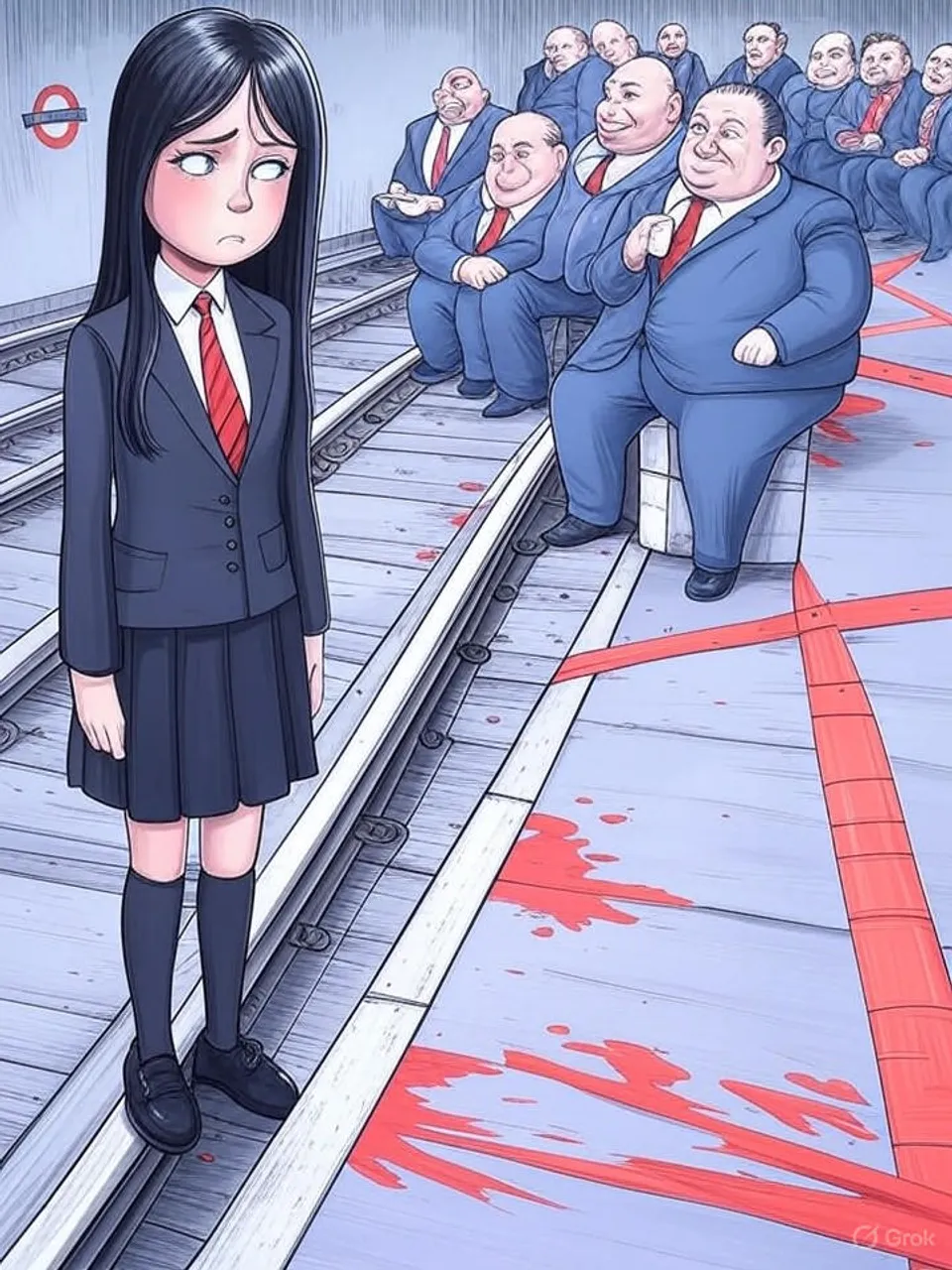
Loughton incident logs 300th rail suicide amid stalled safety upgrades
A 16-year-old's fatal fall at Loughton station exposes persistent gaps in platform safety and youth mental health support. Cross-party delays leave tracks lethal despite decades of warnings.
A 16-year-old girl died on the tracks at Loughton Underground station on December 15. British Transport Police ruled the incident non-suspicious, with paramedics unable to save Daisy House despite hospital efforts. Platforms offered no barrier to prevent her fall.
Rail fatalities persist at scale. Network Rail data logs around 300 suicides annually across UK tracks, with the Underground contributing dozens. Loughton, on the Central line, repeats the pattern without installed platform-edge doors standard on newer systems.
Daisy had just entered Sixth Form. Her family described a “bright, beautiful, clever and funny” daughter with a future ahead. Official responses limit to condolences and thanks to first responders.
Mental health crises drive these deaths. Youth suicide rates climbed 20% since 2010, per ONS figures, amid NHS waiting lists topping 1.8 million for children. Schools and transport hubs absorb the strain as specialist services buckle.
British Transport Police attended promptly. Yet BTP faces 15% staff shortages, diverting officers from patrols to welfare calls. The force investigated 5,000 mental health incidents last year alone.
Transport for London pledges safety upgrades. TfL committed £100 million for platform doors by 2025, but only 20% of deep-tube stations comply. Cross-party governments delay full rollout since 2001 recommendations.
Historical inertia defines the response. The 1994 Clapham inquiry urged barriers after 31 deaths; implementation crawls three decades later. Annual costs of inaction exceed £50 million in disruptions and compensation.
Families bear the loss. Daisy’s parents thanked a specific BTP officer and paediatric nurses for kindness amid failure. No policy shift follows individual tragedies.
Institutional priorities misalign. Billions fund Crossrail extensions while basic protections lag. Voters fund the gap: TfL subsidies hit £1 billion yearly from taxpayers.
Youth vulnerability exposes the fracture. One in five 16-year-olds reports severe anxiety, per NHS surveys, with rail access points unmonitored. Functional governance installs doors first, queries mental health second.
Police non-suspicious rulings recur. Over 90% of track fatalities close without prosecution, per Rail Safety records. Patterns evade scrutiny as numbers normalize.
The Underground serves 3.5 million daily. Unprotected platforms turn routine commutes into risks for the desperate. Daisy’s death registers as statistic 300-plus in 2024.
Governments rotate without remedy. Labour’s 1997-2010 decade saw 2,000 rail suicides; Conservatives added 2,500 through 2024. Labour’s return promises no acceleration.
This incident reveals transport as social safety net’s weak link. Platforms kill methodically while services fail the vulnerable upstream. Britain’s infrastructure documents decline one preventable death at a time.
Commentary based on ‘Beautiful and clever’ girl, 16, killed in London Underground station at Metro.