Whistleblower Gagged After Database Leak Alert
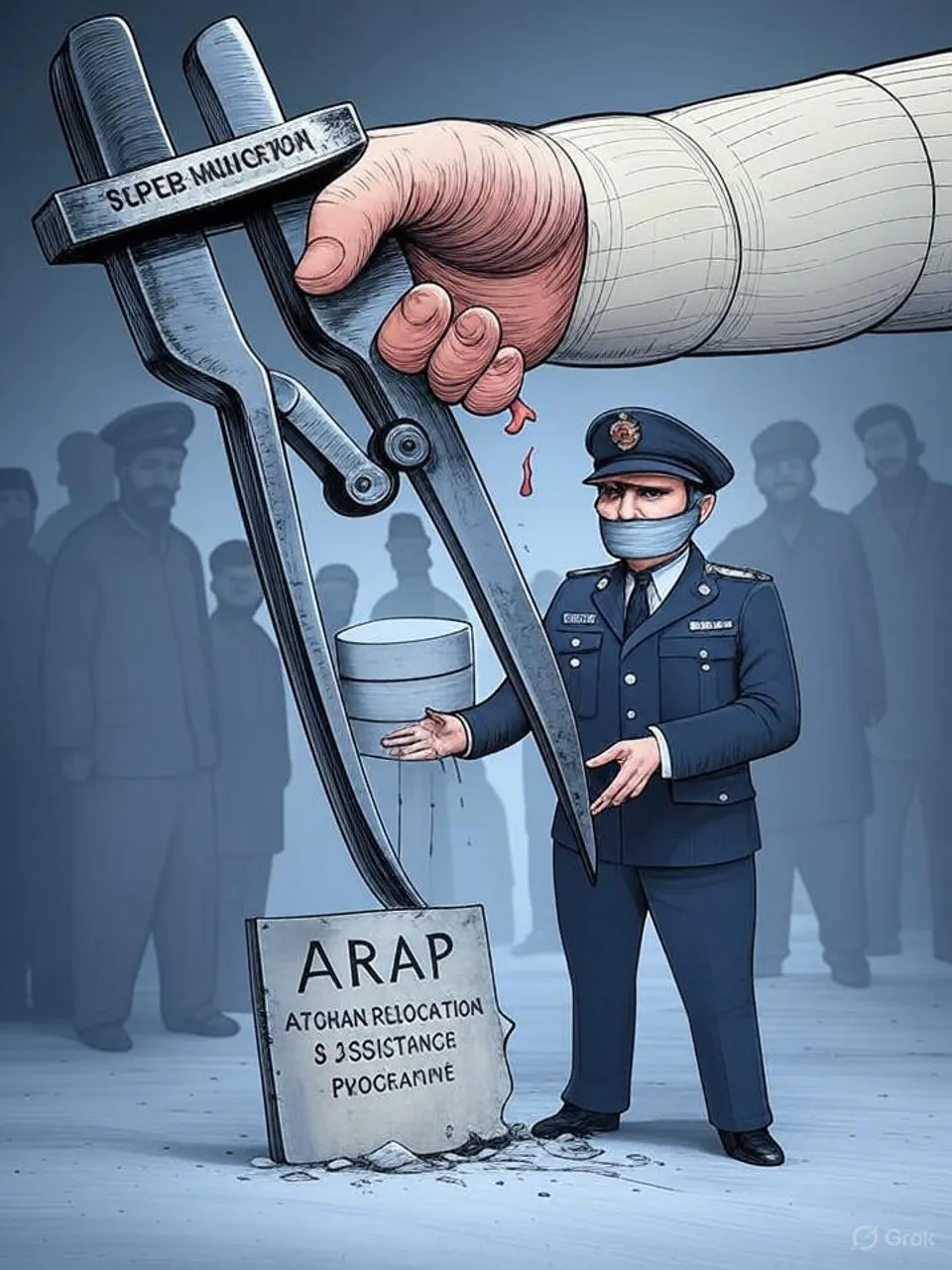
Defence Committee transcript details ignored 2021 warning on Afghan data exposing thousands to Taliban risk
A whistleblower's early alert on a massive Afghan resettlement data breach drew official silence then a super-injunction, exposing institutional secrecy over ally safety amid ARAP failures.
The Defence Committee transcript reveals Person A warned the Ministry of Defence on 14 August 2021 about a massive data breach exposing Afghan resettlement details. Officials offered no immediate response. Weeks later, they served a super-injunction that barred the whistleblower from even acknowledging the leak.
The breach surfaced when a supported family spotted sensitive files posted anonymously on Facebook. The poster claimed tens of thousands of entries from an internal database. Person A, aiding former Afghan security personnel during Kabul’s fall, raised the alarm through government contacts.
No action followed the initial alert. Formal contact arrived only in a meeting where officials sprung the injunction. Person A described daily life upended, with parliamentary speakers later detailing its chokehold on Commons and Lords functions.
Afghans in the leaked files panicked over Taliban reprisals. When the gag lifted, Person A fielded over 5,000 messages from those exposed. Many believed militants gained confirmation of UK-linked individuals.
Risk Assessment Challenged
Government analysis deemed the breach low-risk. Person A contested this, citing on-the-ground knowledge of Taliban hunts for Afghan partners. No one with Afghanistan experience endorsed the official view.
Whistleblower intelligence on militant training went uncollected. Person A reported having “nowhere to pass it on to.” No government body followed up.
ARAP scheme flaws persist. Inconsistent eligibility rulings and Home Office delays strand approved families. Some interpreters and special forces partners faced deportation to Afghanistan mid-process.
Rejections leave applicants destitute. Person A documented torture cases and forwarded evidence to the MoD. The system remains “not fit for purpose.”
This echoes Home Office ledgers tracking 53,298 unlocated illegal migrants, including offenders. Afghan resettlement gaps recur, from data leaks to vanishing cases.
Institutional secrecy trumps transparency. Super-injunctions shield failures while exposed individuals bear risks. Officials face no reckoning.
Parliament probes continue, with a public session set for 9 December. Yet patterns hold: warnings ignored, gags imposed, vulnerabilities unaddressed.
The transcript lays bare defence and migration machinery’s core defect. Bureaucratic self-preservation overrides ally protection and public accountability. Ordinary citizens fund these breakdowns through unchecked spending on flawed schemes.
UK governance treats whistleblowers as threats, not assets. Data breaches expose allies to death squads, yet provoke cover-ups, not fixes. This machinery, unchanged across administrations, erodes national security and trust in equal measure.
Britain’s decline manifests in abandoned promises to Afghan partners. Commitments forged in battle dissolve into administrative voids. Power protects itself, leaving partners—and citizens—to the consequences.
Commentary based on Committee release data breach whistleblower testimony by Lisa West on UK Defence Journal.