Whitehall Leadership Confesses to Systemic Timidity
The UK's top civil servant admits institutional risk aversion while launching another internal review with no external accountability attached.
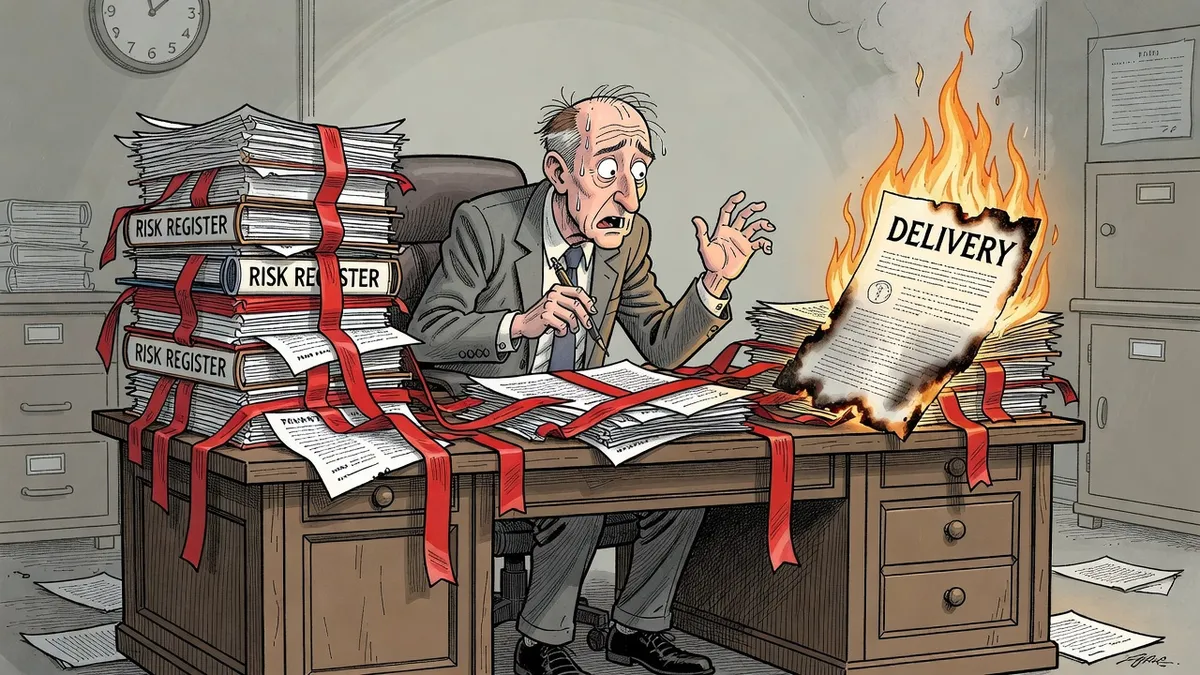
Cabinet secretary pledges rewiring as productivity and fiscal pressures mount
Whitehall’s most senior official has declared the civil service too tame, reactive and risk-averse while announcing another internal review to address productivity shortfalls.
The admission comes from cabinet secretary Antonia Romeo at a time when ministers face simultaneous demands for higher defence spending and protected public service budgets under tight fiscal limits. Romeo described the changes as a complete rewiring, including expanded bonuses for top performers and stronger action against underperformance.
She noted that poor performers drive out stronger contributors and that excessive job churn prevents officials from gaining expertise in their roles. A full organisational review is scheduled for spring, covering departmental structures, AI integration and devolution effects.
Past Pledges and Current Constraints
Similar reform language has appeared under successive governments without measurable shifts in output or accountability. Romeo stated that recent bonus adjustments represent only the beginning of performance management changes.
The civil service continues to operate within the same incentive structures that reward sideways moves for pay increases rather than sustained delivery in one position. Ministers have endorsed the vision, yet no specific metrics or timelines for productivity gains have been attached to the new approach.
Fiscal Pressures and Delivery Gaps
Romeo linked the need for reform directly to the tight fiscal context and external uncertainties from AI and global tensions. Public spending decisions now require trade-offs between defence commitments and core services, with no indication that existing processes can resolve them faster.
The proposed use of AI to reduce bureaucracy and enable predictive services assumes the same organisation can implement technology effectively while addressing its acknowledged siloed and reactive habits. Historical patterns show that internal reviews rarely alter these behaviours when accountability remains internal.
Structural Incentives Remain Unchanged
Romeo identified criticisms of tameness and risk aversion as issues requiring attention, but the proposed fixes stay within existing management frameworks. Training managers to act on poor performance and reducing churn address symptoms rather than the absence of external consequences for repeated delivery failures.
Departments continue to expand or maintain headcount even as outcomes in areas such as infrastructure, procurement and regulatory speed show persistent shortfalls compared with peer nations. The review itself adds another layer of process before any structural decisions.
This latest self-assessment confirms that the civil service diagnoses its own shortcomings yet retains the authority to define and pace any remedies. The result sustains a system where reform announcements substitute for altered performance, leaving fiscal constraints and service delivery shortfalls to compound over successive administrations.
Commentary based on Whitehall is too ‘tame, reactive and risk-averse’, says UK’s top civil servant by Rowena Mason on the Guardian.
← Back to commentary