Zipcar's Flex Model Crumbles Under UK Costs
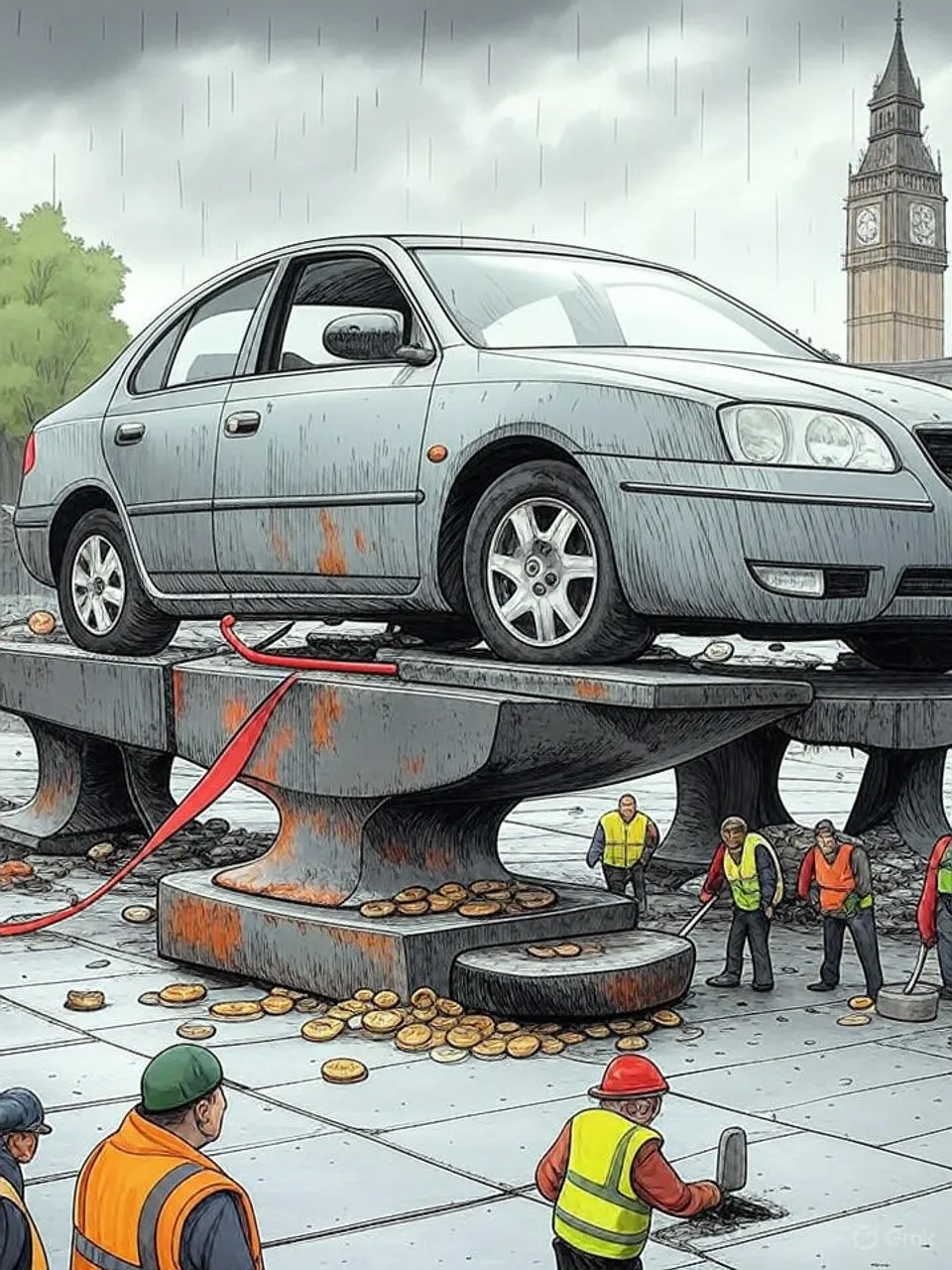
£11.7m loss forces world's largest car-share firm to abandon London fleets
Zipcar closes UK operations after heavy losses, highlighting how high costs and regulations drive global innovators from Britain's cities. Sustainable transport goals suffer as urban mobility options shrink.
The world’s largest car-sharing firm suspends new bookings after December 31. Owned by US giant Avis Budget, it axes operations across London, where its “flex” model let users park anywhere in resident bays. Staff face redundancy consultations; the UK unit employed 71 people last year.
Losses piled up fast. Zipcar UK posted an £11.7m deficit for 2024 alone. Revenues fell in key markets, prompting Avis to slash the subsidiary’s valuation earlier this year.
Car-sharing boomed during the pandemic. App-based hourly rentals from Zipcar, Enterprise, and others filled gaps left by public transport curbs. Peer-to-peer platforms like Turo unlocked private cars too.
Fleet operators never turned consistent profits. High maintenance costs dogged scattered urban vehicles—repairs, cleaning, insurance, fuel. London’s density amplified these, with no fixed bays to streamline operations.
The “flex” innovation suited UK cities. Users grabbed cars round-the-clock, parked flexibly in central zones. Yet this freedom drove up wear from misuse, theft risks, and enforcement hassles.
Sustainable transport takes a hit. Car-sharing cuts emissions by replacing household vehicles with shared ones. London loses thousands of access points, pushing users back to private cars or strained buses.
Job losses compound the damage. Seventy-one roles vanish amid national unemployment pressures. No retraining pledges or government offsets appear in the announcement.
UK costs explain the retreat. Recent budget hikes added employer National Insurance burdens, hitting service firms hard. Congestion charges, ULEZ fees, and rising wages squeeze margins further.
Energy and insurance bills remain elevated post-Ukraine crisis. Vandalism surges on public assets, as seen in TfL’s endless graffiti cleanup. Foreign owners weigh these against easier markets elsewhere.
Car clubs suffer ripple effects. Many shared private vehicles with Zipcar’s network. CoMoUK now scrambles to redirect users, but alternatives lack the scale.
This marks another US firm dialing back UK presence. Avis prioritizes profitable zones, leaving Britain’s urban innovators exposed. Global players test waters here, then exit when costs overwhelm.
Patterns emerge across sectors. Pubs face 66% rates jumps; water firms drown in fines yet pay dividends. High-tax, high-regulation Britain repels even efficiency models.
Governments tout green mobility. Net zero pledges demand shared transport growth. Yet fiscal drag and red tape ensure pioneers like Zipcar fold.
Zipcar’s exit exposes urban Britain’s unviability. Innovation arrives, clashes with entrenched costs, then departs. Ordinary Londoners lose flexible access, while policymakers chase targets without fixing the ground.
The decline accelerates: another service vanishes, burdens shift to strained alternatives, and the UK’s appeal as a business hub erodes further.
Commentary based on Zipcar, world’s biggest car-sharing company, to close UK operation by Jasper Jolly on the Guardian.