17,670 British Medics Rejected Yearly Amid NHS Import Binge
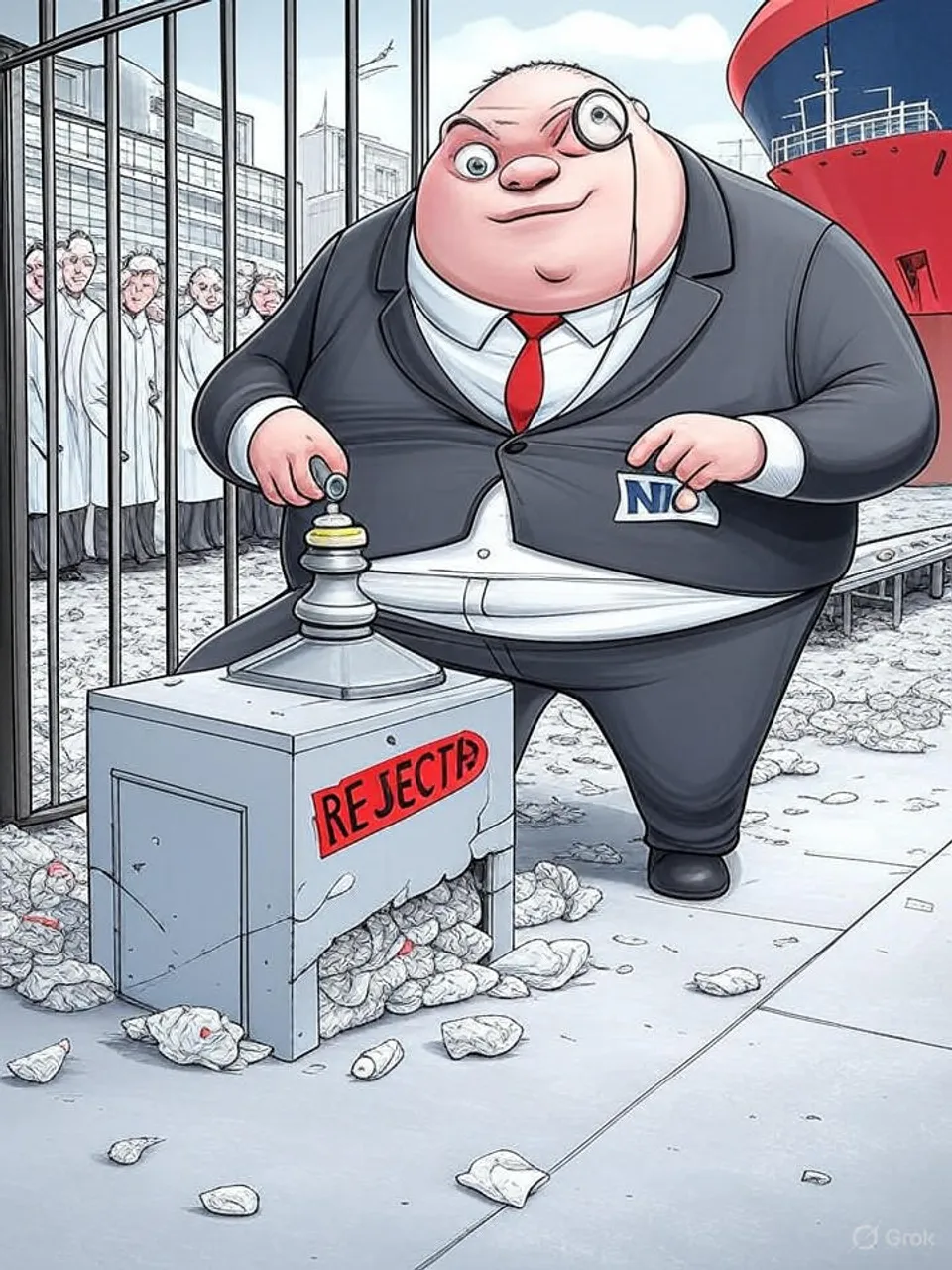
Caps hold places at 8,130 as 25,800 apply; training costs £160k each
UK governments cap medical training despite surging applications, rejecting qualified Brits while importing 20,000 doctors annually. Systemic bottlenecks and poor retention ensure perpetual shortages across parties.
Britain rejects 17,670 qualified medical applicants annually while importing 20,000 doctors from abroad. Government caps limit places to 8,130 despite 25,800 applications this year. The NHS faces chronic shortages, yet domestic talent rots untapped.
Training a single doctor costs taxpayers £160,000. Importing achieves the same result at lower upfront expense. Governments prioritize short-term fixes over long-term capacity.
Med school survivors face worse odds in specialty training. Only one in five GP applicants succeeds; neurosurgery odds stand at 26 to one. Half of foundation-year completers lack jobs, drifting into non-training roles.
Post-Brexit rules opened these posts to foreign doctors. Competition intensified, success rates plummeted below Oxford entry levels for some fields. UK graduates compete on equal terms with imports.
British doctors emigrate to Australia for better conditions. Perth hospitals field full A&E teams versus NHS skeleton crews. Locals there secure nine-to-five shifts paying equivalent to NHS nightmarish 12-hour marathons.
NHS allocation treats juniors like interchangeable parts. High performers once chose placements; now merit ignores personal factors like family. Doctors report denied wedding leave amid holiday booking chaos.
Locum spending balloons during shortages the system creates. The NHS employs 1.5 million, surpassing Walmart, yet mismanages rotas. Taxpayers fund expensive patches for self-inflicted gaps.
Persistent Government Caps
Successive governments enforce med school quotas. Labour and Conservatives alike hold places static amid rising demand. No party expands training despite doctorless wards.
Brexit prompted Tory openness to foreign trainees. This equalized competition but deepened domestic bottlenecks. Labour’s Streeting inherits the mess without pledging quota hikes.
Unions gain leverage from shortages, per a former health secretary. Strikes coincide with pay disputes, not training fixes. BMA focus stays narrow while juniors exit.
Exodus and Import Reliance
One in six Nigerian doctors practices in Britain; one in ten from Pakistan. Developing nations lose workforce as UK skips training costs. Ethical qualms yield to arithmetic.
British expats reapply to NHS despite flaws, driven by home ties. Public service ethos persists amid dysfunction. Yet retention fails without respect or predictability.
NHS pathology reveals deeper malaise. Caps preserve budgets over patients; imports mask training neglect. Juniors endure chaos, patients wait, taxpayers overpay.
Reform proposals like resident labour tests or training guarantees surface repeatedly. None stick across administrations. Strikes recur; shortages endure.
This cycle spans decades. Governments promise NHS fixes but enforce rigid quotas and poor retention. Britain builds doctor deserts at home while draining others abroad.
The uncomfortable truth: NHS shortages stem from deliberate policy, not accidents. All parties choose cheaper imports over investing in Britons. Institutional decay turns potential into waste, perpetuating reliance on foreign labour amid domestic decline.
Commentary based on Try this cure for the trainee doctor crisis by Fraser Nelson on thetimes.com.