204,000 Net Inflows Coexist With 45,659 Boat Arrivals
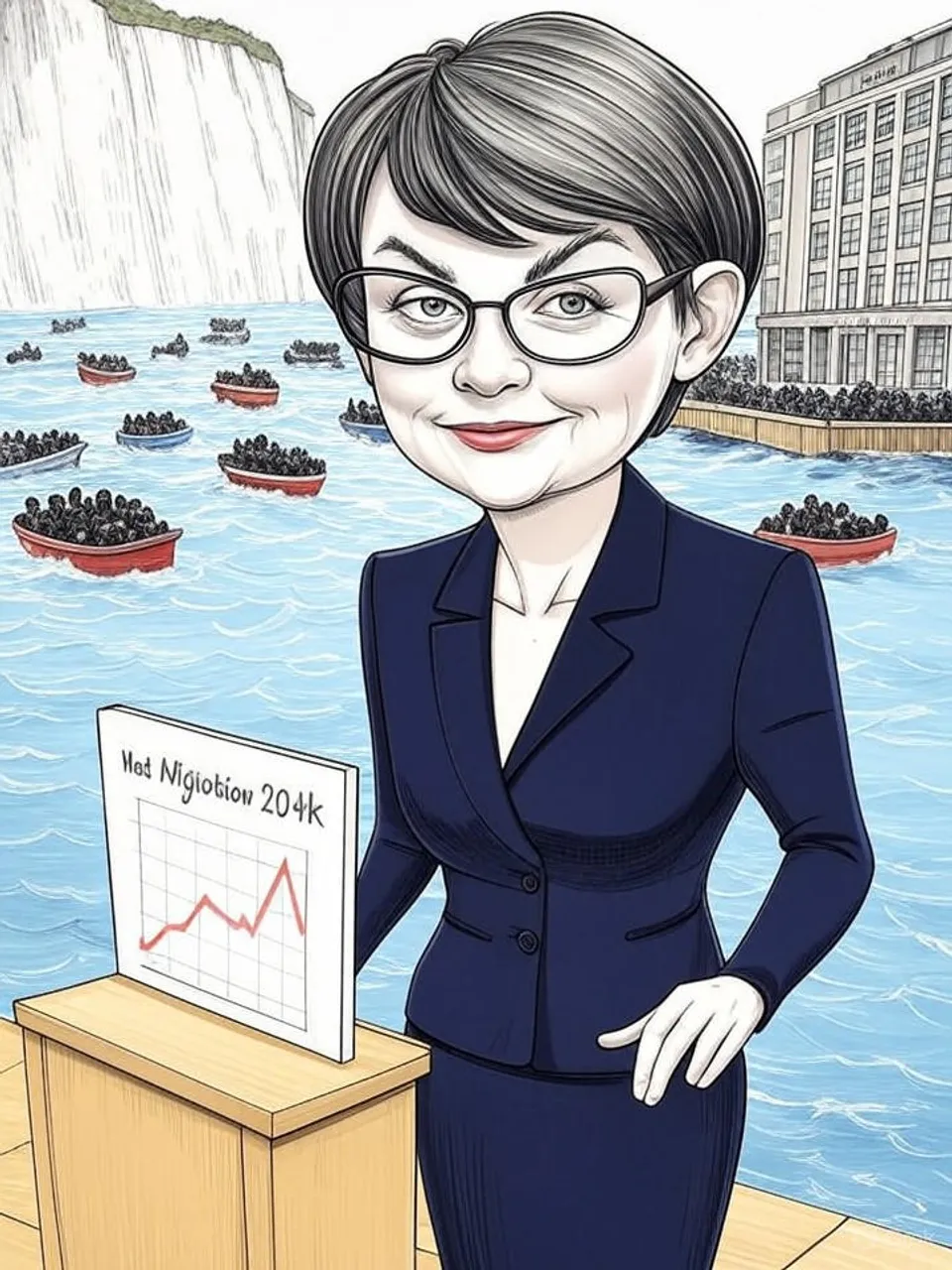
ONS data reveals visa cuts offset by Channel surge and record asylum
Net migration fell two-thirds to 204,000, driven by fewer work visas, but small boat crossings hit near-record highs and asylum claims soared to 110,051. This exposes persistent gaps in irregular migration control across governments.
Commentary Based On
BBC News
UK net migration falls sharply with drop in arrivals for work and study
Net migration halved to 204,000, yet Channel crossings neared their 2022 peak at 45,659.
Provisional ONS figures for the year ending June 2025 capture this drop from 649,000 the prior year. Work and study visas for non-EU+ nationals plunged 70%, curbing legal inflows. Officials credit policy shifts, but the data spans Labour’s first year after inheriting Conservative restrictions.
Irregular arrivals tell another story.
Small boat crossings rose 53% in the year to September 2025, with boats now averaging 61 people each. Asylum claims hit a record 110,051 in the same period, accounting for 41% of applications. Nearly all boat arrivals claim asylum, securing stays under international law while cases process.
Hotels house the fallout.
Over 36,000 asylum seekers occupied hotels in September 2025, up 2% from the prior year despite pledges to eliminate them by parliament’s end. Numbers dipped from the 56,018 peak in 2023, but recent quarters saw a 13% rise. Local councils fight placements in court, as communities absorb unchecked pressure.
Decision volumes accelerated.
Home Office data records 133,502 initial asylum decisions, with 45% grants. The initial backlog fell 36% year-over-year, even amid record claims. Appeals backlog grew steadily, prolonging stays for thousands.
Prime Minister Starmer called the net drop a “step in the right direction.” Home Secretary Shabana Mahmood vowed further curbs, citing lowest net migration in half a decade. Opposition figures attributed visa reductions to prior Tory measures, demanding more on boats and hotels.
These figures expose migration control’s fractured core.
Legal routes tightened under Conservatives, slashing net totals. Labour confronts surging irregular entries, with small boats comprising just 5% of total immigration yet dominating headlines and costs. The system processes volume but fails to deter or remove, as removals lag—only 153 returned to France under a pilot scheme.
Fiscal and social strains compound.
Net 204,000 arrivals add to housing shortages, NHS queues, and welfare demands, despite ONS accounting for asylum in totals. Record child crossings—5,151 under-18s—signal human trafficking risks, with 353 identified as potential victims. Communities near bases and hotels bear dispersal costs.
Patterns span governments.
Every administration since 2010 promised border sovereignty. Successive visa caps and Rwanda schemes yielded partial visa drops but boat surges. Labour’s military base shift echoes past dispersals, treating symptoms while root enforcement atrophies.
This duality defines institutional migration failure.
Net reductions via paperwork mask uncontrolled Channel traffic and asylum explosion. Citizens face diluted services and eroded security, as power prioritizes process over prevention. Britain’s borders bend but never break the inflow cycle.
Commentary based on UK net migration falls sharply with drop in arrivals for work and study at BBC News.