£26 Billion Tax Hike Shields "Creaky" Services from Reform
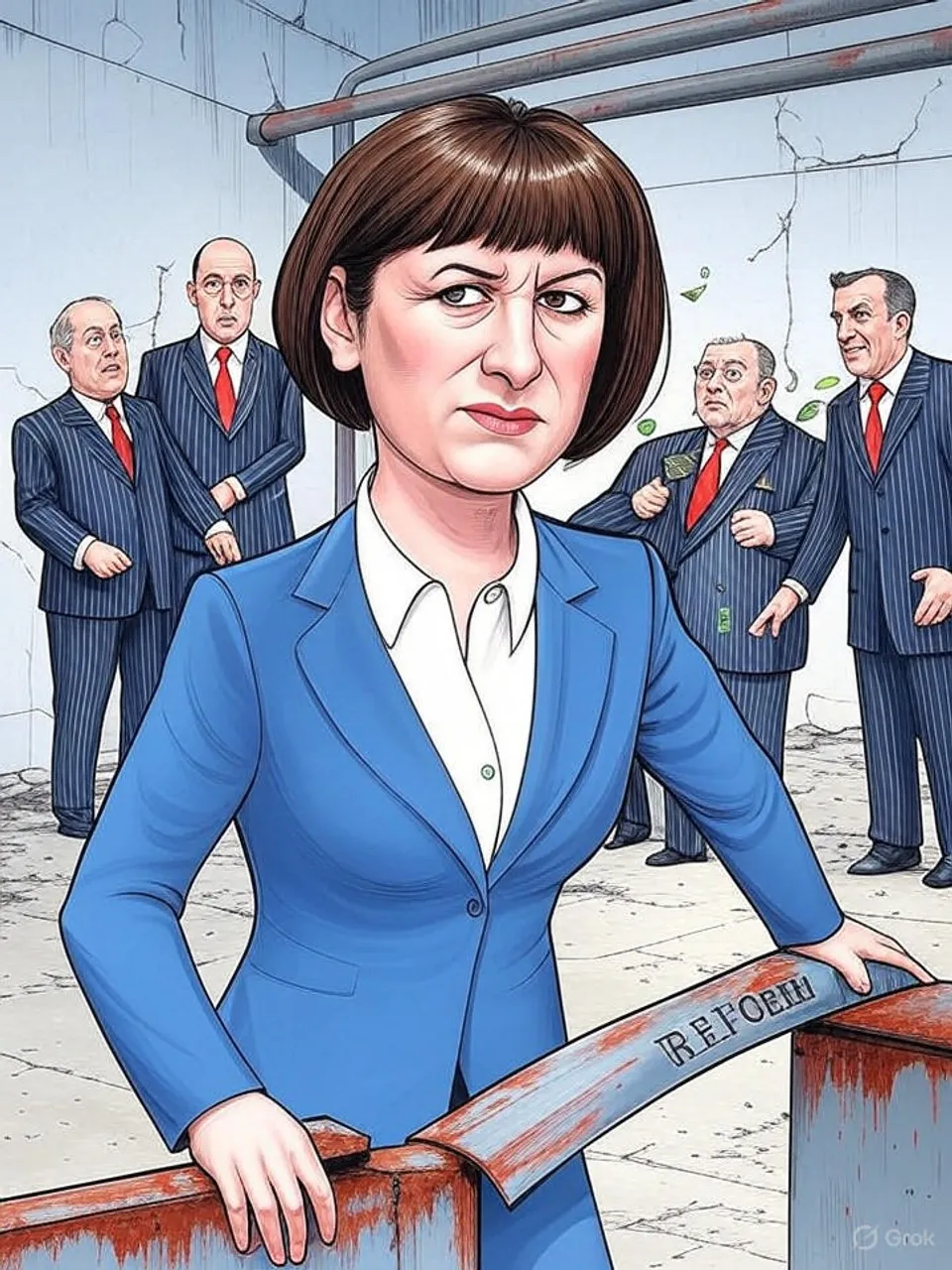
Reeves rejects cuts despite OBR downgrade, pins burden on wealth amid historic tax peaks
Rachel Reeves' £26bn tax rise targets the wealthy to fund decaying public services, ignoring fiscal drag on workers and decades of cross-party underperformance. OBR disputes reveal gaps between claims and fiscal reality.
Commentary Based On
The Guardian
Britain’s wealthy must shoulder burden of rebuilding ‘creaky’ public services, Rachel Reeves says
Rachel Reeves imposed a £26 billion tax increase in her budget. She directed the burden at Britain’s wealthy to rebuild schools, hospitals, and infrastructure. This choice followed an Office for Budget Responsibility downgrade in productivity forecasts.
Reeves rejected cuts to public spending. She described services as “creaky” and insisted investment drives growth. Yet the OBR disputed her claim of abandoning income tax rises due to optimistic data.
Forecasts arrived before her decision. Treasury examined income tax and national insurance options late into budget preparations. Reeves called the leaked OBR figures a “scary moment” for markets.
Taxes now reach historic peaks. Reeves insists the load falls on high incomes and assets, not age groups. Threshold freezes, however, extract £220 annually from basic-rate earners through fiscal drag.
Public services decay persists across governments. Capital spending protects rail and energy projects, but productivity stalls trace to decades of underinvestment and policy errors. No party reversed the slide.
Reeves blames a “dire inheritance” from predecessors. Labour voters expected change, she says, not austerity. Her budget backloads pain toward the next election cycle.
OBR independence draws her defense. She credits it for credibility, despite internal government criticism. This setup binds chancellors to external forecasts amid volatile global conditions.
Workers’ rights pledges falter too. Labour ditched day-one unfair dismissal protections from its manifesto. Reeves ties this to legislative gridlock, not business tensions post-national insurance hikes.
SEND system failures burden councils. Reeves promises reforms next year, not savings-driven cuts. Schools report breakdowns harming children and parents nationwide.
Wealthy donors and City links shape policy edges. Reeves once courted banks; now taxes rise. External funds pilot parliamentary migration debates, but fiscal choices stay Treasury-led.
The pattern endures. Chancellors across parties hike taxes amid growth woes, label services creaky, then shield spending. Accountability evaporates as leaders cite inheritance or forecasts.
Reeves downplays leadership speculation. She warns against rapid changes like the prior government’s churn. Stability demands accepting tax records and service gaps as fixed features.
This budget exposes institutional rigidity. Tax rises fund symptoms while root failures—productivity collapse, vetting lapses, infrastructure rot—compound across administrations. Britain’s decline accelerates through taxation without renewal.
Public trust erodes as rhetoric clashes with ledgers. Ordinary citizens face stealth levies and waiting lists. Governance prioritizes preservation over performance, locking in stagnation.
Reeves’ choices confirm the cycle: promise change, deliver hikes, defer fixes. Creaky services demand more from the wealthy, but systemic rot burdens all. Decline documents itself in every fiscal maneuver.
Commentary based on Britain’s wealthy must shoulder burden of rebuilding ‘creaky’ public services, Rachel Reeves says at The Guardian.