← All Topics

Public Services

37 articles

PPE Medpro

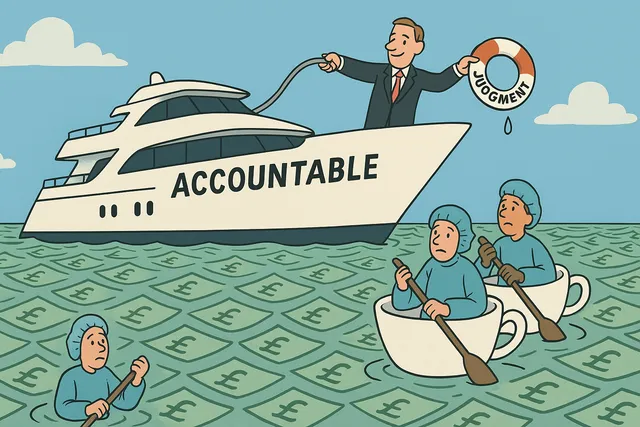
The PPE Medpro Judgment: When Winning in Court Means Losing £122 Million

David Conn's investigation into the PPE Medpro scandal reveals how Britain's institutions have been structured to ensure that certain individuals can profit from public money without facing consequences. The recent high court judgment ordering PPE Medpro to repay £122 million for defective medical gowns highlights a system where winning in court often means losing money for taxpayers.

· via The Guardian

British Transport Police

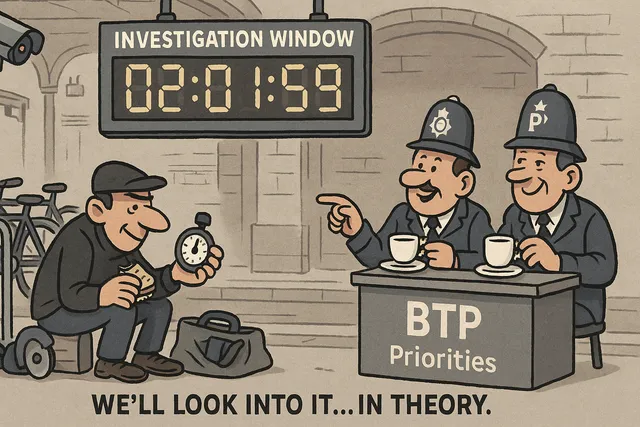
The Two-Hour Window: How British Transport Police Decriminalised Bike Theft

British Transport Police have effectively legalised bicycle theft at railway stations by refusing to investigate thefts of bikes left for more than two hours. This policy, which applies even to bikes stolen from secure parking facilities with CCTV coverage, reveals a deeper institutional failure. By prioritising "crimes which cause the most harm," BTP has created an environment where bike theft is rampant and commuters are left unprotected. This analysis explores how this policy reflects broader issues in UK governance and public service delivery.

· via BBC News

Thames Water

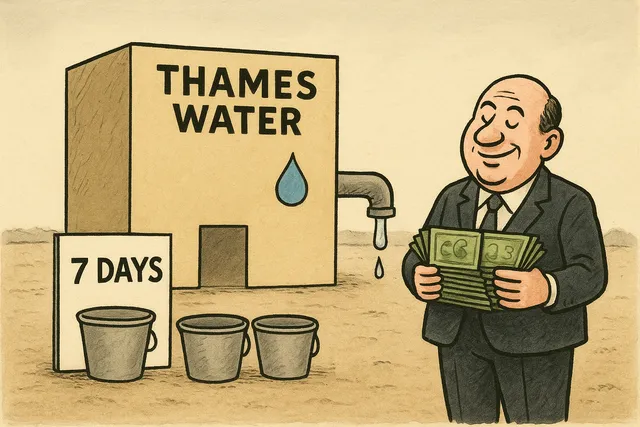
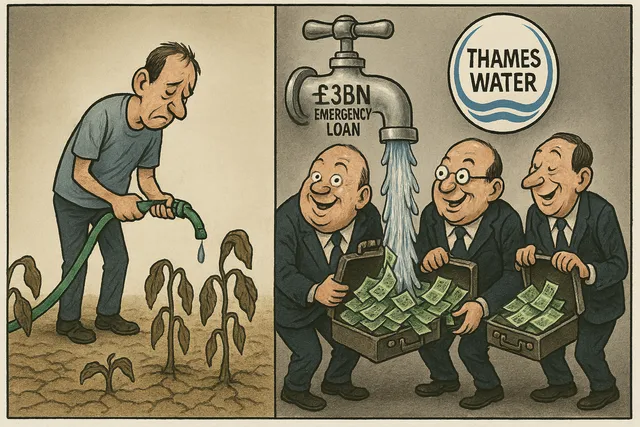
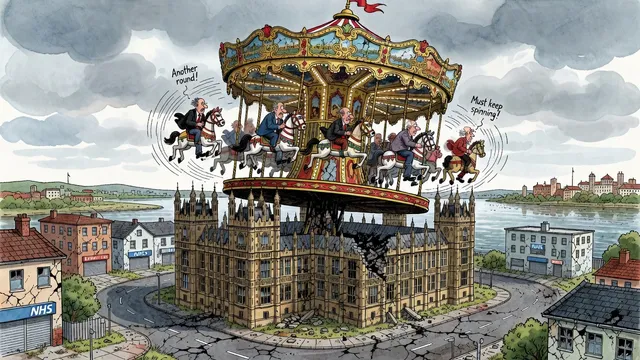
The £518 Million Mirage: How Thames Water Turned London's Water Security Into a Financial Extraction Scheme

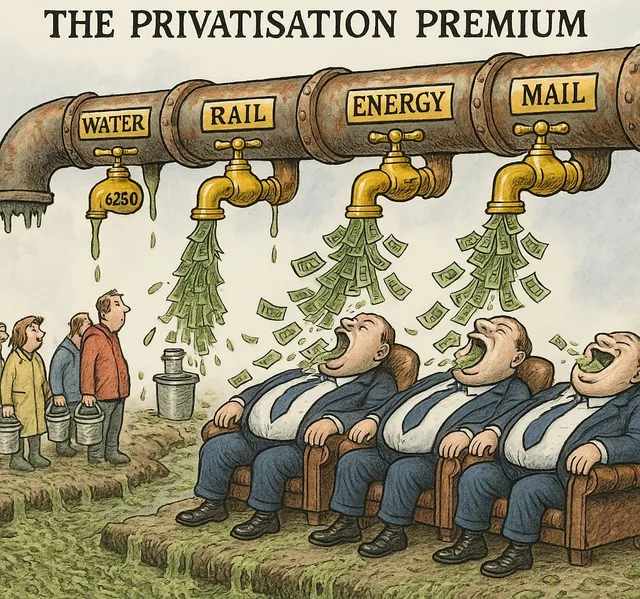
Thames Water's £518 million desalination plant, built to secure London's water supply, has produced a mere seven days' worth of water over 15 years. This exposé reveals how the plant, plagued by operational failures and exorbitant costs, serves more as a financial asset for debt accumulation than a functional piece of infrastructure. As the company seeks another £535 million for a new project, the story highlights the systemic issues in Britain's privatised water industry, where public service is secondary to wealth extraction.
· via The Guardian

Motability

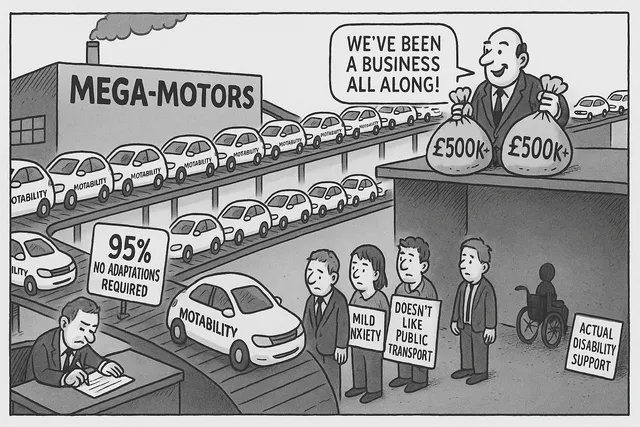
The £8 Billion Disability Car Scheme Nobody Wants to Question

The Adam Smith Institute's investigation into the Motability scheme uncovers a staggering £8.1 billion annual expenditure on brand-new cars for welfare claimants, far exceeding essential public services budgets. This exposé reveals how a program initially designed to assist wheelchair users has ballooned into an unaccountable monopoly, purchasing one in five new cars sold in Britain, while eligibility criteria have been drastically expanded to include conditions like anxiety and depression.
· via Adam Smith Institute

Croydon

The Great Croydon Book Dump: When Public Knowledge Becomes Pavement Litter

Council contractors in Croydon have been photographed dumping hundreds of library books onto the pavement outside the shuttered Broad Green Library, treating decades of accumulated knowledge like household rubbish. The mayor calls it "unacceptable" and promises action against the contractors. But the real story isn't about careless workers or damaged books. It's about what happens when a society stops valuing the infrastructure of literacy itself.

· via BBC News

Water Crisis

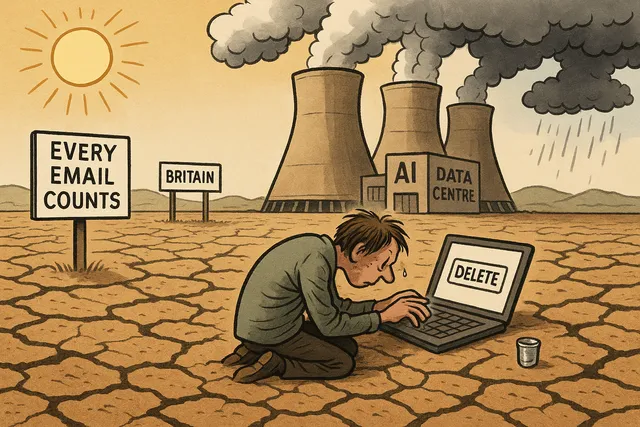
Delete Your Emails While We Build 6GW of AI Data Centers: Britain's Water Crisis Response Reaches Peak Absurdity

While the Environment Agency asks Britons to delete old emails to save water, the government plans a threefold increase in AI data center capacity, consuming billions of litres annually. This contradiction highlights the systemic failures of British governance, where performative individual actions replace real infrastructure solutions.

· via The Independent

Politics

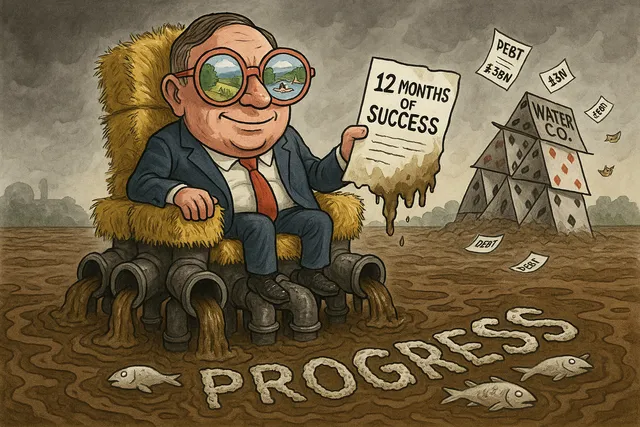
Environment Secretary celebrates "significant progress" while sewage flows and Thames Water collapses

Steve Reed's appearance at Hertfordshire's Groundswell festival reveals the extraordinary disconnect between Labour's self-congratulation and Britain's accelerating institutional decay. While the Environment Secretary proclaimed "significant progress" from his hay bale podium, the nation's waterways continue to poison swimmers and Thames Water edges toward a collapse that will cost taxpayers billions.

· via The Guardian