BBC Managers Dismiss Warnings of Harm to Children
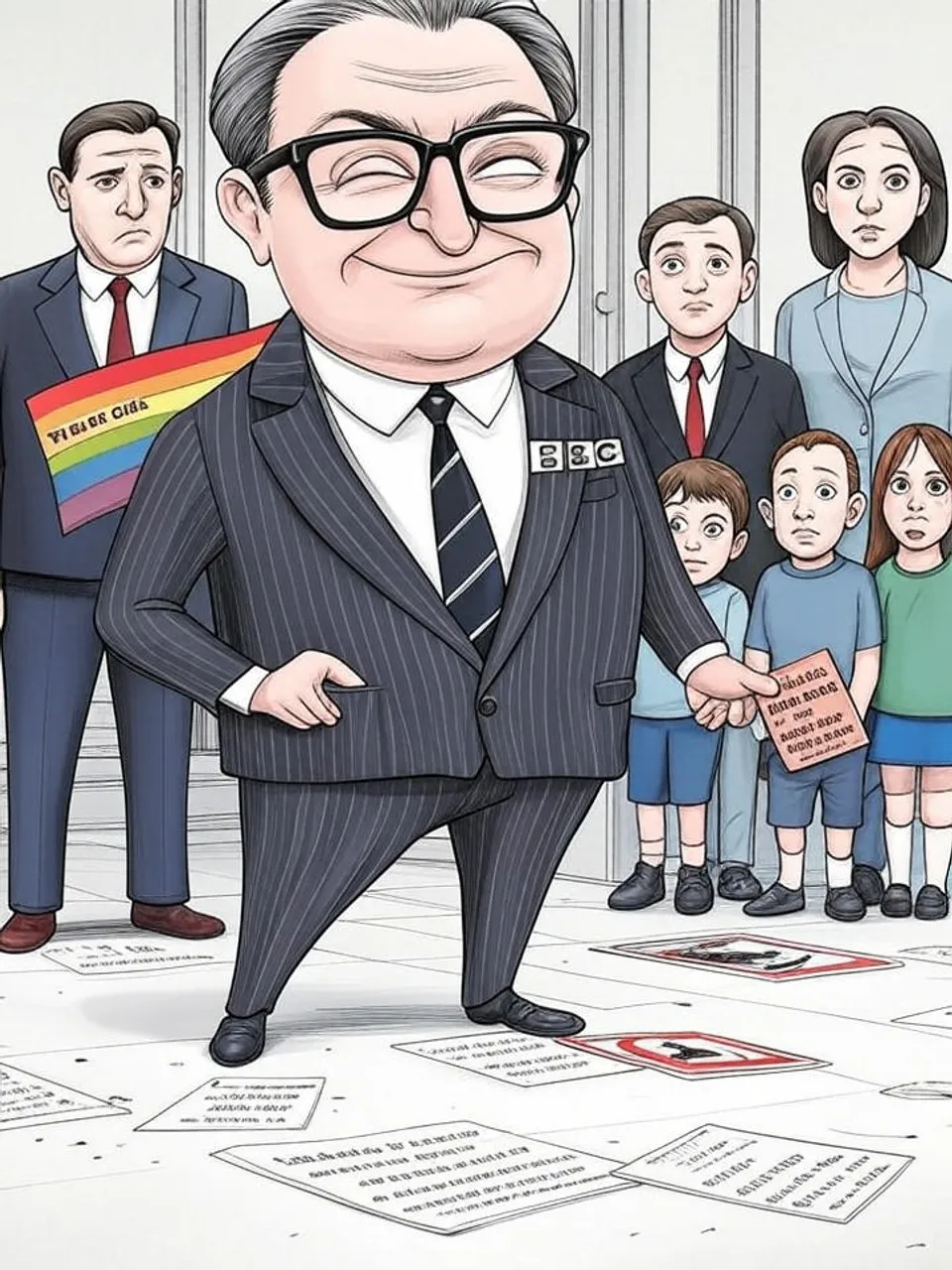
650 parents demand Ofcom probe into decade of unbalanced trans programming
Parents accuse the BBC of promoting transgender identities to children without balance, breaching impartiality and safeguards. Regulatory inaction allows biases to persist, harming families and public trust in a key institution.
Hundreds of parents from the Bayswater Support Group accuse the BBC of a decade-long pattern of one-sided programming that promotes transgender identities to vulnerable children, potentially encouraging irreversible medical interventions. The group, representing 650 families with primary school-aged children and teenagers, claims this coverage ignores mental health risks and desistance rates, where many gender-questioning youth reconcile with their biology by puberty. Ofcom now faces calls to investigate breaches of impartiality and child protection rules, yet the regulator has only acknowledged receipt without action.
The complaints detail specific BBC outputs, including a Hey Duggee cartoon episode using non-binary pronouns for a raccoon character aimed at five-year-olds, and a Doctors storyline portraying parental resistance to a child’s gender claims as bigotry. In Casualty, a pre-watershed episode showed a transgender medic celebrating an upcoming double mastectomy as aligning inner feelings with appearance. Parents argue these narratives present activism as fact, omitting evidence that up to 80% of children with gender dysphoria outgrow it without transition, according to studies cited in recent court rulings.
BBC responses reveal institutional resistance. Senior figures, including incoming news head Jonathan Munro and former director-general Tim Davie, dismissed complaints in 2020 and 2021 about biased reporting on puberty blockers and suicide links in trans sports policy. The corporation provided no reply to queries about adding support resources for families or covering detransition regrets in a 2021 documentary. This echoes a broader whistleblower memo exposing biases in BBC editing on topics from Trump speeches to Gaza, underscoring failures in internal oversight.
Regulatory Inaction Perpetuates the Issue
Ofcom’s Broadcasting Code mandates due impartiality, accuracy, and protection for under-18s, yet the regulator has not enforced these on BBC trans coverage despite prior parental alerts. The Bayswater group’s solicitor, Paul Conrathe—influential in the NHS puberty blocker ban—asserts multiple programs materially mislead audiences by celebrating transitions without balance. Historical precedent shows Ofcom fining broadcasters for lesser impartiality lapses, but here, years of complaints yield only consideration, allowing unchecked content to influence schools and policy.
This pattern fits a decade of BBC evolution under public funding. Established as a neutral voice post-1920s, the corporation now faces accusations of activist infiltration, as claimed by a Tavistock whistleblower. Cross-party governments have maintained its £3.8 billion annual licence fee without tying it to rigorous impartiality audits, enabling biases to fester. The result: families report estranged children, self-diagnosis, and hostility for protective stances, amplifying social divisions.
Broader implications extend to public trust in institutions. Polls show BBC credibility at 62% in 2023, down from 80% in 2010, correlating with perceived biases on cultural issues. Regulatory bodies like Ofcom, funded by industry levies, prioritize complaints volume over systemic harm, mirroring failures in NHS gender clinics exposed by the Cass Review in 2024. Children, the most vulnerable, bear the costs through distorted self-perception and family rifts.
The BBC claims recent updates to its style guide and clarifications address concerns, including post-Supreme Court adjustments on gender rulings. Yet these come after years of inaction, with no admissions of past errors or personnel accountability. Managers advance despite dismissals, revealing a structure where complaints serve as formalities, not catalysts for change.
This episode exposes the BBC’s role in cultural fragmentation, where a state-backed broadcaster shapes youth identities amid regulatory complacency. Across governments, from Blair’s media expansions to Starmer’s current oversight, the institution drifts from safeguarding to advocacy, eroding the neutral forum essential for democratic cohesion. Ordinary families pay the price in irreversible harms, while elites evade scrutiny, documenting yet another layer of Britain’s institutional decay.
Commentary based on ‘BBC’s pro-trans bias damaged our children’ by Patrick Sawer on The Telegraph.