Birmingham's Blades Cut Through Official Reassurances
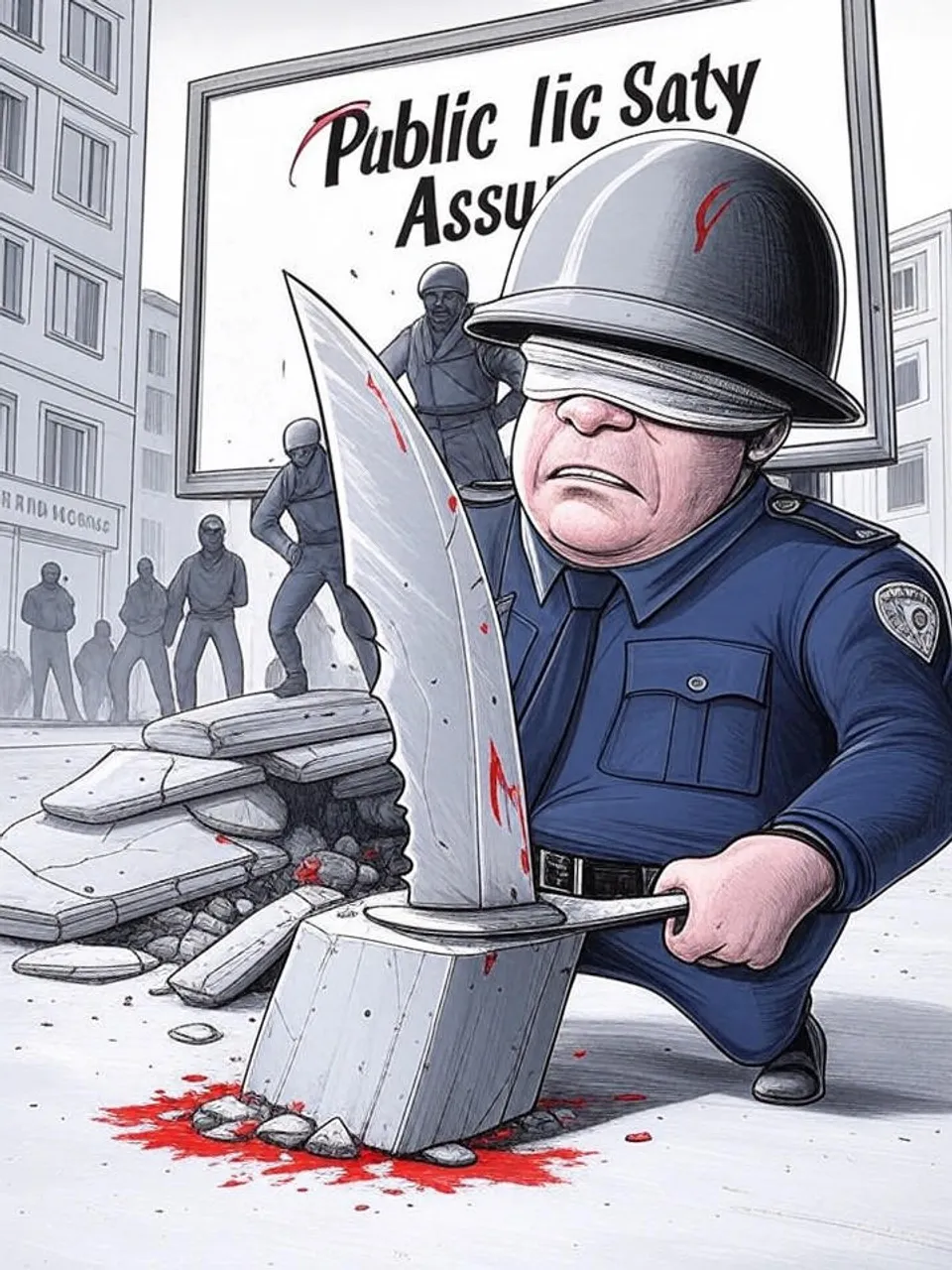
A fatal neck stabbing near the Bullring exposes persistent gaps in urban safety
A woman's death in an unprovoked Birmingham stabbing highlights the chasm between official knife crime reductions and rising street lethality, revealing systemic neglect across governments.
Commentary Based On
GB News
Woman dies after getting stabbed in neck in 'unprovoked attack' as police name suspect
A 34-year-old woman lies dead after a neck stabbing on Smallbrook Queensway, mere steps from the Bullring Shopping Centre, turning a busy Friday evening into a fatal ambush.
West Midlands Police label it unprovoked, with 21-year-old Djeison Rafael charged for the attack, plus two assaults and blade possession. He faces court today as charges upgrade to murder.
This death adds to Birmingham’s tally of street violence, where knives end lives despite national claims of progress. Official figures show a 5% drop in knife crime last year, yet 262 homicides nationwide tell a grimmer story.
The incident unfolds in plain view of shoppers and passersby, exposing how urban centres erode into danger zones. Police now deploy extra patrols for reassurance, a reactive measure that admits the baseline fails civilians.
Root causes linger unaddressed: deprivation in city wards, youth disengagement, and weak blade controls that span Labour and Conservative tenures. Enforcement seizes weapons, but social fractures drive the surge in random stabbings.
Rafael, a black British national in grey tracksuit and rucksack, evaded notice until the strike. Witnesses remain key, yet low reporting rates in such areas compound the isolation of victims’ communities.
MP Shabana Mahmood expresses shock from her Ladywood seat, praising swift arrest while urging tips. Her response echoes standard protocol, but it sidesteps the policy voids that let these attacks recur.
Birmingham’s violence mirrors national patterns, from Southport echoes to unchecked youth clashes. Institutions track metrics—falling offences, rising seizures—but ignore how fear reshapes daily life for the working class.
Policing strains under cuts and errors, with officer numbers stagnant since 2010 despite population growth. West Midlands force, like others, juggles reassurance with understaffing, leaving patrols as bandages on open wounds.
This stabbing reveals the UK’s social fabric fraying at the edges. Governments promise safety through laws and stats, yet streets deliver death, underscoring a decline where ordinary outings carry lethal risk.
The uncomfortable truth persists: without tackling poverty and exclusion head-on, blade attacks will claim more lives, indifferent to which party holds power. Britain’s cities descend into guarded enclaves, their vitality bled out one unprovoked thrust at a time.
Commentary based on Woman dies after getting stabbed in neck in 'unprovoked attack' as police name suspect at GB News.