Borrowing Overruns Signal Pre-Budget Paralysis
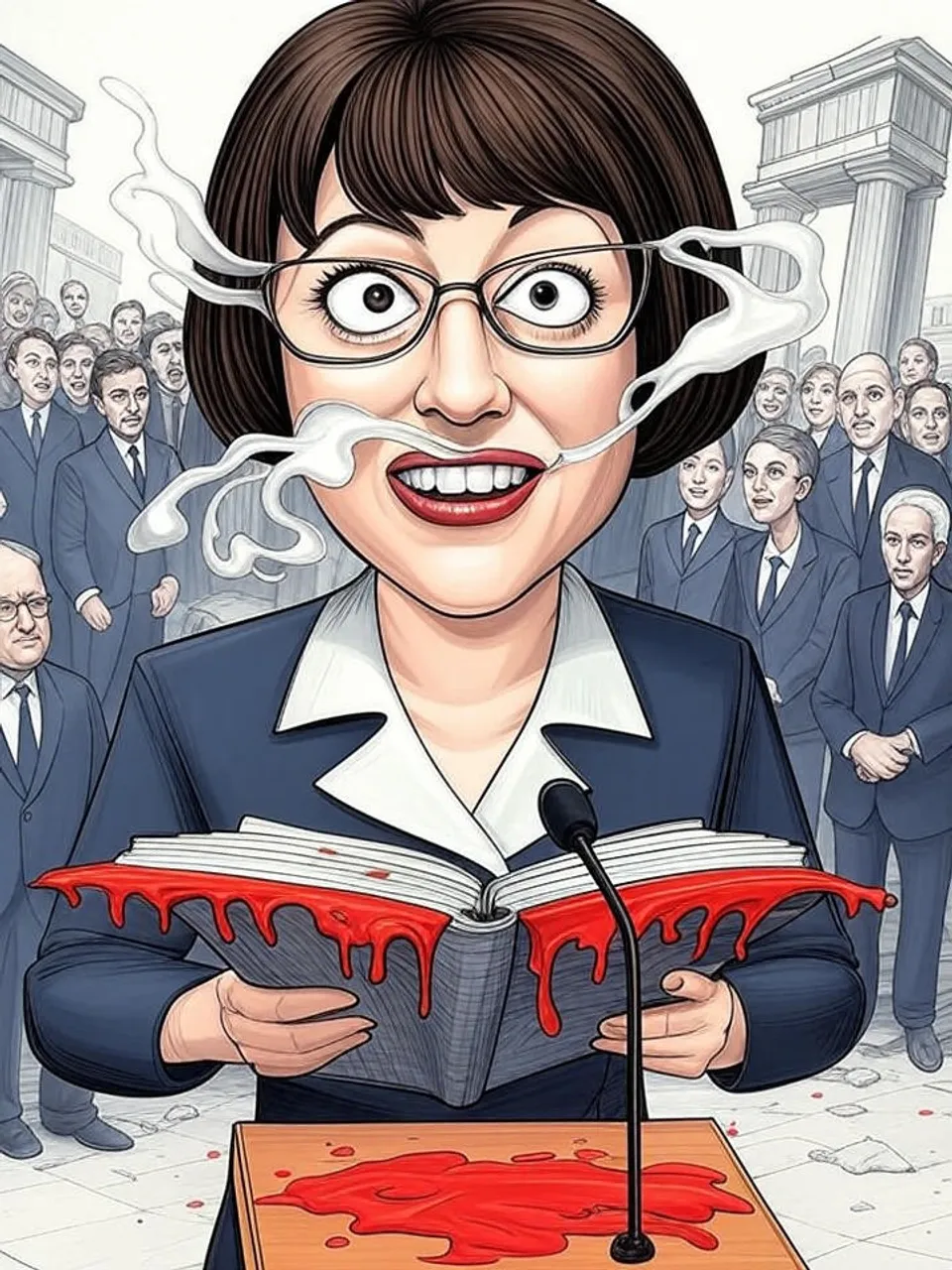
£116.8 Billion Deficit Dwarfs Forecasts as Tax Signals Sow Doubt
Rachel Reeves's chaotic Budget buildup has driven retail sales down 1.1% and business confidence into contraction, exposing fiscal rules that prioritize uncertain projections over economic stability. This pattern of volatility across governments deepens UK's debt trap.
Government borrowing hit £116.8 billion in the fiscal year to date, £10 billion above official forecasts, as retail sales dropped 1.1 percent last month. Chancellor Rachel Reeves positioned her October Budget as a “once in a generation” fix, yet signals now point to another £25-35 billion in tax hikes. This gap between fiscal rhetoric and mounting deficits exposes how policy announcements now paralyze rather than stabilize the economy.
Public sector debt climbed £17.4 billion in October alone, outpacing predictions amid rising spending pressures and debt interest costs. The Office for Budget Responsibility (OBR) projected £87 billion in borrowing for 2024-25 at the year’s start; reality delivered £148 billion, a 70 percent overrun. Such forecast failures underscore the unreliability of the fiscal rules that dictate current decisions.
Treasury communications have flooded media with conflicting tax proposals, from basic rate hikes to threshold freezes, only for many to vanish days later. Businesses and households respond by curbing investment and spending, with the composite PMI index slipping to 50.5, signaling contraction. This pre-Budget uncertainty, described by observers as the most chaotic in three decades, directly erodes economic activity.
A YouGov poll captures the fallout: zero percent of Britons rate the economy as “very good,” with 79 percent viewing it as bad or very bad. Consumer confidence, already fragile, faces further hits as tax threshold freezes loom, potentially adding £405 annually to basic rate payers and £1,129 to higher earners. Reeves herself warned last year that such moves would harm working people, yet Labour now eyes extending the policy despite manifesto pledges.
Fiscal headroom remains razor-thin. Reeves’s Spring Statement allocated just £9.9 billion in contingency on £1,351 billion of projected spending—less than 1 percent and a fraction of the £20-40 billion buffers pre-Covid chancellors maintained. Post-lockdown, risks have mounted without corresponding safeguards, leaving the economy vulnerable to shocks.
These rules hinge on OBR projections five years out, often revised by tens of billions mid-year. Debates rage over 2029-30 estimates that shift policy today, treating uncertain forecasts as binding science. In practice, this framework prioritizes Whitehall maneuvers over real-time outcomes like borrowing costs or debt servicing, which now consume resources without restraint.
The pattern traces back across governments. Conservative chancellors from 2010 averaged £31.3 billion in headroom, yet deficits ballooned under austerity rhetoric. Labour’s return amplifies the dysfunction: October’s £40 billion tax rise, billed as transformative, failed to curb borrowing, setting up repeated interventions. No party has rebuilt fiscal resilience; instead, each layers on rules that mask deepening imbalances.
Businesses delay hiring and expansion amid the fog, while global bond markets swing on leaked details. Retail faces a pre-Christmas slump, with Black Friday unlikely to offset the damage from timed announcements. Ordinary citizens bear the load through squeezed incomes and stagnant growth, as policy volatility supplants steady governance.
This Budget prelude reveals institutional capture by short-term optics over long-term stability. Chancellors across parties wield forecasts as shields for inaction, allowing debt to spiral while promising fixes that never materialize. The result: an economy starved of the confidence needed for recovery.
Britain’s fiscal apparatus now generates decline through its own mechanisms. Tax hikes multiply without addressing root inefficiencies, borrowing surges unchecked, and public trust evaporates as outcomes diverge from assurances. Citizens confront a system that extracts more while delivering less, perpetuating a cycle of stagnation that no election interrupts.
Commentary based on Reeves’s endless tax scaremongering is killing off animal spirits by Liam Halligan on The Telegraph.