Britain's Jobs Market Weakens to 2011 Lows
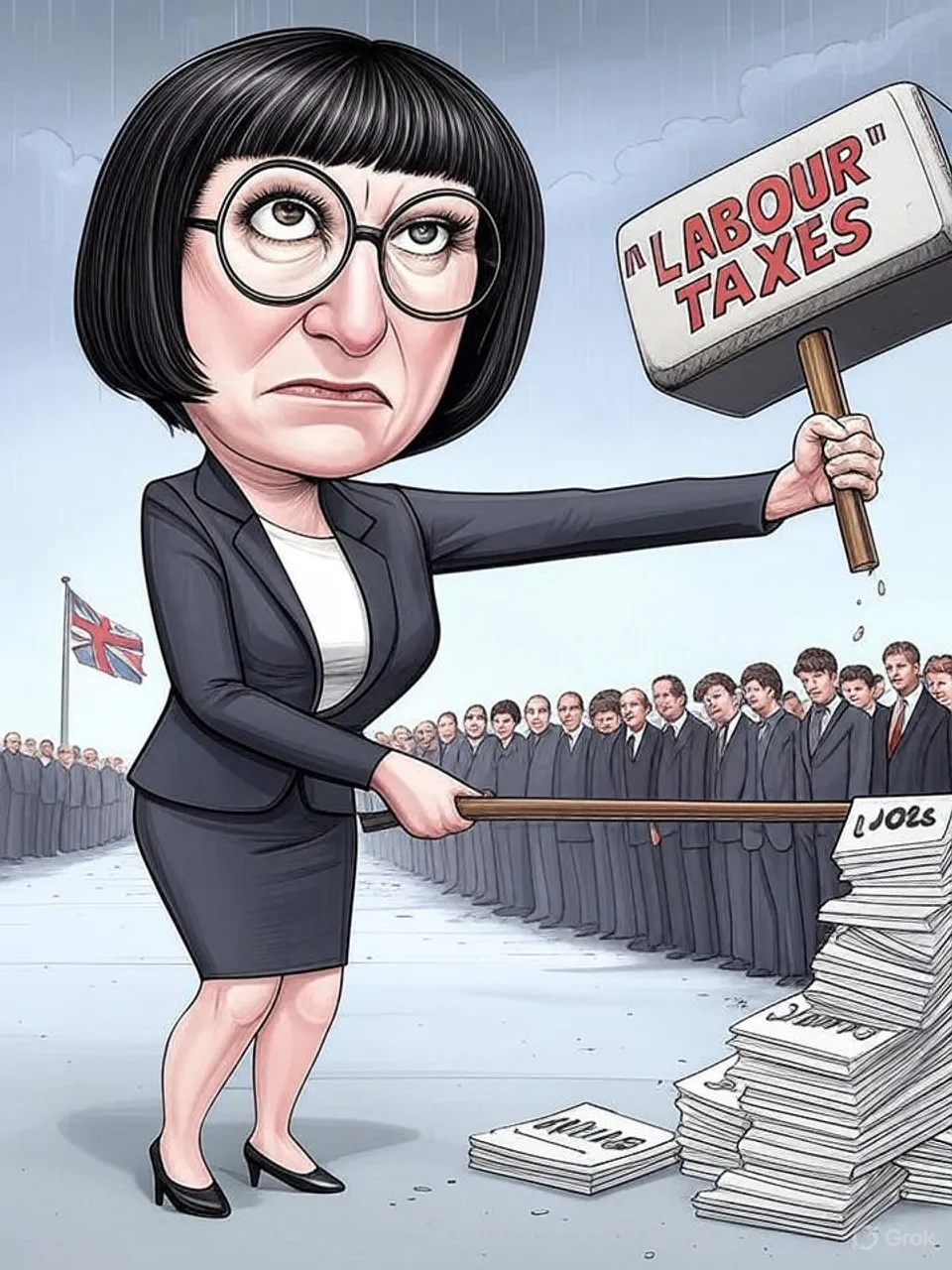
Permanent vacancies drop across all sectors after Labour's NIC hike
Independent indices show Britain's jobs market at a 14-year low despite Labour's job creation claims. Employer taxes link directly to hiring freezes and permanent role losses, hitting low-income workers hardest.
Labour Chancellor Rachel Reeves insists her government added 329,000 jobs this year. Independent data from BDO’s Employment Index contradicts this, recording the sharpest contraction in hiring demand and business sentiment in 14 years. Permanent vacancies fell across every tracked sector.
KPMG and the Recruitment and Employment Confederation confirm the trend. Full-time job availability dropped to a 16-month low. Construction and retail posted the biggest declines, as employers cited higher National Insurance contributions, minimum wages, and business rates from Reeves’ October Budget.
Reeves dismissed links to her policies during parliamentary questioning. Conservative MP Esther McVey pressed her on job losses hitting low-income workers. The Chancellor pivoted to youth employment gains from her “youth guarantee,” ignoring broader slowdowns.
Employers warned of these outcomes before the Budget. Firms now freeze long-term hires, turning to temporary staff at the fastest rate since the pandemic. Demand for temps surged, while permanent roles evaporated.
BDO’s Scott Knight noted pre-Christmas hiring usually booms. This year, output and employment collapsed. KPMG’s Lisa Fernihough blamed Budget uncertainty for keeping recruitment on ice.
Salaries rose at the fastest pace in five months for remaining skilled roles. Many wages, however, lag inflation and living costs. Businesses weigh January cuts amid ebbing confidence.
Policy Costs Materialize
Raising employer costs reduces hiring—a basic economic fact. Labour’s NIC hike added direct burdens on payrolls. The result: widespread contraction no longer hypothetical.
Previous governments raised taxes too, often sparking similar slowdowns. Conservatives cut NICs in 2022 to boost hiring, yet Labour reversed course within months. Outcomes follow incentives, regardless of party.
Low-wage sectors suffer most. Retail and construction shed vacancies first. Unskilled and semi-skilled workers face the brunt, widening inequality.
Denial Sustains Damage
Reeves refuses to connect her Budget to the slump. This complacency alarms employers more than the taxes themselves. Acknowledgment could prompt adjustments; denial entrenches failure.
Gig economy raids and visa crackdowns offer no relief here. Domestic job creation stalls under policy weight. Uncertainty now dominates boardrooms.
Britain’s productivity crisis deepens. Hiring freezes signal investment pauses, output drops, and growth stalls. Ordinary workers pay through lost opportunities and hours.
The pattern endures across administrations. Tax hikes on employers correlate with job weakness every time. Labour’s slump fits historical precedent, accelerated by fiscal denial.
This episode lays bare economic governance in Britain. Ministers recite growth scripts while indices flash contraction. Citizens face a jobs market adrift, with no course correction in sight.
Commentary based on A Labour Made Slump by Claire Bullivant on Conservative Post.