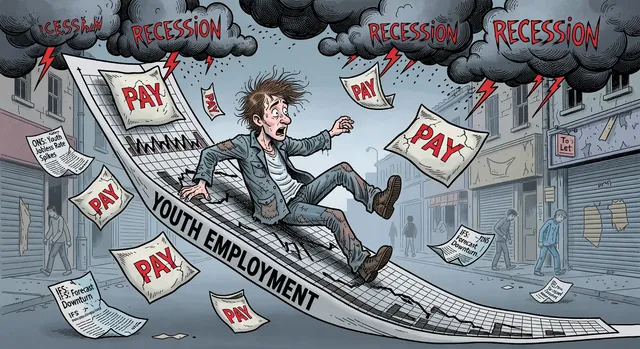
unemployment
Payrolls Contract as Youth Employment Keeps Sliding
UK labour data show payrolls down 100,000 and youth joblessness at 14.7%, exposing persistent weakness beyond the Iran conflict shock.
Facts first. Parties second.
11 articles
unemployment
UK labour data show payrolls down 100,000 and youth joblessness at 14.7%, exposing persistent weakness beyond the Iran conflict shock.
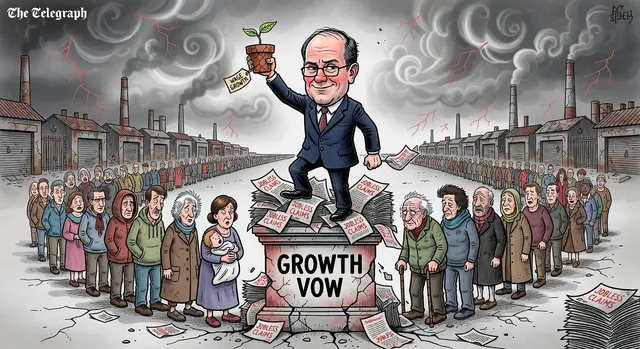
unemployment
UK unemployment reached 5.2% in December, up from 4.1% at Labour's 2024 entry, as new worker rights and NI rises prompt hiring cuts. Youth joblessness hit 14%, signaling policy-driven market tightening.

unemployment
UK payrolls dropped 149,000 year-on-year amid 5.1% unemployment, hitting youth hardest. Faulty ONS data and policy costs stall recovery across governments, deepening labour market contraction. (142 chars)
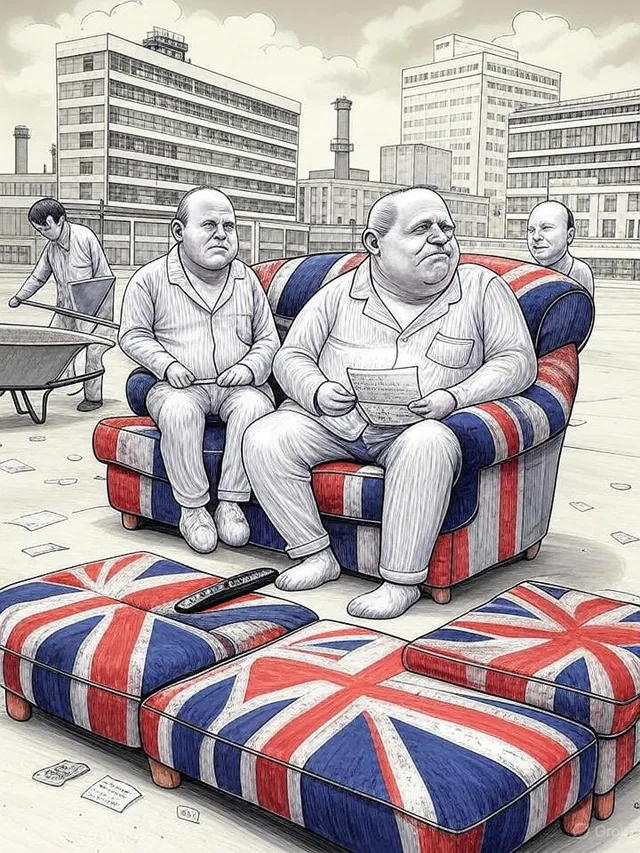
disability benefits
10.4 million working-age adults claim disability, driving labour inactivity and a 6% GDP benefits spend. Mental health claims dominate amid institutional failure to reverse trends across governments. (142 chars)
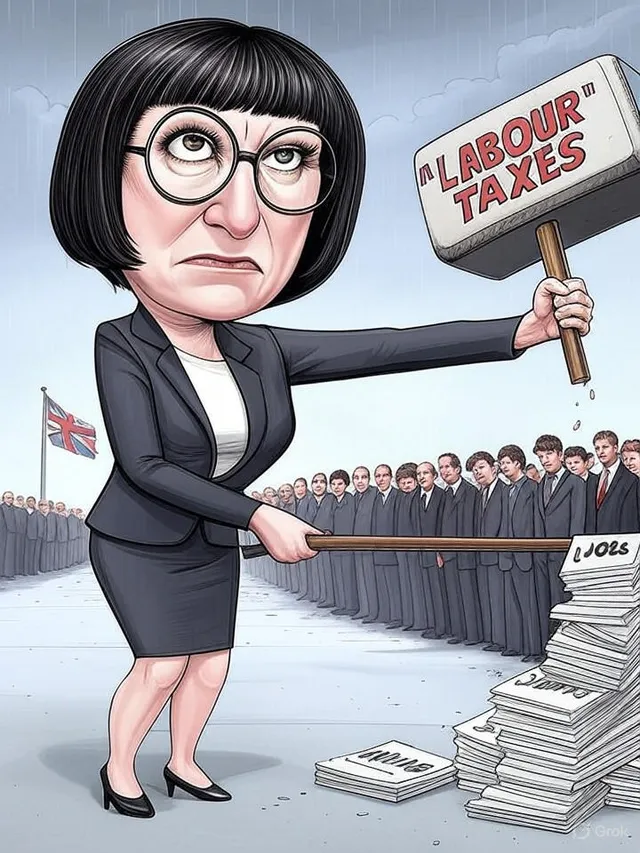
Economy
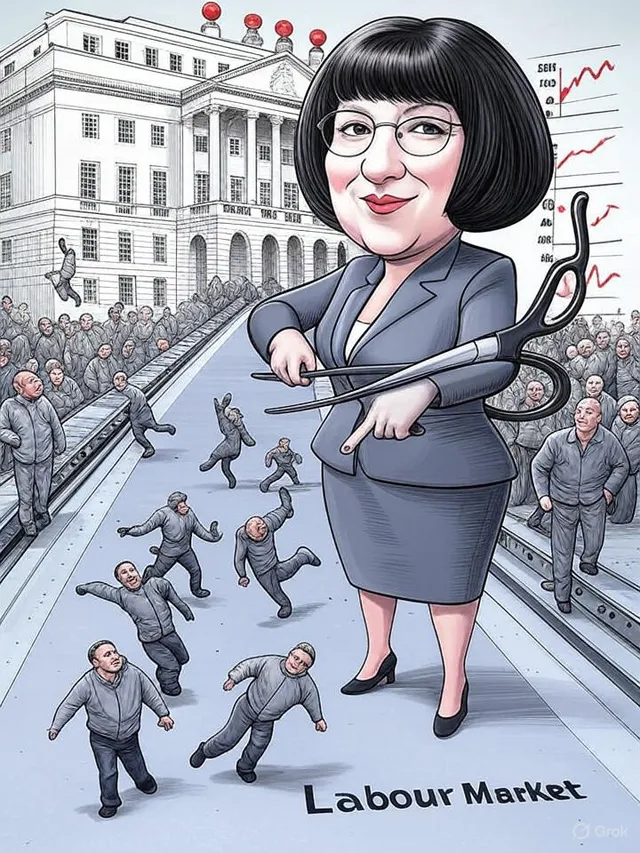
Independent indices show Britain's jobs market at a 14-year low despite Labour's job creation claims. Employer taxes link directly to hiring freezes and permanent role losses, hitting low-income workers hardest.
unemployment
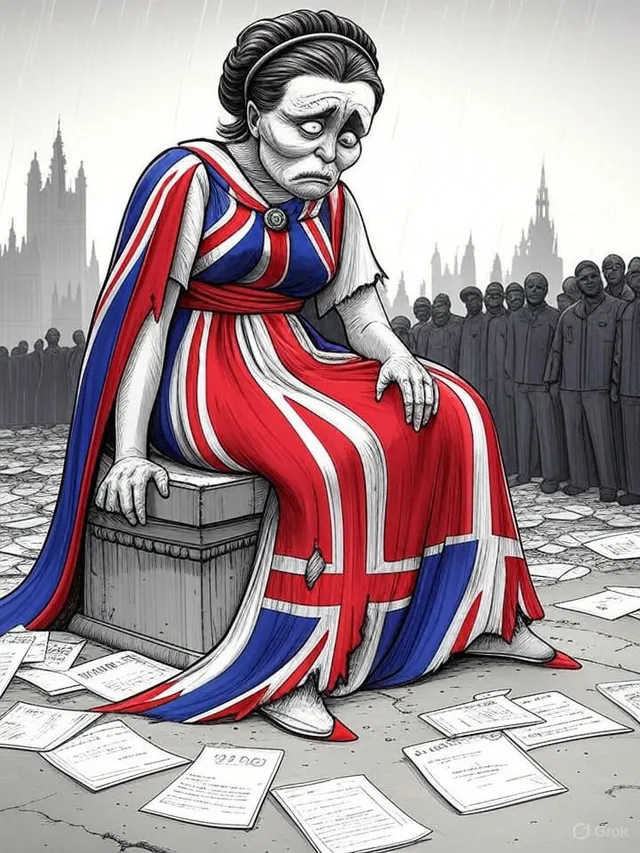
Bank of England data records the sharpest private-sector job drop since mid-2021, with unemployment at 5%. Policy chaos across governments erodes business confidence and labour market stability.
public pessimism
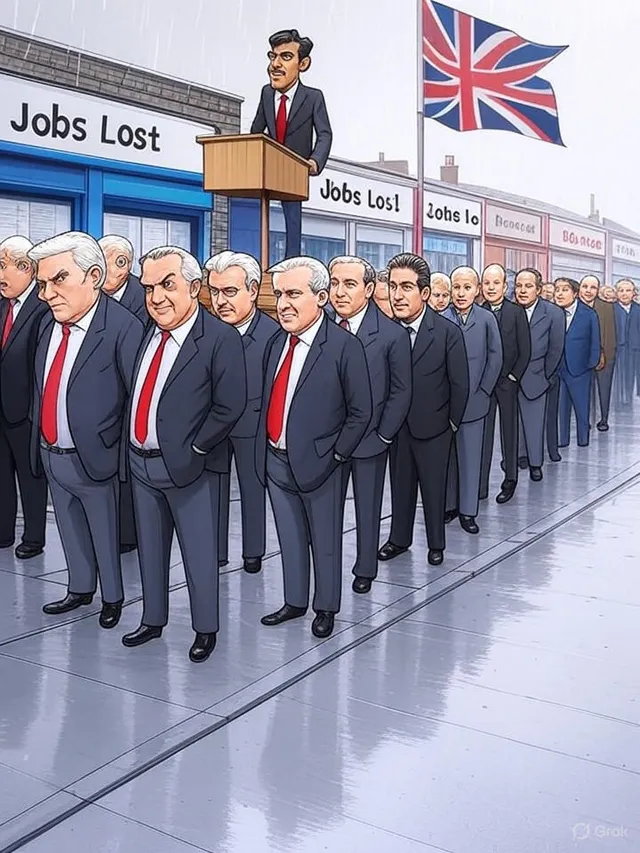
A new survey shows 76% of UK voters pessimistic about the future, the highest this year, amid joblessness peaks and tax hike anxieties. This reflects systemic economic failures across governments, eroding living standards without effective remedies.
unemployment
Rising to 5%, UK unemployment exposes a weakening jobs market despite government claims of progress. Payrolls fell 180,000 yearly, signaling structural fragility across political cycles.
Economy
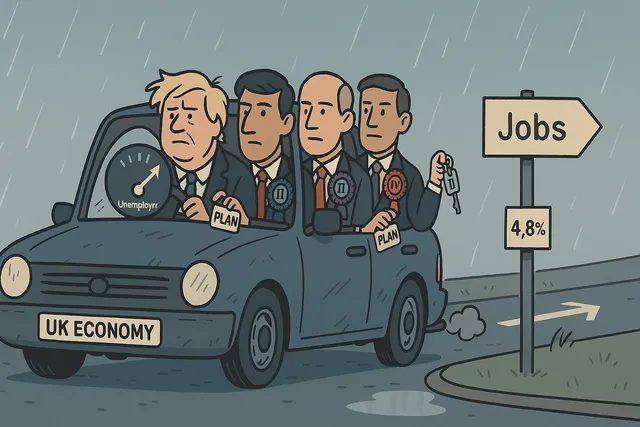
Unemployment in the UK has risen to 4.8%, the highest level since 2021, marking four consecutive years of increasing joblessness under four different governments. Despite promises of economic growth and renewal, average earnings are failing to keep pace with inflation, leading to a decline in real wages and living standards. This trend highlights systemic issues within Britain's economic framework that transcend political leadership.
Public Benefits
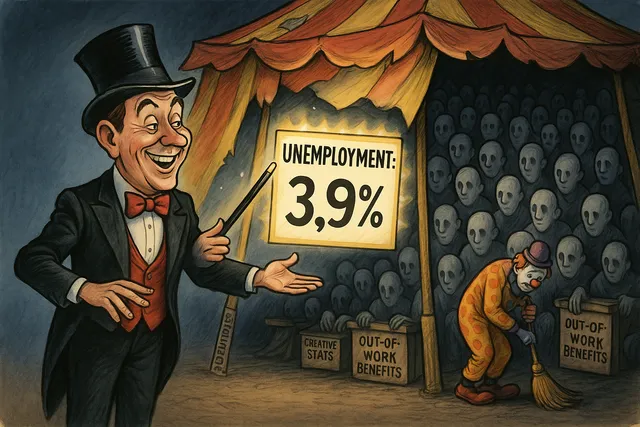
Based on Fraser Nelson's investigative piece, this article covers the staggering reality of 6.5 million working-age Britons on out-of-work benefits, a figure obscured by official statistics and institutional obfuscation. It explores the systemic failures that allow such a vast portion of the population to remain economically inactive while the government touts low unemployment rates, revealing the deep contradictions and social consequences of Britain's welfare state.
Jobs
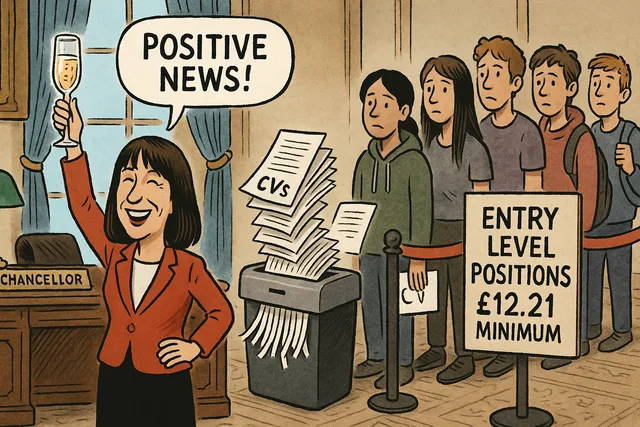
While Chancellor Rachel Reeves claimed there was "really positive news" in Tuesday's jobs data, British employers eliminated another 8,000 positions last month and job vacancies collapsed to their lowest level since the pandemic lockdowns. This is what passes for economic success in modern Britain: unemployment stuck at a four-year high becomes an achievement worth celebrating.