Ceilings Fall, UN Warns of Social Housing Rot
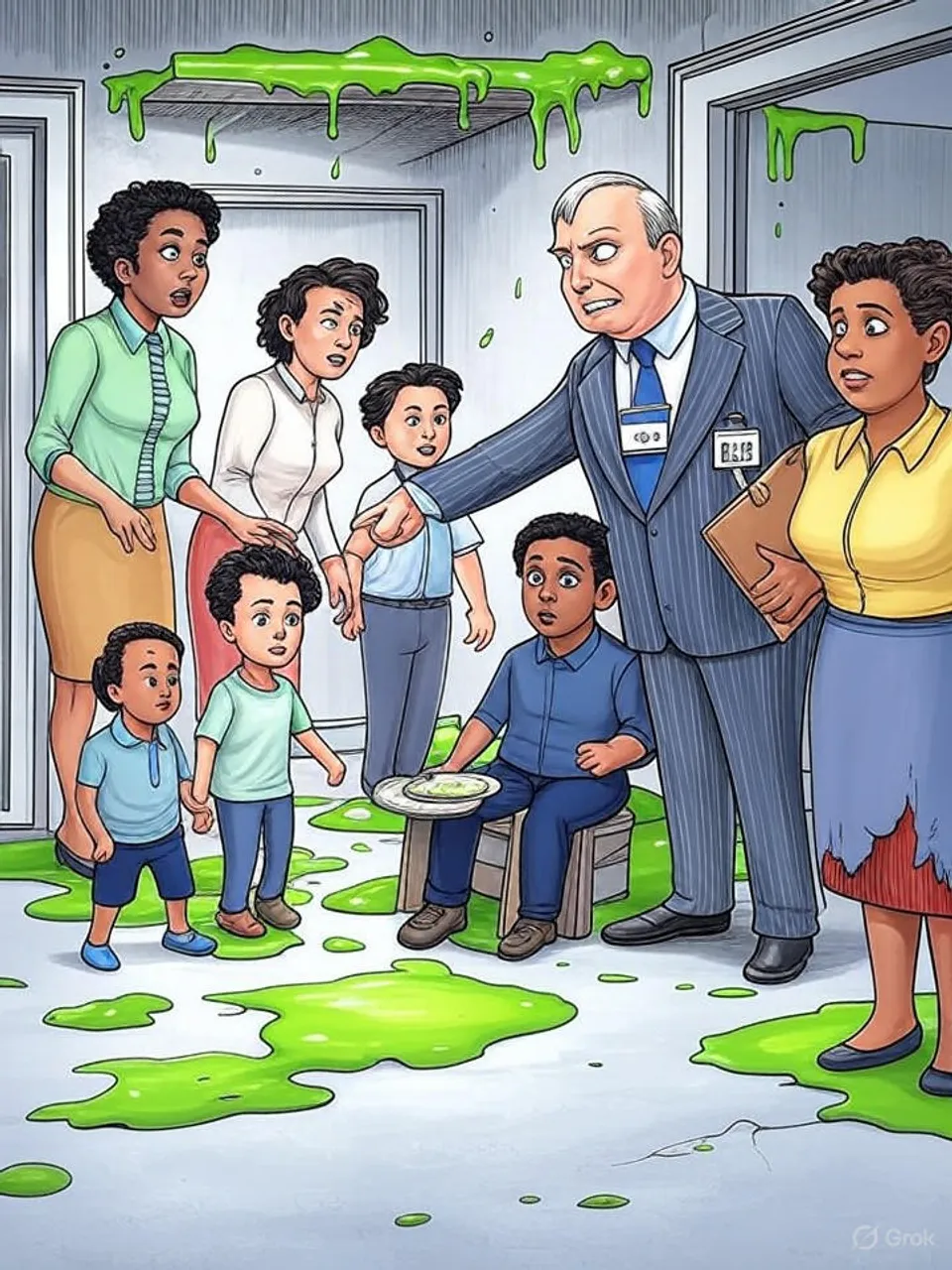
Four collapses in one L&Q flat prompt UN alert on habitability failures
UN experts cite London's largest housing association for systematic neglect after a family's decade of ceiling crashes, mould, and ignored harassment. Ombudsman fines confirm decline, but redress lags far behind damage.
Commentary Based On
the Guardian
UN experts raise concerns over homes rented out by English social landlord
UN experts alerted the UK government to systematic failures by L&Q, London’s largest housing association. They highlighted a disabled tenant’s family enduring four ceiling collapses, years without electricity, and health-damaging damp in their east London flat. This exposes a gap between social housing mandates and reality.
Sanjay Ramburn moved into the Forest Gate property in 2013 with his wife and three children.
Water leaked from the kitchen ceiling, collapsing half in one incident. Repairs took four years. Full replacement in 2017 triggered a bathroom ceiling fall.
The living room ceiling crashed in November 2023, injuring Ramburn, his son, and youngest daughter.
Children suffered breathing problems, tinnitus, and skin issues from mould.
Ramburn developed severe anxiety after L&Q ignored reports of racial harassment and antisocial behaviour from upstairs neighbours.
Ombudsman Confirms Decline
The housing ombudsman investigated L&Q in 2023.
It ordered £142,000 compensation across residents for a “prolonged period of decline” in services.
Ramburn rejected L&Q’s £2,271 offer as inadequate.
Temporary rehousing came in September: one small bedroom for five people in another L&Q property with potential maintenance flaws.
Landlord’s Framework Defence
L&Q manages over 100,000 homes as London’s biggest association.
Executive director Matt Foreman expressed regret and cited the regulatory complaints framework.
The group claims dedicated teams handle antisocial behaviour and offers area accommodation for repairs.
No admission of systemic issues beyond this case.
Government Sympathy, Limited Action
The Ministry of Housing called the claims shocking and extended sympathy.
It referenced Awaab’s law, targeting damp and mould in social housing.
Enforcement details remain vague amid ongoing tenant complaints.
Patterns in Provider Failures
Social housing associations like L&Q absorbed stock after right-to-buy depleted council holdings.
They now control vast portfolios with less direct accountability than elected councils.
Ombudsman fines and UN letters recur, yet habitability standards erode.
Previous cases mirror this: damp-driven child deaths prompted Awaab’s law, but collapses persist.
Resident Burden Mounts
Ramburn emailed repeatedly and begged for fixes over a decade.
Health impacts sidelined productive life for a disabled family head.
Compensation trails damage, forcing reluctant moves to substandard alternatives.
Regulatory Impotence Exposed
UK frameworks promise redress, but delays amplify harm.
UN rapporteurs on housing flagged L&Q alongside other associations for failing habitability rights.
Government responses invoke laws without measurable outcomes.
This repeats in privatised sectors: water firms spill sewage despite fines; rail operators cut services amid subsidies.
Social landlords prioritise scale over standards, tenants pay with health and safety.
L&Q’s case reveals the core pathology of UK social housing: providers balloon in size, regulators issue slaps on wrists, and families live amid literal collapse. Decades of policy shifts—from council sales to association dominance—delivered neither affordability nor decency. Ordinary citizens inherit decaying homes while institutions defend procedures over people, accelerating the built environment’s decline.
Commentary based on UN experts raise concerns over homes rented out by English social landlord at the Guardian.