Covert Unit Ran Forty Years on Non-Threat Groups
The Special Demonstration Squad's closure exposed long-term resource misallocation and unaccounted operational abuses.
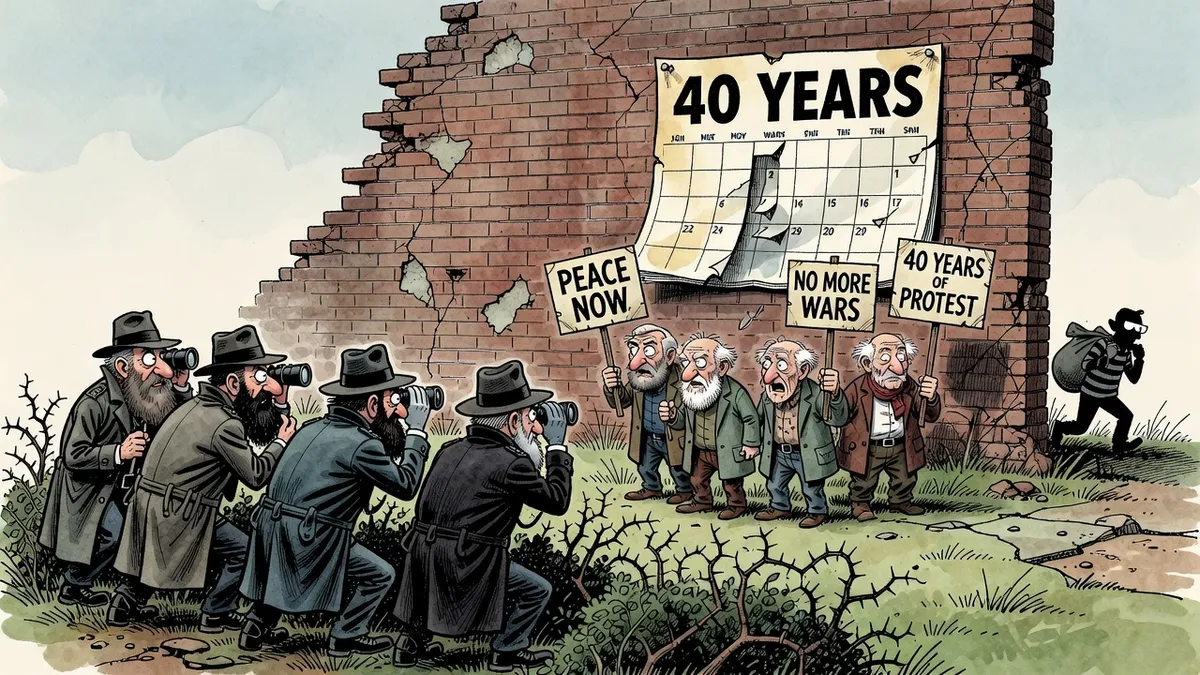
Boutcher review found SDS prioritised activists while terrorism capability stayed minimal
Scotland Yard maintained an undercover unit for four decades that prioritised monitoring of political activists over actual terrorist threats. Senior officer Jon Boutcher reviewed the Special Demonstration Squad and ordered its closure within months after determining the groups under surveillance posed no meaningful danger to public order or democracy.
Boutcher found the unit had directed almost no resources toward international terrorism at a time when such attacks were killing people in Britain. Instead, officers embedded in pro-Palestinian campaigns, environmental protests, the Socialist Workers Party and anti-racism groups. The discrepancy left limited capacity to infiltrate organisations that presented genuine risks.
The same unit systematically violated the people it targeted. Officers entered long-term sexual relationships with women without disclosing their identities. They also collected personal data on grieving families, including relatives of Jean Charles de Menezes, the Brazilian man shot dead by police in 2005. Boutcher described the resulting harm as incalculable.
Internal problems compounded the misdirection. Officers refused additional training, claimed large overtime payments and resisted any shift in focus. When Boutcher requested evidence of recent successes, the unit produced claims he later called embellished or fictional. Public funds allocated to the operation lacked proper accounting.
The SDS operated from 1968 until its abrupt disbandment under Boutcher’s direction. During that period, senior police ranks had once described it as a jewel in the crown. The unit’s final phase featured internal conflict and a siege mentality as it fought to preserve its role despite the absence of measurable results against priority threats.
This episode shows how security institutions can sustain expansive covert powers with minimal external correction. Resources intended for public protection were absorbed by internal priorities and political monitoring that continued across multiple decades and governments. The pattern of delayed scrutiny followed by quiet closure without individual consequences has repeated in other areas of state activity.
Commentary based on Undercover police unit closed down over unjustified surveillance, spycops inquiry told at the Guardian.
← Back to commentary