England's Drought Deepens as Leakage Claims One in Five Litres
With 19 percent of supplied water lost to leaks, England faces prolonged drought risks into 2027 despite calls for accelerated repairs and demand management.
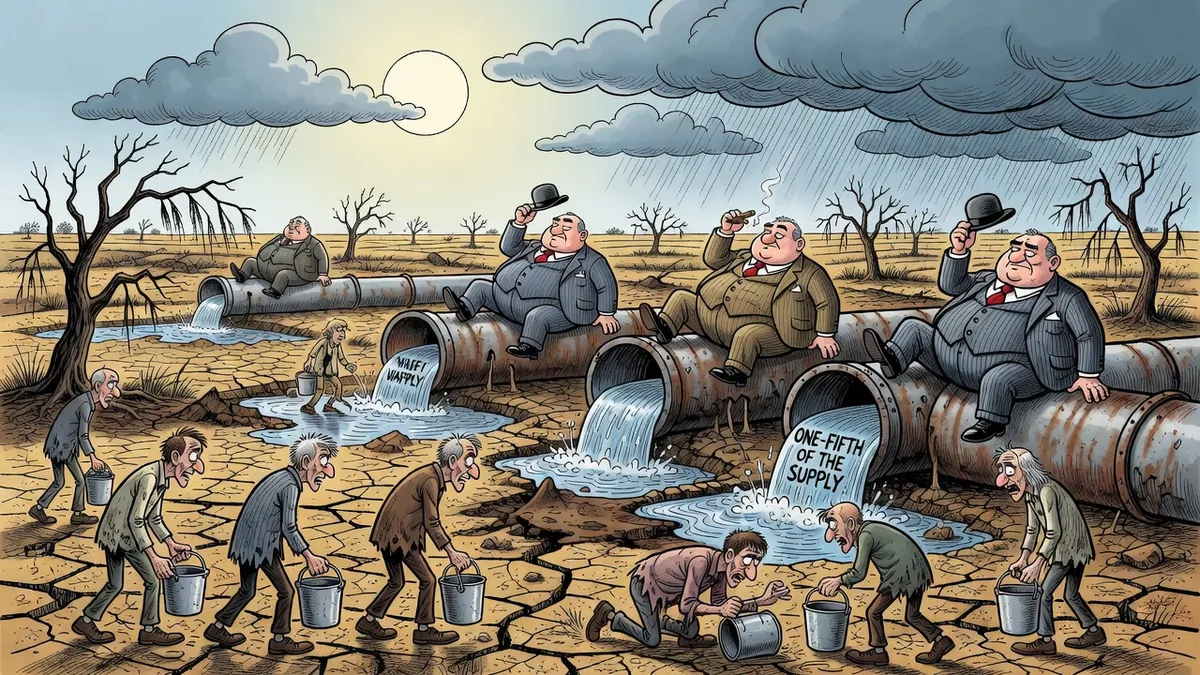
One in Five Litres Wasted as England Faces Prolonged Drought
England still needs 120 percent of average rainfall over the next five months to exit drought status by spring. The National Drought Group issued this threshold after an exceptionally dry spring and summer combined with heatwaves left supplies vulnerable. Regions including Devon, Cornwall and East Anglia face the highest risk of conditions carrying into 2027.
Water companies received instructions to accelerate leak repairs and demand management. The directive followed regular meetings of the group that includes the Met Office, regulators and ministers. Officials described the situation as stabilised yet serious.
An Environment Agency report placed leakage rates at around 19 percent of supplied water. This volume disappears before reaching customers. The figure has remained consistent despite previous commitments to reduction.
Water minister Emma Hardy stated that preparation for a 2027 drought now requires every available action on leaks and consumption. The statement acknowledges that weather cannot be controlled while infrastructure performance can. No new funding mechanisms or enforcement timelines accompanied the remarks.
Infrastructure Shortfalls
Nineteen percent losses represent a structural inefficiency built into the network over decades. Successive governments oversaw privatisation and regulation that produced high dividends for operators alongside persistent leakage. Current orders to speed up repairs arrive after the rainfall deficit has already materialised.
Demand management measures rest with the same companies that have recorded stable loss rates for years. Without binding targets tied to penalties or investment requirements, the response remains advisory. Historical patterns show similar calls during prior dry periods produced limited lasting change.
Recurring Pattern
The drought stems from measurable weather events, yet the system’s capacity to absorb them depends on prior maintenance. England has experienced comparable shortfalls under multiple administrations. Each episode triggers temporary coordination groups and public statements rather than sustained capital programmes.
Ordinary households now face potential restrictions while the underlying loss rate continues. The gap between stated resilience goals and delivered performance widens with each cycle. Data on leakage shows no structural break from earlier decades.
This episode demonstrates how basic utility systems operate under accumulated underinvestment. Reactive instructions replace earlier preventive upgrades, leaving supply security dependent on rainfall percentages that cannot be guaranteed.
Commentary based on Water companies told to act over fears drought will extend into next year at V2 Radio.
← Back to commentary