aviation
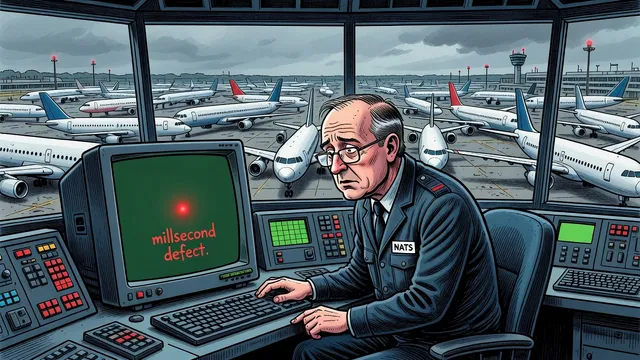
Millisecond Defect Grounds UK Flights for Days
A single software corruption in the National Airspace System triggered nationwide restrictions and multi-day passenger disruption.
Facts first. Parties second.
19 articles
aviation
A single software corruption in the National Airspace System triggered nationwide restrictions and multi-day passenger disruption.
London
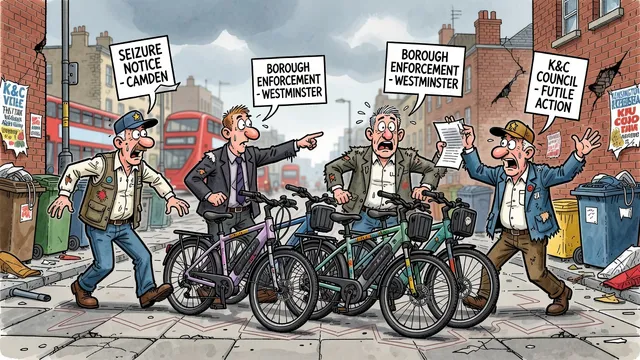
Seizure data shows private rental growth outrunning regulatory capacity, with vulnerable pedestrians bearing the direct costs.
housing
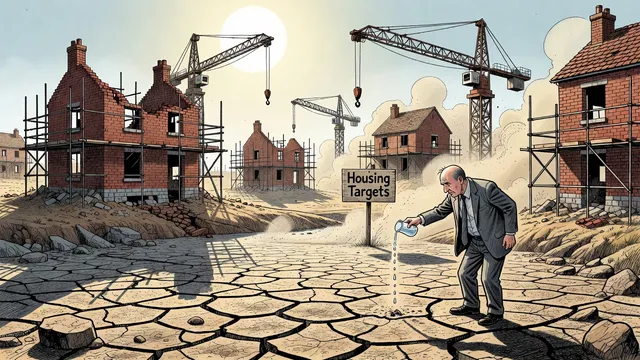
Water shortages and missing infrastructure prevent delivery of government housing quotas in the south and east of England.
science funding
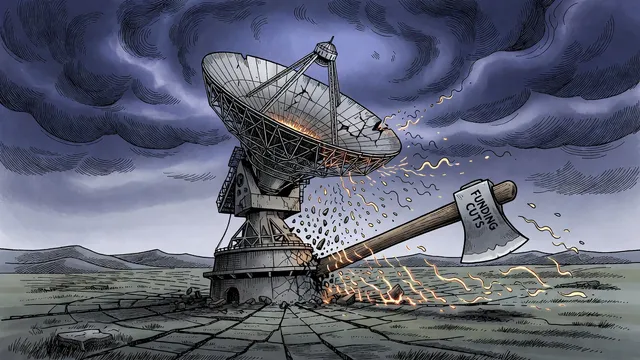
The agency prioritises future projects while terminating a working national facility and its training role.
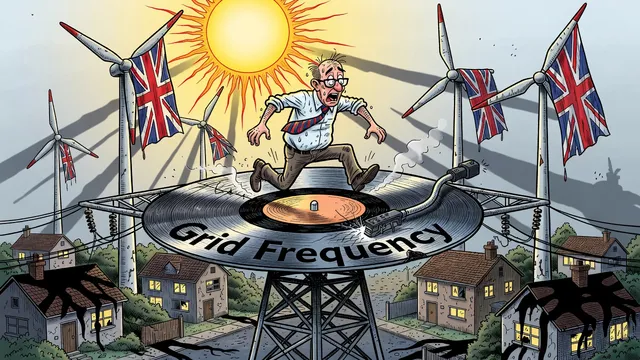
energy grid
Whistleblower claims of suppressed notes coincide with prolonged frequency deviations and interconnector breaches during June heat.
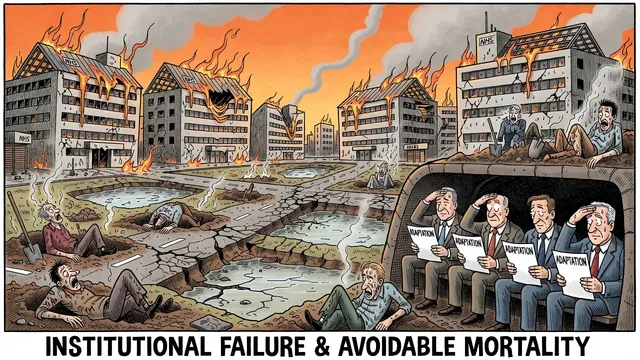
heatwaves
UK systems lacked capacity to handle two heatwaves, producing thousands of deaths and emergency water measures.
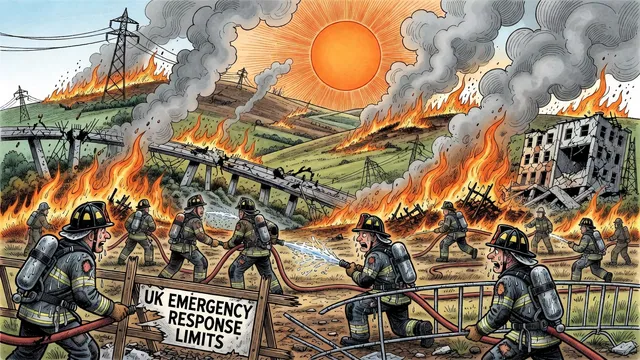
wildfires
Prolonged heat since May produced evacuations in Wales and the Peak District plus highest Fire Severity Index levels in southern England without structural service reserves.
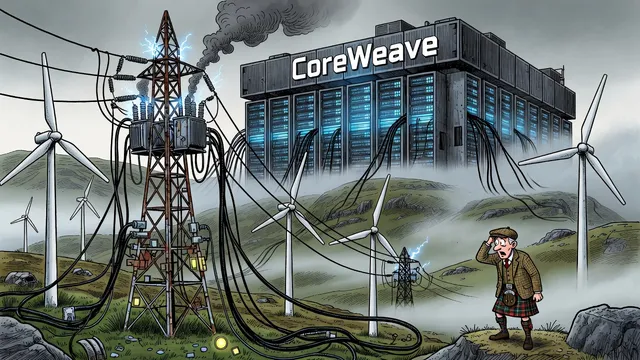
infrastructure
Power constraints in North Lanarkshire undermine claims of renewable self-sufficiency for Europe’s largest planned AI data centre.
private equity
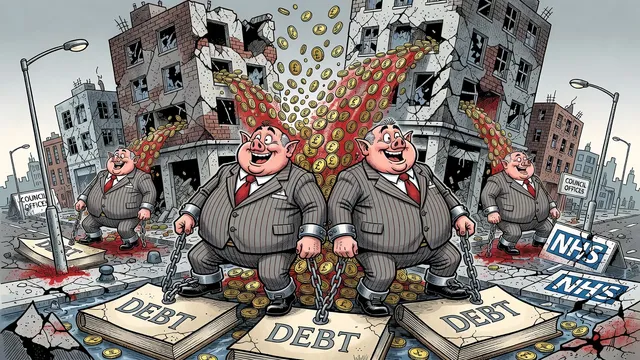
Analysis of procurement data shows high-leverage firms now deliver transport, care and NHS services under structures that prioritise investor returns over operational resilience.
manufacturing
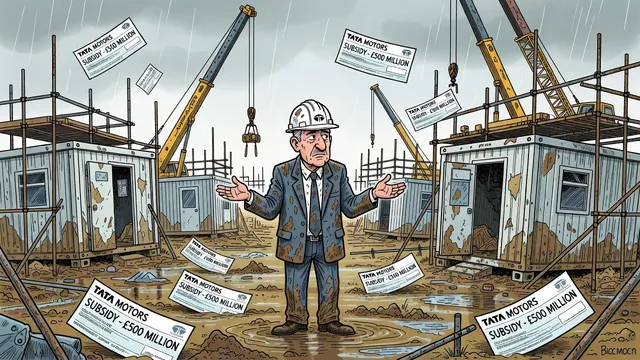
Budget overruns and repeated contractor exits push the Tata gigafactory past its third revised start date.
infrastructure
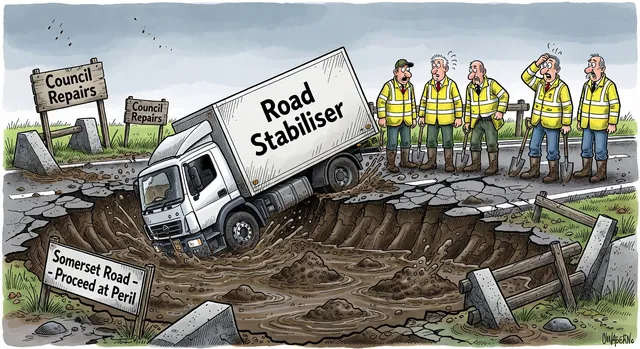
A stabilisation firm's truck sinks on a Somerset road it arrived to fix, exposing peat vulnerabilities, chronic underfunding, and institutional shortcuts in UK highway maintenance.

Infrastructure
Government review pushes Leeds-Bradford trams eight years amid cost risks, repeating 2005 Supertram axing and bus flop. Cross-party failures lock regions in transit limbo, inflating bills without delivery.
Water Industry
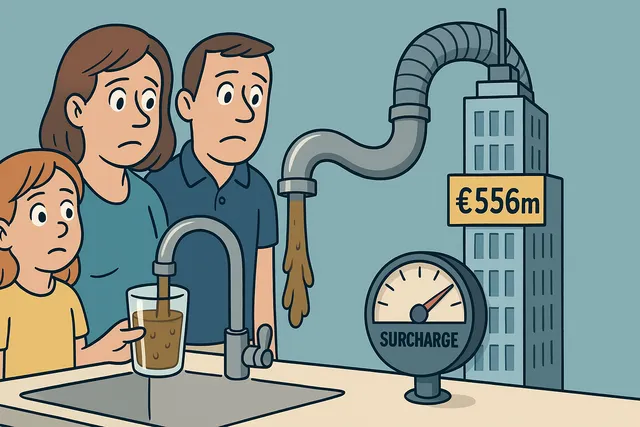
Five English water companies have successfully argued for higher bills to cover infrastructure failures they were supposed to maintain. The Competition and Markets Authority approved an additional £556 million in charges, on top of already planned 36% increases over five years. This comes as serious pollution incidents by water firms jumped 60% in a single year, highlighting a troubling pattern of privatized monopolies profiting from public goods while failing to deliver essential services.
Water Crisis
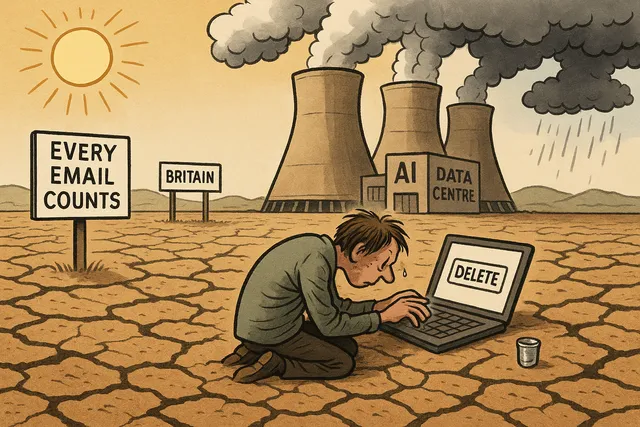
While the Environment Agency asks Britons to delete old emails to save water, the government plans a threefold increase in AI data center capacity, consuming billions of litres annually. This contradiction highlights the systemic failures of British governance, where performative individual actions replace real infrastructure solutions.
Net Zero
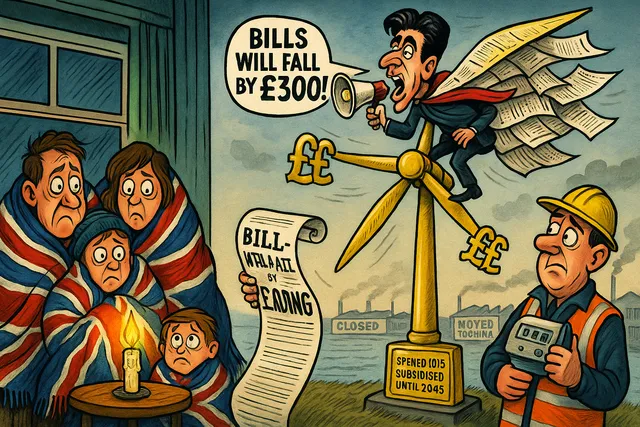
Ed Miliband's promise of cheaper electricity by 2030 clashes with the reality of soaring energy costs. The UK's net zero strategy, once hailed as a model for the world, is now a cautionary tale of political ambition outpacing engineering reality. As households face bills 20% higher than European neighbours, the question remains: who will pay the price for this green dream turned nightmare?
Water Crisis
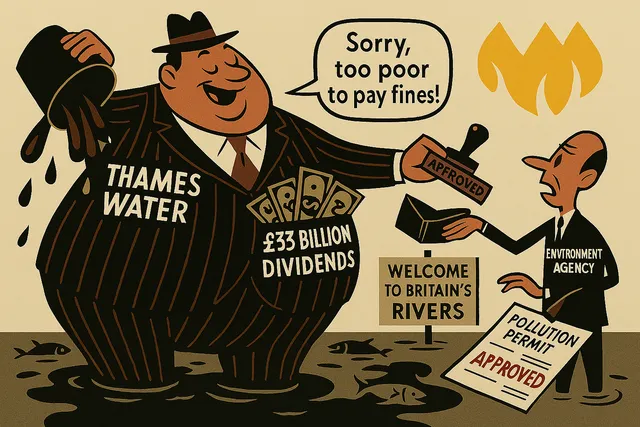
English water companies dumped raw sewage into rivers and seas at record-breaking levels in 2024, with serious pollution incidents surging 60% in a single year. While politicians promised a crackdown on water pollution, the reality is stark: 75 serious incidents poisoned waterways last year, up from 47 in 2023.
Net Zero
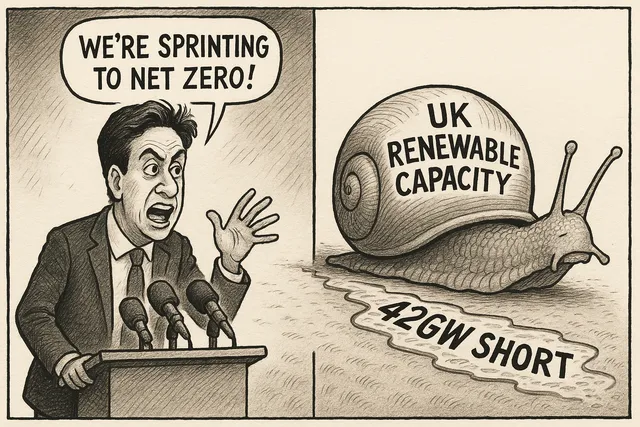
While Ed Miliband claims to be "sprinting to clean power by 2030," his own government's energy system operator quietly admits Britain will produce almost a third more carbon emissions than needed to meet legally binding climate targets. The gap between ministerial rhetoric and measurable reality has become a chasm.
Politics
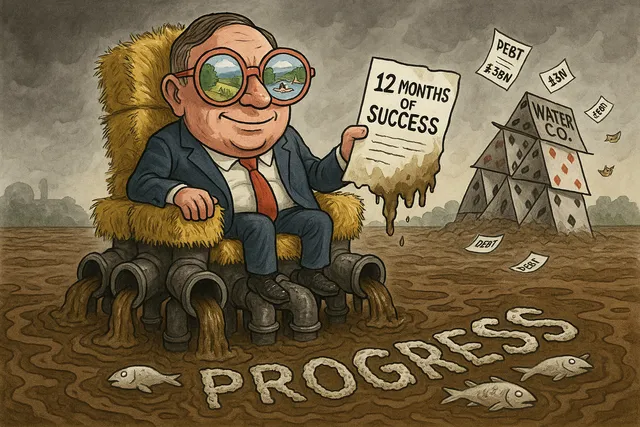
Steve Reed's appearance at Hertfordshire's Groundswell festival reveals the extraordinary disconnect between Labour's self-congratulation and Britain's accelerating institutional decay. While the Environment Secretary proclaimed "significant progress" from his hay bale podium, the nation's waterways continue to poison swimmers and Thames Water edges toward a collapse that will cost taxpayers billions.
HS2
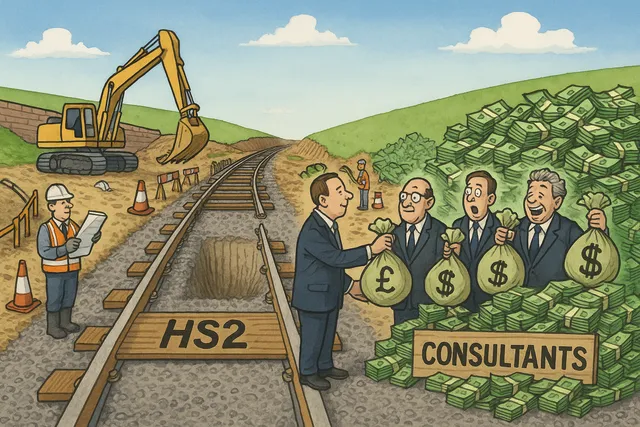
HS2 was supposed to cost £20 billion in 2012. It will now cost over £100 billion and won't open until at least 2035. The first trains were meant to run in 2026. That target became 2033. Now Transport Secretary Heidi Alexander admits there is "no reasonable way" to meet even that revised deadline.