Fireworks Ignite Youth Clashes in Birmingham's Heart
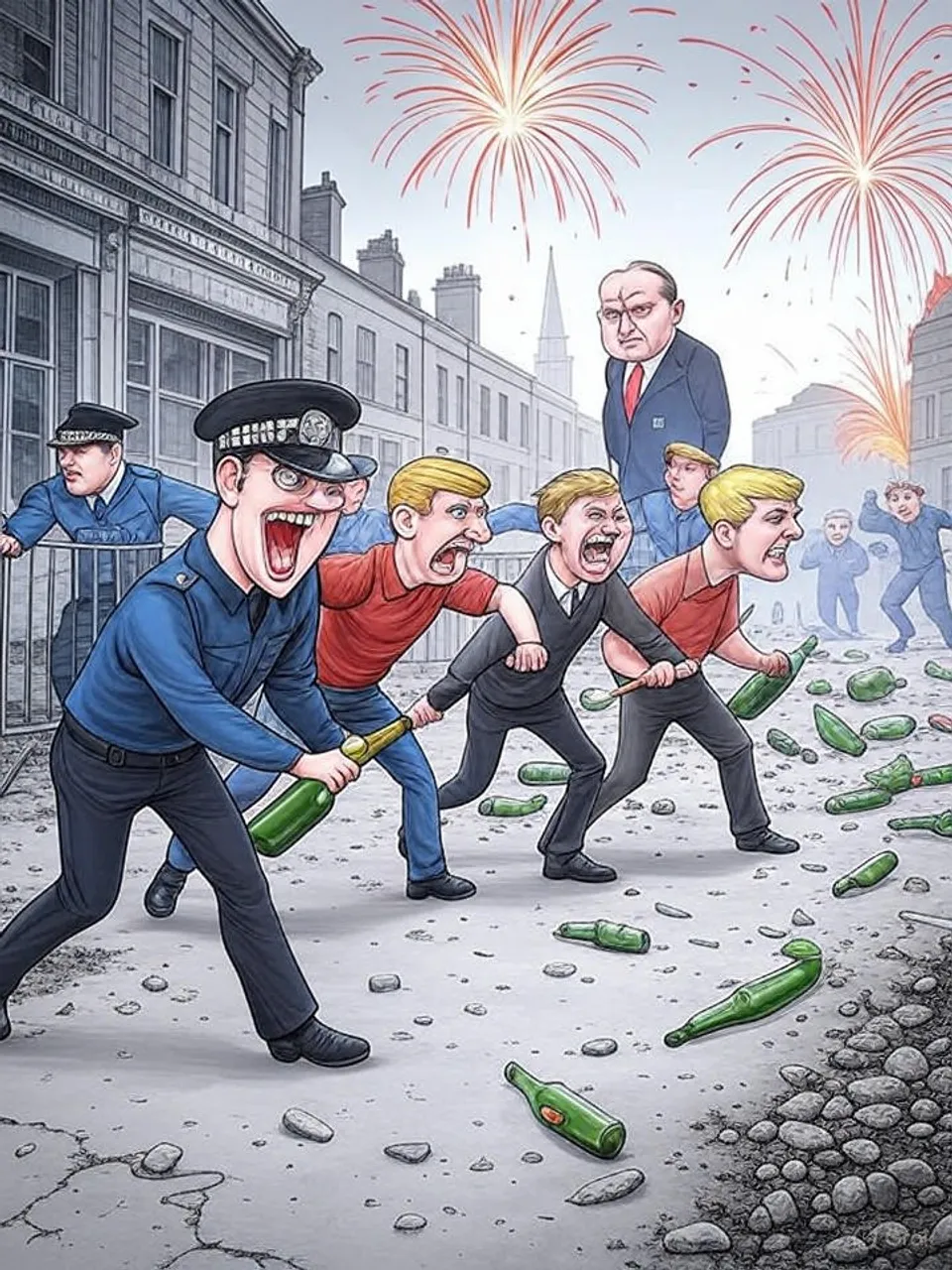
Hundreds of masked teens target police near student housing, extending chaos past dawn
Overnight riots in Birmingham saw youths hurl fireworks at officers and residents, exposing failures in youth support and policing amid seasonal unrest. This incident highlights persistent social breakdowns that strain emergency services nationwide.
Commentary Based On
GB News
'Violent disorder' erupts in Birmingham as mobs of rioting youths hurl fireworks at police
West Midlands Police described the overnight clashes as “violent disorder,” with four teenage boys arrested in the Dale End area for hurling fireworks at officers and members of the public. Weapons were seized, and a Section 60 order enabled suspicionless stop-and-search powers until Thursday morning. Yet footage showed hundreds of masked youths rampaging unchecked into the early hours on Staniforth Street, firing flares at police vans, cars, and each other near a student housing block.
This incident unfolded around Staniforth House, a 586-room accommodation for university students priced at £139 per week. The building’s proximity to the chaos underscores how urban density amplifies risks for ordinary residents and transient populations alike. Police Inspector Matthew Minton claimed “robust plans” were in place for Bonfire Night, but live-streamed videos captured officers arriving late to dispersed crowds, with fireworks still detonating amid fleeing groups.
Arrests totaled four in Birmingham, with no serious injuries reported. The force’s statement emphasized that such behavior “will not be tolerated,” echoing standard post-event rhetoric. In practice, the disorder persisted past midnight, spilling from underpasses to car parks, revealing gaps in real-time containment.
A parallel event in Liverpool that same night saw a 14-year-old arrested after youths targeted firefighters and police with fireworks during a balcony blaze in Knowsley Heights. Five fire engines responded to the flames, only to face attacks that injured a female officer’s leg. Merseyside Police’s Chief Inspector Kevin Chatterton called it “disgraceful,” yet the incident highlights a national pattern where emergency services absorb risks without deterring repeat offenses.
These clashes tie into broader youth unrest tied to Bonfire Night, but the scale—hundreds involved, masked and mobile—points to organized defiance rather than isolated pranks. Social media amplified the events, with videos showing crowds crowding roads lined by flats, turning residential zones into battlegrounds. Official accounts omit how economic pressures and eroded community structures fuel such gatherings, where young people exploit seasonal cover for confrontation.
Policing resources strain under these pressures. West Midlands Police deployed vans and officers reactively, but the Section 60 order’s temporary nature limits long-term impact. Across the UK, similar orders have proliferated since 2023, yet youth violence metrics show no sustained drop; Home Office data logs over 50,000 knife and offensive weapon offenses annually, with fireworks adding a volatile layer during festivals.
Institutional responses repeat across administrations. Labour councils in Birmingham and Conservative-led national policies both pledge youth intervention programs, yet funding for preventive services has fallen 20% in real terms since 2010. This leaves police as the frontline absorber of fallout, with arrest rates failing to address root drivers like deprivation in areas like Dale End, where child poverty exceeds 40%.
The Birmingham events expose how seasonal spikes mask chronic social fractures. Youths, often from nearby deprived wards, channel frustration into public spectacles that test state authority. Without investment in alternatives—sports, mentoring, or safe spaces—these nights become proxies for deeper grievances, eroding public safety one flare at a time.
Such disorder reveals the UK’s unraveling social fabric, where youthful rebellion meets institutional exhaustion. Governments of all stripes promise order but deliver reactive policing amid cuts to youth services. Ordinary citizens, from students to firefighters, bear the immediate costs, while systemic neglect ensures the cycle endures.
Commentary based on 'Violent disorder' erupts in Birmingham as mobs of rioting youths hurl fireworks at police at GB News.