Forty-Three Forces Feed The National Machine
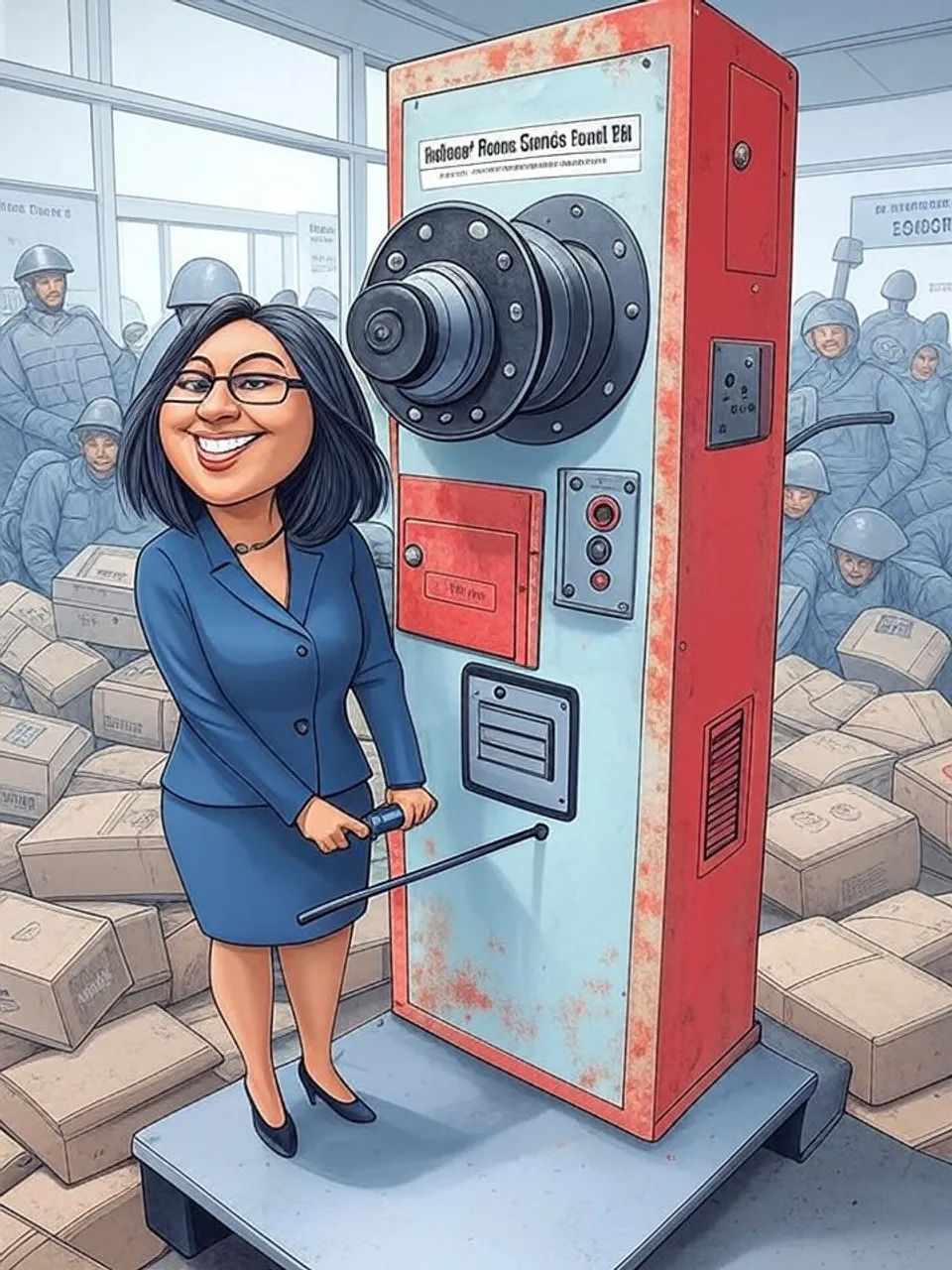
Shabana Mahmood's 'British FBI' absorbs failing locals amid unproven tech and targets
Home Secretary Shabana Mahmood centralises 43 underperforming police forces into a National Police Service, repeating structural fixes that ignore frontline failures and historical inertia. Outcomes point to uniform decline, not reform.
Commentary Based On
Sky News
National Police Service: New 'British FBI' to fight serious crime and help local police tackle everyday offences
The Home Secretary announces the National Police Service (NPS) for England and Wales. It absorbs the National Crime Agency, counter-terrorism policing, organised crime units, helicopters, and road policing. No start date accompanies the plan.
Local forces now gain breathing room for shoplifting, drug dealing, and anti-social behaviour. Mahmood claims this addresses skills and resource gaps in fighting fraud, online child abuse, and gangs. Yet 43 forces already face central scrutiny for poor performance.
Facial recognition rolls out nationwide. London’s Met Police made 1,700 arrests in two years using the tech. Central purchasing standardises equipment across forces.
A national police commissioner emerges as the country’s top officer. The NPS sets training standards and professional norms. Local forces receive published targets on 999 response times, victim satisfaction, and public trust, with graded comparisons.
This marks the largest policing reform in 200 years. Mahmood deems the current model obsolete, built for a bygone era. The Home Office promises uniform service nationwide.
Centralisation Repeats Itself
UK governments centralised policing before. The 2011 Police Reform and Social Responsibility Act created elected commissioners to oversee forces. Outcomes stayed flat: crime response times lengthened, charge rates fell.
Article 3 documented Mahmood’s prior move: targets and potential mergers for all 43 forces. Now the NPS layers another level. Structural tweaks persist across Labour and Conservative tenures.
Past fixes ignored frontline realities. Perverse incentives rewarded paperwork over arrests. Non-crime hate incidents logged 133,000 entries since 2014, diverting resources from burglary and violence.
Tech Promises, Proven Gaps
Facial recognition arrests sound decisive. Met data claims 1,700 suspects in two years. Yet conviction rates for serious crimes hover below 10% nationally.
Tech centralisation assumes procurement efficiency. Defence awarded Palantir £240 million without bids. Police budgets strained under graffiti removal (£11 million yearly in London) and theft surges.
World-class talent recruitment lacks detail. NHS regulators struck off nurses for social media posts amid staffing crises. Policing faces similar ideological filters.
Local Forces Hollowed Out
Everyday offences burden communities. Shoplifting prosecutions collapsed under prior governments. Phone theft and anti-social behaviour rose unchecked.
NPS frees locals for these tasks. But central command pulls specialists away. Counter-terror and organised crime units vanish into the national pot.
Targets aim for accountability. Published grades compare forces. History shows metrics game the system: response times manipulated, satisfaction surveys skewed.
Victim satisfaction metrics rose under manipulated reporting. Public trust polls declined anyway. Grading enforces compliance, not competence.
Systemic Paralysis Exposed
Policing decline spans decades. Crime surged 200% on trains since 2015. Twelve-year-olds referred to welfare for rape in Scotland.
Governments abdicate to regulators and structures. Article 17 detailed layers blocking action. NPS adds to the pile.
Costs remain unstated. Taxpayers funded £104 million for unusable Dartmoor Prison. No-bid contracts multiply.
Functional governance demands devolved power with teeth. Local forces need funding, not oversight. National threats require coordination, not absorption.
This NPS entrenches failure. Forty-three forces feed a central machine that delivers uniform mediocrity. Britain’s policing, like its institutions, declines through repeated, ineffective centralisation—regardless of the party in charge.
Commentary based on National Police Service: New 'British FBI' to fight serious crime and help local police tackle everyday offences at Sky News.