Four Days Guarding One Teenager
Police Scotland's 14,500 monthly mental health calls expose vanished alternatives
Police Scotland attends 14,500 mental health incidents monthly, losing 80% frontline capacity to health gaps. Initiatives save hours but leave cops as default carers amid broken NHS links.
Police Scotland logs 14,500 mental health call-outs each month. Senior officers call this unsustainable despite a 6% drop over two years. Frontline teams fill voids left by collapsed health and social services.
Policing’s core role targets threat, harm, and risk. Mental health crises demand listening and support, not handcuffs. Assistant Chief Constable Catriona Paton states officers stay until alternatives appear—alternatives that rarely materialise.
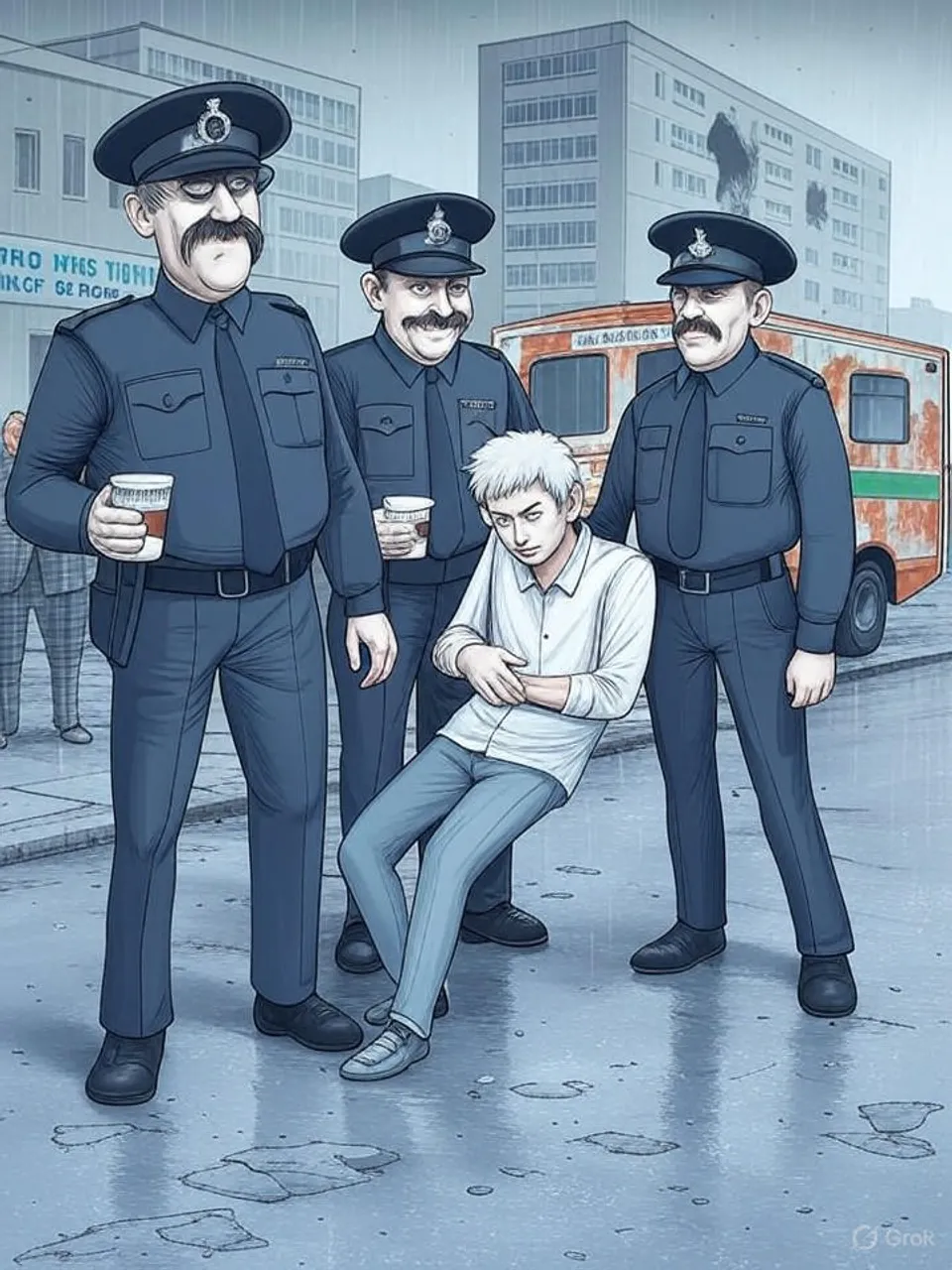
One case sums up the strain. Scottish Police Federation reports officers guarded a teenager for four days in Dunoon. Local services vanished; the girl travelled 150 miles for care elsewhere.
Frontline capacity drains away. Federation chair David Threadgold says police lose 80% of their ability to police. Healthcare links stay broken or absent, forcing cops into care roles nationwide.
Initiatives offer slim relief. A 2023 mental health pathway diverted 9,000 calls to NHS24, saving 47,000 officer hours. Clinician triage cut some emergency trips; 2,300 officers learned distress brief interventions.
Partial Fixes, Persistent Pressure
These steps trimmed demand but left core problems untouched. Incidents hit 174,000 yearly, diverting resources from crime response. Three-quarters of police calls involve no crimes, per prior data.
Charities step in where state fails. Scottish Action for Mental Health opened Glasgow’s Nook drop-in, serving 900 since October. Police refer cases there, admitting they lack skills for wellbeing talks.
Government responses ring hollow. Justice Secretary Angela Constance praises the 6% drop and pathway results. She pledges partnerships with health boards and councils for “more improvements”—echoing unfulfilled vows since 2023 warnings.
Scotland’s setup exposes national rot. SNP governance since 2007 expanded mental health claims amid NHS waits. Police absorb surges as hospitals buckle, mirroring England’s ambulance delays and A&E chaos.
Demand outpaces supply across public services. Working-age disability claims hit record highs UK-wide, fuelling mental health calls. Police, like GPs and ambulances, become default catchers for systemic breakdowns.
Recurring Across Borders
This pattern ignores party lines. Labour in Westminster faces identical NHS strains; Tories before them cut police numbers then begged forces to plug welfare gaps. Devolution multiplies the mess without fixes.
Officers train as signposters, not specialists. Custody cells and A&E queues serve as stopgaps. Citizens in crisis wait on handcuffed help, while burglaries and violence go unchecked.
Accountability evaporates. No minister resigns over four-day detentions. Funds flow to pathways and hubs, yet frontline officers log relentless pressure.
The unsustainable becomes routine. Police Scotland vows eternal response to public calls. That commitment masks service capture by unchecked demand.
Scotland’s police welfare state reveals Britain’s core fracture. Governments of all stripes promise health reforms while core policing erodes. Ordinary citizens face delayed justice and indifferent care, as institutions prioritise survival over function.
Commentary based on Police Scotland warn mental health call-outs are 'unsustainable' at BBC News.