Four Percent Grip Tightens on a Divided Policy Table
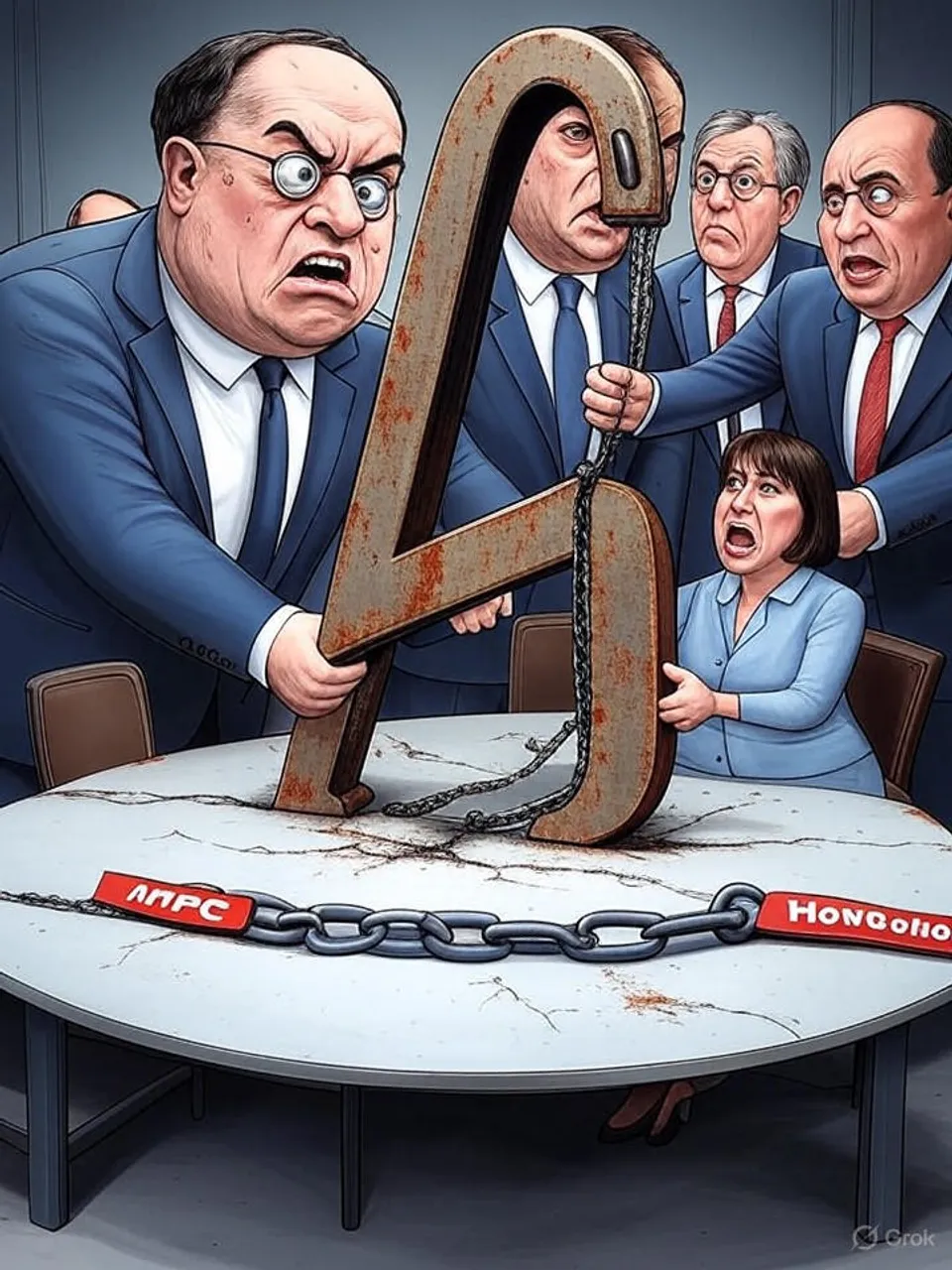
Inflation peaks at 3.8%, but a 5-4 vote delays cuts amid Budget shadows
The Bank of England's narrow decision to hold rates at 4% reveals internal rifts and fiscal uncertainties, prolonging high borrowing costs for households despite easing inflation. This cautionary stance highlights persistent economic vulnerabilities across political cycles.
The Bank of England clings to 4% interest rates even as inflation eases to 3.8%, a level still double its 2% target. Policymakers cite a peaked inflation trajectory, yet a razor-thin 5-4 vote reveals deep divisions on whether to cut now or risk further erosion of household finances. This hesitation underscores a central bank prioritizing caution over relief, leaving millions of borrowers exposed to unchanged borrowing costs.
Inflation has not vanished; it merely stabilized at 3.8% in September, below forecasts but far from subdued. The Bank judges this as the peak, with projections showing a drop to near 3% early next year and toward 2% thereafter. Yet risks persist, as Governor Andrew Bailey emphasizes the need for more evidence before easing, a stance that echoes the 11% surge in 2022 and a brief return to target levels last year before renewed rises driven by food and energy.
The decision lands amid fiscal turbulence. With Chancellor Rachel Reeves preparing a 26 November Budget, speculation swirls around tax hikes to address public finance gaps. Bailey sidesteps commentary on these moves, insisting the Bank responds only to announced policies, but the timing amplifies uncertainty for markets and households alike.
Political finger-pointing fills the void. Shadow Chancellor Mel Stride blames Reeves for high inflation, dubbing it the G7’s worst due to her “jobs tax” and borrowing. Reeves counters by touting five prior rate cuts under Labour that lowered costs, while vowing Budget choices to cut waiting lists, debt, and living expenses—pledges that strain against her openness to breaking manifesto commitments on taxes.
Mortgage holders on fixed deals feel indirect ripples. While tracker and variable rate payers see no immediate shift, lenders already price in a potential December cut by trimming fixed-rate offers. This preemptive adjustment hints at relief, but savings rates may dip in tandem, squeezing those reliant on interest income.
The Monetary Policy Committee’s fracture exposes institutional fault lines. Bailey and four colleagues, including hawkish external members Catherine Mann and Megan Greene, voted to hold amid concerns over persistent wage and price pressures. Dissenters like Sarah Breeden and Swati Dhingra argue rates lag the economy’s cooling, with slack building and disinflation advancing—positions that could tip the balance next month.
This pattern of prolonged high rates traces back across governments. Post-2008, the Bank slashed rates to near zero, fueling asset booms but also inequality; the 2022 inflation spike forced aggressive hikes, now testing public endurance. Conservative and Labour administrations alike have leaned on central bank independence, yet fiscal missteps—from energy subsidies to unchecked spending—have repeatedly destabilized price stability.
Ordinary citizens bear the brunt. Homeowners renewing mortgages face averages around 4.5% on two-year fixes, per recent lender data, while renters absorb landlord pass-throughs. Savers earn modest returns, but with inflation eroding real purchasing power at 3.8%, net wealth stagnates for the bottom half of households, widening the gap from pre-pandemic norms.
Systemic inertia compounds the issue. The Bank’s mandate demands 2% inflation, yet it has hovered above target for most of the past decade, reflecting global shocks but also domestic policy lapses in supply chains and labor markets. Cross-party neglect of productivity—stuck below 2008 levels—ensures inflation fights recur, as structural rigidities in wages and energy dependence persist unchecked.
Bailey’s “wait and see” approach, while data-driven, delays tangible relief. A December cut now appears probable, but the Bank’s gradualism risks overshooting into recessionary slack, as warned by MPC member Alan Taylor. This conservative tilt prioritizes inflation control over growth, a choice that historically favors creditors over debtors in an economy where household debt exceeds 130% of income.
The hold at 4% exposes Britain’s economic fragility: inflation tamed but not conquered, institutions reactive rather than resilient. Governments rotate blame, yet the cycle endures—high rates entrench cost-of-living pressures, erode savings, and stifle investment. This is not mere adjustment; it is the slow bleed of a system that promises stability but delivers prolonged strain on working families.
Commentary based on Bank of England holds interest rates at 4% at BBC News.